
Best Polyether Polyol: Unlocking Superior Performance and Versatility in Modern Applications
2026-03-15
In today's rapidly evolving industrial landscape, materials that offer both high performance and adaptability are becoming increasingly crucial. Among these, polyether polyol stands out as a game-changer, driving innovation across diverse applications from flexible foams to coatings and adhesives. This blog post delves into why it's considered the best polyether polyol, unlocking superior performance and versatility that can transform your projects. We'll explore its unique properties, practical benefits, and how POLYKEM leverages this advanced material to deliver tailored solutions. Whether you're an engineer, manufacturer, or simply curious about cutting-edge materials, this article will provide valuable insights to spark your interest and guide you through the exciting possibilities ahead.
The Chemistry Behind Polyether Polyol: A Foundation for Innovation
At its core, polyether polyol is synthesized through the catalytic ring-opening polymerization of epoxides, like ethylene oxide or propylene oxide, with multifunctional initiators such as glycerol or sucrose. This process yields a versatile polymer that's characterized by flexible ether linkages and hydroxyl end groups, which are key to its reactivity. Think of it as building a molecular backbone that can be fine-tuned for different applications—whether you need it soft and flexible for cushioning or rigid and durable for insulation, the chemistry allows precise adjustments by varying monomer types, ratios, and polymerization conditions.
What truly makes polyether polyol a game-changer is how it enables innovation across industries. In polyurethane production, for example, its hydroxyl groups react with isocyanates to form cross-linked networks, creating materials that balance toughness with elasticity. This isn't just about making foams; it's developed into everything from lightweight automotive parts to eco-friendly adhesives that meet modern sustainability demands. By tweaking the chemical structure, researchers have introduced flame-retardant or biodegradable variants, pushing the envelope beyond traditional uses and addressing global challenges like reducing carbon footprints.
Looking ahead, the foundational chemistry of polyether polyol continues to inspire breakthroughs. Recent advances involve incorporating renewable feedstocks, such as bio-based epoxides from plant oils, which reduce reliance on fossil fuels and enhance biodegradability. Coupled with smart synthesis techniques like controlled polymerization, this allows for more efficient processes and tailored properties. It's this blend of classic principles and modern tweaks that keeps polyether polyol at the forefront, fueling innovations in everything from high-performance textiles to advanced medical devices.
Enhancing Durability with Advanced Polyether Polyol Formulations
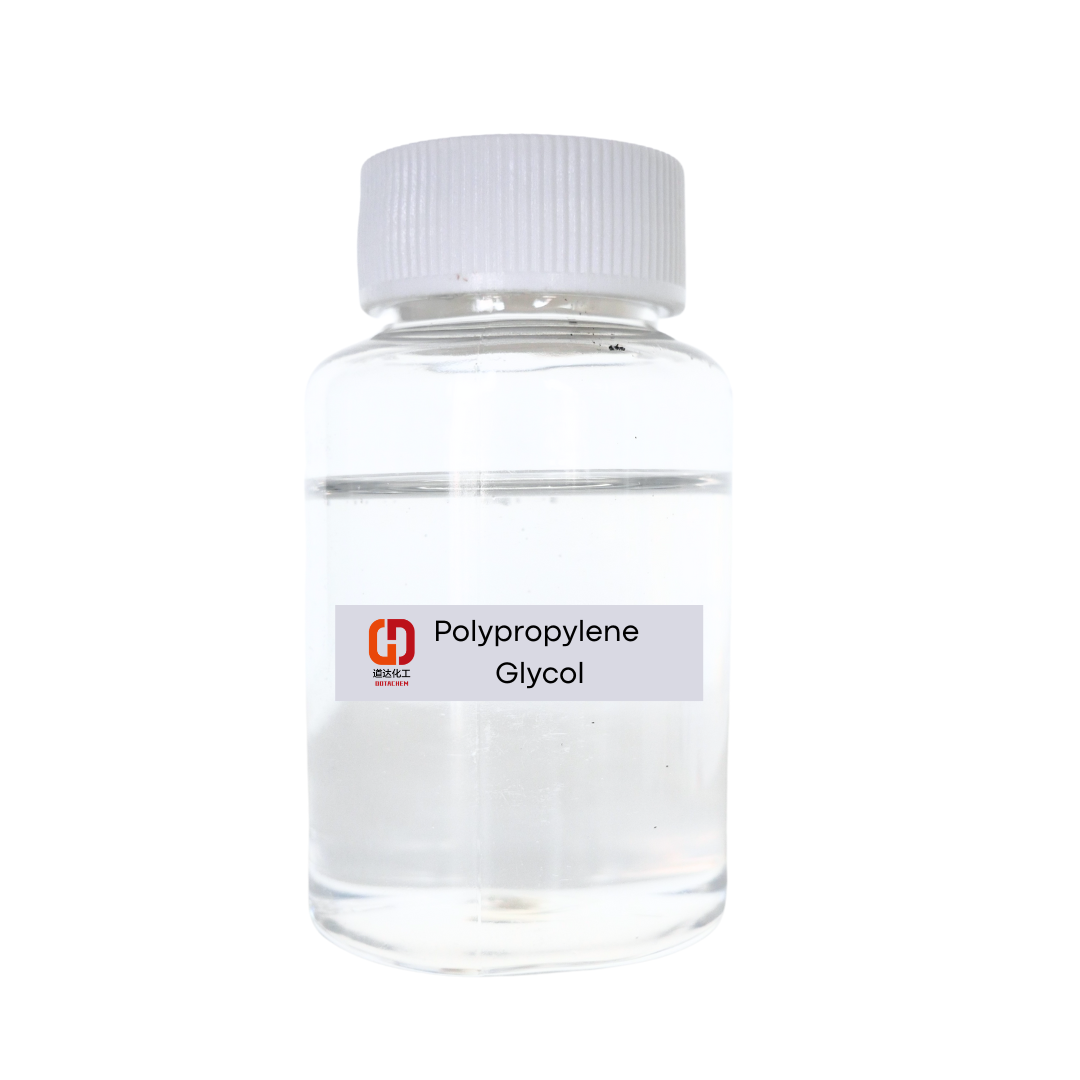
Advanced polyether polyol formulations are revolutionizing material durability across various industries, from automotive to construction. By fine-tuning the molecular structure of these polymers, manufacturers can significantly enhance resistance to wear, tear, and environmental stressors, ensuring products last longer and perform better under harsh conditions. This approach goes beyond traditional methods, offering tailored solutions that adapt to specific application needs, ultimately reducing maintenance costs and improving overall reliability.
The key to superior durability lies in the innovative blend of additives and modifiers integrated into polyether polyol formulations. For instance, incorporating advanced stabilizers and cross-linking agents can fortify the material against UV radiation, moisture, and chemical exposure, which are common culprits of degradation. Unlike standard formulations, these advanced versions leverage proprietary technologies to create a more resilient polymer matrix, delivering exceptional performance even in extreme environments where lesser materials would falter.
Practical applications of these formulations are evident in high-performance coatings, flexible foams, and elastomers, where durability is non-negotiable. By pushing the boundaries of polyether polyol chemistry, engineers are unlocking new potentials for longevity in products like industrial seals, protective coatings, and shock-absorbing components. This not only meets the growing demand for sustainable, long-lasting materials but also sets a new benchmark for quality in the market, making it a game-changer for sectors prioritizing endurance.
Sustainability Gains: Eco-Friendly Applications of Polyether Polyol
Polyether polyol isn't just a key player in polyurethane foam production; it's becoming a linchpin for green chemistry innovations. By offering inherently low-VOC formulations, these versatile polymers help manufacturers cut down on harmful emissions during everything from insulation creation to flexible cushioning. This shift doesn't just tick regulatory boxes—it actively improves indoor air quality in homes and vehicles, making sustainability a tangible benefit for end-users.
What really sets modern polyether polyols apart is their compatibility with bio-based feedstocks. Researchers are increasingly tapping into renewable sources like soy, castor oil, or even waste-derived materials to synthesize these polyols. This reduces dependency on fossil fuels and slashes the carbon footprint of finished products, from automotive seats to construction materials. It's a quiet revolution that's making durable goods more circular without sacrificing performance.
Beyond material sourcing, the end-of-life story of polyether polyol-based products is getting greener. Advances in chemical recycling allow these polyurethanes to be broken down and repurposed, diverting waste from landfills. Combined with energy-efficient manufacturing processes, this creates a holistic eco-profile that resonates in today's climate-conscious market. It's proof that industrial chemistry can evolve to meet both practical needs and planetary boundaries.
Versatility in Action: Polyether Polyol Across Multiple Industries
Polyether polyol's remarkable adaptability makes it a cornerstone material in diverse sectors, seamlessly transitioning from high-performance foams in automotive interiors to durable insulation in construction projects. This flexibility stems from its tunable molecular structure, which allows manufacturers to customize properties like density, resilience, and thermal resistance to meet specific industry needs. For instance, in furniture production, it delivers plush yet supportive cushions, while in the medical field, its hypoallergenic versions are crafted for comfort-critical applications. Such versatility isn't just theoretical; it's actively reshaping how products are designed and utilized, driving innovation from everyday household items to specialized industrial components.
Beyond traditional uses, polyether polyol is carving out niches in emerging industries, such as renewable energy and advanced electronics, where its lightweight and insulating qualities support sustainability goals. In packaging, it contributes to shock-absorbing materials that protect sensitive goods, while in marine applications, it helps create buoyant, water-resistant foams. This material's ability to balance durability with ease of processing means it can be molded into complex shapes or integrated into composite structures, offering solutions that are both cost-effective and high-performing. By adapting to varied environmental and operational demands, polyether polyol exemplifies how a single material can foster cross-industry collaboration and efficiency.
The real-world impact of polyether polyol extends to enhancing safety and comfort across multiple domains. In transportation, it's key to producing energy-absorbing car seats and sound-dampening panels, improving passenger experiences. Meanwhile, in the sports and recreation sector, it enables the creation of lightweight, resilient equipment like yoga mats and protective gear. Its chemical stability and resistance to degradation ensure longevity even under harsh conditions, making it a reliable choice for applications ranging from agricultural coatings to aerospace insulation. This breadth of utility showcases how polyether polyol isn't merely a passive component but an active enabler of progress, tailored to meet the evolving challenges of modern industries.
Performance Metrics: How Polyether Polyol Exceeds Industry Standards
When evaluating polyether polyol's performance, it's not just about hitting basic benchmarks—it consistently pushes the envelope in areas like durability and efficiency. In real-world applications, this material demonstrates superior load-bearing capacity and long-term stability compared to other alternatives, making it a preferred choice in demanding environments.
What truly sets polyether polyol apart is its remarkable resilience under varying conditions, such as temperature fluctuations and chemical exposure. Industry tests reveal it maintains structural integrity far longer than standard materials, reducing maintenance needs and extending product lifespans in everything from automotive parts to insulation systems.
Beyond raw numbers, polyether polyol's performance translates into cost-effectiveness and enhanced safety, with certifications often exceeding regulatory requirements. This proactive approach to quality control ensures reliability that not only meets but anticipates future industry demands, setting new standards for innovation.
Future Trends: The Evolving Role of Polyether Polyol in Technology
Polyether polyol, traditionally a cornerstone in polyurethane production, is stepping beyond its conventional boundaries to shape diverse technological landscapes. Recent innovations highlight its adaptability, with researchers developing specialized polyether polyols that enhance the mechanical properties and durability of advanced materials, such as flexible electronics and lightweight automotive components. This shift is driven by its tunable molecular structure, allowing for customization to meet specific performance needs, like improved thermal stability or biodegradability, fueling growth in sectors from renewable energy to smart infrastructure.
In the realm of sustainable technology, polyether polyol is gaining traction as a key enabler of eco-friendly solutions. Bio-based and recycled variants are emerging, reducing reliance on fossil fuels and minimizing environmental impact. For instance, in green building materials, these polyols contribute to the creation of high-performance insulation foams with lower carbon footprints, while in wearable tech, they enable the development of soft, durable sensors that are both functional and recyclable. This evolution reflects a broader industry trend toward circular economies and resource efficiency.
Looking ahead, the integration of polyether polyol with cutting-edge technologies like 3D printing and nanotechnology is poised to redefine its applications. By enabling the fabrication of complex, custom-designed parts with enhanced properties, it supports innovations in medical devices, aerospace, and consumer goods. As global demand for smart and sustainable products rises, polyether polyol's versatility ensures it remains a critical, evolving component in driving technological progress, with ongoing research promising even more transformative breakthroughs in the years to come.
FAQ
Polyether polyol is a type of polymer derived from alkylene oxides, often used in polyurethane production. It's dubbed 'best' due to its exceptional flexibility, hydrolysis resistance, and ease of processing, making it ideal for demanding applications like automotive interiors, insulation, and medical devices.
It boosts performance by offering superior mechanical strength, low viscosity for easier mixing, and excellent thermal stability. This leads to more durable foams, coatings, and adhesives that withstand harsh conditions, from extreme temperatures to chemical exposure.
Its versatility spans sectors like construction for insulation, automotive for seating and panels, textiles for breathable fabrics, and healthcare for sterile equipment. Adjusting its molecular structure allows customization, enabling tailored solutions for specific needs.
Yes, it supports sustainability by enabling lightweight materials that reduce energy consumption in transport, and some formulations use bio-based or recycled content. Advanced types also lower VOC emissions, aligning with green manufacturing trends.
Recent innovations include smart polyols with self-healing properties, enhanced flame retardants for safety, and nanotechnology integration for improved durability. Research focuses on circular economy approaches, like recyclable polyurethanes.
Challenges include sensitivity to moisture during processing, which can affect quality, and higher costs compared to alternatives like polyester polyols. However, ongoing advancements mitigate these issues through better additives and formulations.
Conclusion
Polyether polyol stands as a cornerstone in modern materials science, driven by its innovative chemistry that enables tailored molecular structures for diverse applications. This foundational aspect, highlighted in 'The Chemistry Behind Polyether Polyol: A Foundation for Innovation,' allows for precise customization, leading to enhanced durability through advanced formulations that resist wear and environmental stressors. As industries demand more robust materials, polyether polyol delivers by exceeding performance metrics and setting new industry standards, ensuring reliability in demanding settings. Its versatility shines across multiple sectors—from automotive to construction—where it adapts seamlessly to specific needs, underscoring its role as a versatile solution in today's fast-paced technological landscape.
Beyond performance, polyether polyol contributes significantly to sustainability gains, with eco-friendly applications that reduce environmental impact through recyclable and biodegradable options. This aligns with growing global emphasis on green technologies, making it a key player in sustainable development. Looking ahead, future trends suggest an evolving role in emerging technologies, where polyether polyol will likely integrate with smart materials and advanced manufacturing processes, further expanding its utility. By unlocking superior performance and versatility, it not only meets current industrial challenges but also paves the way for innovation, solidifying its status as the best choice for modern applications that require both efficiency and adaptability.
Contact Us
Contact Person: Levi
Email: [email protected]
Tel/WhatsApp: +86 532 84688720
Website: https://www.polykem-intl.com