
Chemical Industry Conferences in Asia: Essential Guide to Top Events and Trends
2026-09-20
Asia’s chemical industry doesn’t wait for anyone. New plant announcements, bio-based material pushes, and carbon-capture pilot projects are stacking up so fast that even seasoned buyers and suppliers can lose track. That’s why the right conference is more than a calendar entry—it’s a pressure test for what’s real and what’s hype. In this guide, we’ve mapped the Asian events worth your time and the trends that will dominate the next 18 months. From specialty chemical pricing to cross-border partnerships, these are the rooms where decisions get made. And when you’re ready to move from notes to action, ICIF puts you in front of the people who actually build Asia’s chemical future.
Bangkok’s Quiet Rise as the Region’s Dealmaking Hub
For years, Singapore and Hong Kong hogged the spotlight as Southeast Asia’s go-to cities for closing big deals. But a quieter shift has been underway, and Bangkok is positioning itself as a serious contender. The Thai capital’s mix of lower operating costs, a growing pool of skilled advisors, and an increasingly flexible regulatory environment is drawing regional investors who once wouldn’t have looked beyond the usual financial centers.
What’s making Bangkok attractive isn’t just cost savings. Local law firms and consultancy groups have built deep networks across Cambodia, Laos, Myanmar, and Vietnam — the so-called CLMV markets — giving dealmakers a practical base for cross-border work. At the same time, Thai conglomerates are expanding aggressively into neighboring economies, and their deal flow is pulling in international banks and private equity firms that want to stay close to the action. The result is a self-reinforcing ecosystem: more transactions lead to more expertise, which in turn attracts bigger deals.
None of this has happened overnight, and Bangkok still lacks the deep capital markets of Singapore. But for mid-market mergers, joint ventures, and infrastructure plays, the city is no longer just a stopover. Dealmakers who once flew in for a quick signing are now setting up permanent teams, drawn by a combination of local insight, lower overheads, and a growing comfort with doing complex deals outside the traditional hubs.
Petrochemical Gluts and the Panels That Tiptoe Around Them
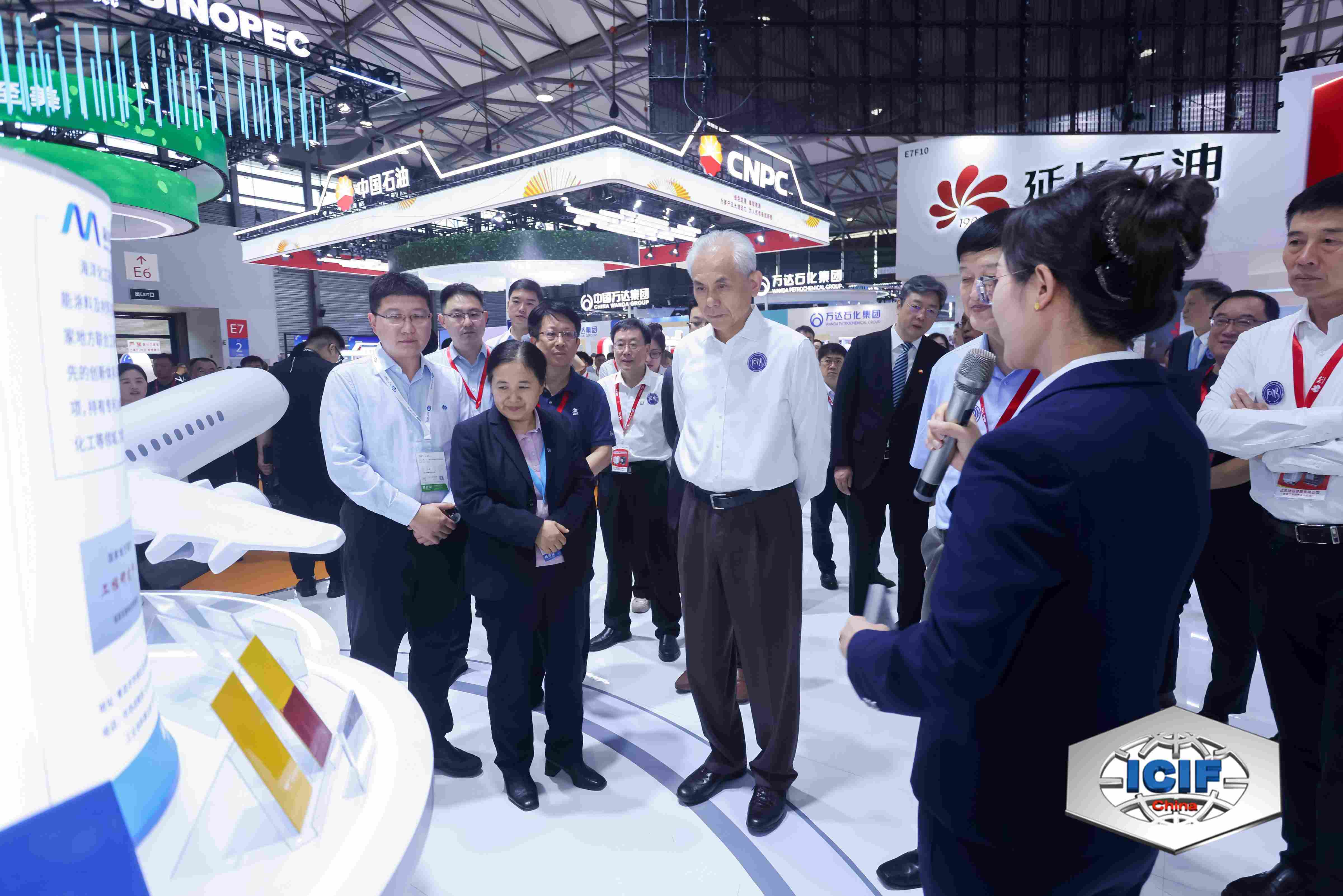
The petrochemical sector rarely makes headlines the way oil prices do, yet its influence seeps into every corner of modern life—from the plastics in our phones to the resins in our furniture. Over the past decade, a quiet buildup of capacity has turned into a full-blown glut, with ethylene and propylene stockpiles far outpacing demand. Industry analysts often speak in terms of “structural oversupply,” but what they tend to gloss over is how this imbalance distorts pricing, squeezes margins at older facilities, and forces unlikely shutdowns. The real story isn’t just in the numbers; it’s in the decisions made behind closed doors, where executives avoid mentioning the glut directly, instead framing cuts as “portfolio optimization” or “strategic realignment.”
Panels at industry conferences mirror this delicate dance. Sessions titled “Navigating the New Normal” or “Resilience in a Volatile Market” never quite name the elephant in the room—that the world simply built too much capacity, too fast, often lured by cheap feedstock and rosy demand forecasts. Speakers focus on circular economy initiatives, feedstock flexibility, or carbon capture, as if addressing the glut head-on would acknowledge a collective failure. What’s missing is any candid discussion of who bears the cost: smaller operators without integrated downstream chains, workers at plants running at reduced rates, and regions that bet heavily on petrochemical expansion as a development strategy. The tiptoeing is understandable—no one wants to spook investors—but it leaves the industry’s younger engineers and analysts with a distorted view of how markets actually clear.
The consequences extend beyond quarterly earnings. A prolonged glut accelerates consolidation, with larger players acquiring distressed assets at fractions of replacement cost, only to idle them or repurpose them for niche chemistries. Meanwhile, trade flows shift as exporters chase any market with even a temporary deficit, often flooding regions that were once self-sufficient. The panels, meanwhile, grow more vague. Breakout sessions on “value-chain integration” and “feedstock arbitrage” sound increasingly like euphemisms for survival tactics. A frank conversation about demand elasticity, inventory write-downs, or the role of speculative capacity additions would be far more useful—but such honesty is rarely rewarded on a stage built for optimism.
Specialty Chemicals Get Their Own Main Stage
Specialty chemicals finally have a platform that matches their influence. For years, these high-value formulations were tucked into the corners of broader chemical expos, forced to compete for attention with commodity plastics and bulk solvents. That changed when organizers carved out a dedicated stage, allowing the sector to showcase everything from advanced catalysts to custom surfactants without the noise of unrelated industries.
The shift isn't just cosmetic. Buyers can now walk a curated floor where every booth speaks their language—purity specs, batch consistency, regulatory nuance. Exhibitors report shorter qualification cycles and more productive meetings because attendees arrive with specific needs rather than casual curiosity. A specialty polymer producer might find a tailored stabilizer supplier two aisles over, while a fragrance house can compare encapsulation technologies side by side, something that rarely happened in the sprawling halls of the past.
This focused environment also pushes innovation to the surface. Niche players who once hesitated to spend on large-scale displays now see direct returns, since the audience is pre-filtered for relevance. The main stage has become a magnet for technical experts and procurement leads alike, turning what used to be a side note into the industry's most efficient deal-making zone.
The Pre-Conference Dinner Scene Is Where Forecasts Happen
There's a particular hum that builds in the hotel restaurant the night before the main stage opens. It's not the clinking of glasses or the murmur of small talk, though those are present too. It's the sound of people trading hunches over half-eaten desserts, sketching out scenarios on the backs of napkins, and quietly adjusting their mental models based on who just walked in and who avoided eye contact. The pre-conference dinner scene is where forecasts actually happen, before the polished slides and the rehearsed talking points take over.
By the time the second bottle of wine arrives, the cautious caveats start to slip. A product lead lets slip that their Q3 numbers are softer than the press release suggested. A venture capitalist leans in and says the firm is quietly pulling back from a sector they were publicly bullish on just a month ago. Someone else nods and mentions two startups they've heard are already missing payroll. None of this will make it into the official sessions, but it filters into every subsequent conversation, shaping what people expect from the days ahead.
What makes these dinners so predictive is the mix of looseness and proximity. People are tired enough to be honest, but still sharp enough to connect dots. They're also seated among peers who can quickly validate or challenge an offhand remark. A throwaway comment about a supply chain delay can turn into a shared realization that an entire industry's timeline is slipping. The formal conference is where decisions get announced; the dinner beforehand is where the direction of those decisions becomes clear to anyone paying attention.
Why Korean and Japanese Buyers Now Attend With Different Agendas
Korean and Japanese procurement teams walk the same aisles but rarely chase the same things. Korean buyers, pressed by domestic e-commerce speed and thin margins, are hunting for novelty they can launch within weeks—small-batch runs, quick-turn customization, and suppliers willing to share design risk. Their questions skew toward minimum order quantities, production lead times, and whether a factory can handle frequent style changes without stalling.
Japanese buyers, by contrast, arrive with longer horizons and deeper checklists. They are less interested in speed than in consistency—material traceability, defect rates, packaging durability, and the supplier's history of on-time delivery. A Korean buyer might leave with samples and a one-page quote; a Japanese buyer is more likely to request a factory audit, third-party testing data, and a trial order that won't scale for six months. The result is that suppliers who treat both groups the same often underwhelm one side while over-qualifying for the other.
This split has become sharper as Korean brands push private-label and viral product cycles, while Japanese importers double down on long-term partnerships and seasonal planning. Understanding why each delegation attends with a different agenda isn't just about cultural nuance—it changes which products you put in front of them, how you price, and what kind of follow-up actually moves the deal forward.
What to Ignore on the Official Program
Not every session earns its slot. Vendor-led demos disguised as thought leadership, panels stacked with people from the same company, and anything labeled a 'fireside chat' with no clear takeaway should be crossed off first. If the description leans on vague promises like 'explore the future' or 'unlock potential,' it usually means the presenter hasn't nailed down a concrete point.
The same goes for sessions that are really just extended sales pitches. Watch for language that circles around a product or platform without naming the problem it solves for you. If the speaker's bio reads like a marketing page and the agenda has no room for audience questions, you can probably get the same information from a website later.
Finally, don't let FOMO drag you into back-to-back keynotes from out-of-touch celebrities or executives repeating last year's talking points. A packed schedule is not a badge of honor. The real value often sits in the smaller, unpolished sessions where people argue, ask hard questions, and leave with something they didn't know they needed.
FAQ
Chinaplas remains the heavyweight for materials and processing equipment, while Chemspec Asia attracts fine and specialty chemical producers. The Asia Petrochemical Industry Conference (APIC) draws senior executives from major olefin and polymer players, and India's chemical sector has its own flagship events like the India Chem summit.
Decarbonization, bio-based feedstocks, and plastic recycling technologies now take center stage. There is also a strong focus on shifting supply chains toward Southeast Asia and India, plus digital tools for plant optimization and predictive maintenance.
Absolutely. Many events offer dedicated matchmaking sessions, technology licensing showcases, and smaller breakout tracks that suit firms looking for partners or niche technologies without the scale of a major petrochemical complex.
Study the exhibitor list and floor plan in advance, book meetings before you arrive, and skip the main aisles during peak hours. The real value often lies in technical seminars and smaller networking lounges rather than the crowded exhibition floor.
Asian chemical conferences tend to emphasize relationship building through long dinners, hosted receptions, and informal matchmaking. Government and industry association leaders often attend, which gives direct insight into policy shifts and upcoming project approvals.
Chemspec Asia has been expanding its green and sustainable chemistry segment, and many country-specific events like India Chem and China's International Chemical Industry Fair now feature dedicated zones for bio-based materials, green solvents, and low-carbon processes.
Yes, increasingly so. Panels now bring in logistics providers, port authorities, and procurement heads to discuss alternative shipping routes, regional warehousing, and how to handle raw material price swings without locking in long-term risk.
Many organizers now run startup pitch sessions or innovation showcases. Even without a formal slot, approaching technology scouts from large chemical companies during breaks can lead to pilot project discussions, especially if your solution targets a hot area like recycling or emissions reduction.
Conclusion
Bangkok has quietly become the region's dealmaking hub, but the real action rarely happens in the main hall. Walk through any of the major chemical industry conferences in Asia and you'll notice a pattern: the official agenda is polished, diplomatic, and often misses the thorniest topics. Petrochemical gluts, for example, are only whispered about in side panels that tiptoe around overcapacity and margin collapse. The honest conversations unfold at pre-conference dinners, where forecasts are made over local whisky and seafood, not PowerPoint slides. Specialty chemicals now get their own main stage, which is a welcome shift, but the programming still leans heavily on buzzwords rather than balance sheets.
Korean and Japanese buyers arrive with visibly different agendas. The Koreans are scouting for distressed assets and quick capacity swaps, while the Japanese are more interested in long-term technology licensing and specialty niches. That split influences how side meetings are scheduled and why certain hospitality suites are busier than ever. As for the official program, the smart move is to ignore at least a third of it. The titled keynotes and ribbon-cutting panels are mostly theater. The real intelligence is in the corridors, the coffee queues, and the closed-door breakfasts where traders compare inventory levels. If you attend only the sessions, you'll leave with a lanyard full of business cards but no actual edge.
Contact Us
Contact Person: Shaozhen Zhou
Email: [email protected]
Tel/WhatsApp: 0086-18612117599
Website: https://en.icif.cn/