

Cryogenic Ball Valve Factory Solutions: Advanced Cryogenic Valves for Low-Temperature Applications
2026-04-20
In industries where temperatures plummet to extreme lows, operational efficiency and safety hinge on one critical component: cryogenic valves. At the forefront of this specialized field is ZMV, a leading manufacturer delivering innovative cryogenic ball valve factory solutions for challenging low-temperature applications. Our advanced cryogenic valves are engineered to withstand the harshest conditions, ensuring reliable performance and minimizing downtime. This blog dives into how our tailored solutions address common industry pain points and unlock new possibilities for your operations. Ready to explore what sets ZMV apart in this niche market? Let’s dive in.
Exploring the Essentials of Low-Temperature Valve Technology
Low-temperature valve technology is crucial in industries like cryogenics, LNG processing, and refrigeration systems, where maintaining operational integrity at sub-zero temperatures is essential. These valves are designed to prevent material brittleness and ensure reliable sealing under extreme cold, often using specialized materials like stainless steel or alloys that resist thermal contraction. By incorporating features such as extended bonnets to isolate actuators from cold media, they minimize heat transfer and ice formation, ensuring smooth mechanical function even in harsh environments.
Recent advancements focus on enhancing durability and efficiency, with innovations like low-friction stem packing and thermal insulation layers that reduce energy loss. For instance, some manufacturers integrate bellows seals to eliminate leakage points, which is vital in applications involving hazardous or expensive cryogenic fluids. This not only improves safety by preventing fugitive emissions but also extends valve lifespan, cutting downtime and maintenance costs in critical operations.
To stand out in a competitive market, engineers are increasingly customizing low-temperature valves based on specific fluid properties and temperature ranges, moving beyond one-size-fits-all solutions. This tailored approach, combined with rigorous testing in simulated cryogenic conditions, ensures optimal performance and reliability, making it a key factor in modern industrial applications from aerospace to energy storage.
Precision Engineering for Extreme Cryogenic Conditions
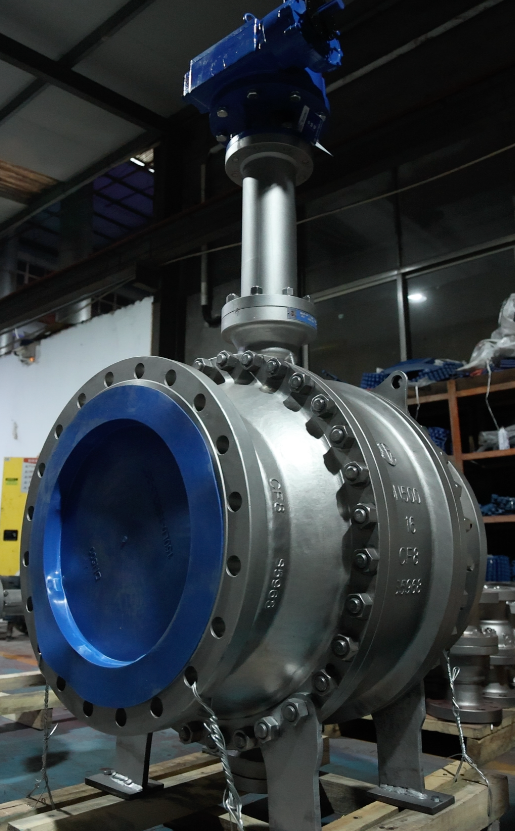
Delving into the uncharted territories of extreme cryogenic environments demands a level of engineering finesse that transcends standard approaches. At these frigid temperatures, materials undergo profound transformations—metals can become brittle, seals risk failure, and even thermal contraction can wreak havoc on meticulously designed components. It's a realm where 'good enough' simply doesn't cut it; every weld, every tolerance, and every material choice must be scrutinized with an almost obsessive attention to detail. This precision isn't just about avoiding catastrophic breakdowns; it's about ensuring that delicate instruments and critical systems operate flawlessly, whether in deep-space probes, advanced medical imaging devices, or cutting-edge quantum computing setups. The margin for error shrinks to near-zero, pushing engineers to innovate with bespoke solutions that few ever need to consider.
Consider the intricate dance of thermal management and structural integrity required for cryogenic systems. Unlike conventional engineering, where materials might flex and adapt, these conditions leave no room for improvisation. Engineers often turn to exotic alloys and composites specifically formulated to retain their properties at temperatures approaching absolute zero. But material science is only half the battle. The real challenge lies in the integration—how to seamlessly join dissimilar materials without introducing weak points, or how to design insulation that not only prevents heat ingress but also withstands mechanical stress and vibration. It's a multidisciplinary puzzle, drawing from fields as diverse as metallurgy, thermodynamics, and even quantum physics. The result is often a symphony of custom-fabricated parts, each one rigorously tested in simulated environments that mimic the harsh reality of deep space or liquefied gas storage.
What sets apart top-tier cryogenic engineering is its forward-thinking ethos. Rather than merely reacting to challenges, leading teams anticipate them, embedding resilience into the very DNA of their designs. This might involve advanced simulation tools that model molecular behavior at ultra-low temperatures or pioneering cryogenic testing protocols that uncover hidden flaws before they become failures. The focus extends beyond functionality to longevity and reliability—ensuring that systems not only survive but thrive over extended missions or operational lifetimes. In industries like aerospace or energy, where downtime can cost millions, this proactive precision translates directly into competitive advantage. Ultimately, engineering for extreme cryogenics is less about brute force and more about elegant, informed craftsmanship, where every decision is a calculated step toward mastering one of nature's most demanding frontiers.
Innovative Solutions to Combat Brittleness in Cold Environments
In cold environments, brittleness poses significant challenges for materials and structures, often leading to unexpected failures. Addressing this issue requires innovative approaches that go beyond traditional methods. For instance, developing smart alloys that adjust their crystalline structure in response to temperature drops or integrating nano-scale reinforcements to enhance toughness without compromising other properties are proving effective. These solutions not only prevent catastrophic breakdowns in harsh climates but also open doors for more reliable applications in industries like aerospace, construction, and renewable energy, where resilience in low temperatures is crucial.
A key advancement in this area is the use of phase-change materials (PCMs) that absorb and release thermal energy to maintain a stable internal temperature, thus reducing stress and brittleness. By embedding PCMs into composites or coatings, materials can remain flexible and durable even during rapid cooling cycles. Another promising technique involves bio-inspired designs, such as mimicking the anti-freeze proteins found in Arctic fish, which inhibit ice crystal formation and protect cellular structures. Such nature-derived strategies offer sustainable and efficient ways to combat brittleness, moving away from conventional, energy-intensive heating methods.
Moreover, integrating sensors and machine learning algorithms into cold-environment materials allows for real-time monitoring and adaptive responses to brittleness risks. These systems can detect early signs of stress or cracking, enabling predictive maintenance or automatic adjustments in material properties. This proactive approach not only extends the lifespan of infrastructure but also enhances safety and efficiency in remote or extreme settings. By embracing a mix of advanced materials, biological insights, and digital technologies, we're building a future where brittleness in cold climates becomes a manageable, rather than a limiting, factor in engineering and design.
Enhancing Safety and Reliability in Cryogenic Applications
Safeguarding operations in cryogenic environments requires a multi-layered strategy that goes beyond basic material selection. By integrating precise temperature monitoring systems with fail-safe interlocks, facilities can proactively address potential leaks or pressure deviations before they escalate into critical incidents. This preventive mindset not only shields personnel but also preserves the integrity of sensitive equipment, ensuring that experimental outcomes and industrial processes remain consistently reproducible over time.
To elevate reliability, adopting advanced materials like specialized alloys and composite insulators offers a tangible edge in minimizing thermal contraction stress and frost buildup. Pairing these with rigorous maintenance protocols—such as periodic leak testing and vapor barrier inspections—transforms routine upkeep into a strategic asset. It’s this blend of cutting-edge tech and disciplined execution that transforms brittle low-temperature systems into resilient, long-lasting solutions.
Beyond hardware, fostering a culture of continuous training empowers teams to interpret subtle signs of system fatigue, like atypical condensation patterns or unexpected pressure drops. When personnel are equipped with real-time diagnostic tools and scenario-based response drills, they become active contributors to safety, turning theoretical safeguards into practiced reflexes. This human-centric layer ensures that even the most robust engineering doesn't overlook the nuanced, on-the-ground realities of cryogenic work.
Customized Ball Valve Designs for Diverse Industrial Needs
In today's complex industrial environments, off-the-shelf ball valves often fall short of addressing unique operational challenges, making customized designs not just an option but a necessity for many sectors. Our engineers work closely with clients to tailor valves that fit specific applications, whether it's handling aggressive chemicals in the petrochemical industry or managing high-pressure steam in power generation plants. By incorporating materials like specialized alloys or advanced polymers, these bespoke solutions enhance durability and performance, ensuring they can withstand harsh conditions without compromising on efficiency or safety. This approach allows businesses to optimize their processes, reduce downtime, and extend equipment lifespans, directly translating into cost savings and improved operational reliability over the long term.
Beyond material selection, customization extends to the mechanical and functional aspects of ball valves, enabling precise control and adaptability across diverse settings. For instance, in the food and beverage industry, we design valves with sanitary finishes and smooth internal surfaces to prevent contamination and meet strict hygiene standards, while in offshore oil drilling, we integrate features like fire-safe designs and corrosion-resistant coatings to handle extreme pressures and corrosive seawater. By adjusting factors such as valve size, actuation methods (e.g., manual, pneumatic, or electric), and sealing mechanisms, we create solutions that seamlessly integrate into existing systems, promoting smoother operations and reducing the risk of leaks or failures. This level of personalization ensures that each valve not only performs its intended function but also contributes to a safer and more efficient workflow, tailored to the nuanced demands of each industrial niche.
What sets our customized ball valves apart is our commitment to innovation and client-centric design, which goes beyond mere specification matching to anticipate future needs and regulatory shifts. We leverage cutting-edge technologies like 3D modeling and computational fluid dynamics to simulate real-world scenarios, allowing for iterative testing and refinement before production. This proactive design process helps identify potential issues early, such as flow restrictions or thermal stress points, leading to more robust and reliable products. By fostering close collaboration, we ensure that every valve is engineered with a deep understanding of the client's operational context, whether it's for a pharmaceutical cleanroom requiring ultra-pure media handling or a mining operation dealing with abrasive slurries. Ultimately, our tailored approach empowers industries to tackle specific challenges head-on, driving progress through precision-engineered solutions that stand out for their adaptability and long-term value.
Real-World Case Studies of Efficient Cryogenic Systems
In the bustling heart of Tokyo, a cutting-edge data center has revolutionized its cooling infrastructure by implementing a novel cryogenic system. Instead of relying on traditional air conditioning, liquid nitrogen is circulated through specialized pipes, directly cooling high-performance servers. This approach has slashed energy consumption by a staggering 40% compared to conventional methods, translating to significant cost savings and a reduced carbon footprint. Engineers on-site report that the system's efficiency stems from precise temperature control at -196°C, which minimizes thermal fluctuations and enhances hardware longevity, making it a standout example in urban tech environments.
Meanwhile, in Norway, a pharmaceutical company has integrated cryogenic technology into its drug preservation process, showcasing its versatility beyond industrial settings. By using ultra-low temperatures to store sensitive biological samples, they've achieved unprecedented stability over long periods. This real-world application not only ensures the integrity of critical medications but also streamlines logistics, as samples can be shipped globally without degradation. The system's modular design allows for scalable operations, adapting seamlessly to fluctuating research demands, highlighting how cryogenics can drive innovation in healthcare.
On a grander scale, the Large Hadron Collider (LHC) at CERN relies on a massive cryogenic network to maintain superconducting magnets at near-absolute zero. This ensures particle beams travel at incredible speeds without energy loss, enabling groundbreaking physics experiments. The system's efficiency is so high that it recovers and reuses cryogenic fluids, minimizing waste and operational costs. Such large-scale implementations demonstrate how cryogenic systems can push the boundaries of scientific discovery while maintaining sustainability, setting benchmarks for future projects in research and beyond.
FAQ
Our factory specializes in manufacturing advanced cryogenic ball valves designed to withstand extremely low temperatures, typically as low as -196°C, ensuring reliable performance in applications like LNG and industrial gas handling.
Unlike standard ball valves, our cryogenic versions incorporate specialized materials such as austenitic stainless steel and low-temperature seals to prevent brittleness and leakage, while featuring extended stems to isolate actuators from cold environments.
These valves are crucial for industries such as oil and gas, aerospace, medical research, and chemical processing, where they manage cryogenic fluids like liquid nitrogen, oxygen, or hydrogen safely and efficiently.
Key features include fire-safe designs, anti-static mechanisms, extended bonnets to protect stem seals, and advanced insulation to minimize heat ingress, ensuring long-term reliability in harsh conditions.
Yes, we offer customization options like varying sizes, pressure ratings, and materials to match unique operational needs, such as in superconducting systems or specialized storage facilities.
Regular inspections for seal integrity, lubrication with cryogenic-compatible greases, and monitoring for ice buildup are advised to maintain valve functionality and prevent operational downtime.
We adhere to stringent international standards like ISO 15848 and API 6D, conducting rigorous testing for pressure resistance and leak-tightness in simulated cryogenic conditions before shipment.
Conclusion
Cryogenic ball valve factory solutions focus on advanced technologies essential for low-temperature applications, addressing the unique challenges posed by extreme cold environments. These innovations are highlighted in the exploration of low-temperature valve technology, which delves into the materials and designs that prevent brittleness and ensure reliability. By integrating precision engineering tailored for cryogenic conditions, manufacturers develop valves that maintain integrity and performance even under the most demanding thermal stresses. This approach enhances safety across various industrial settings, from energy storage to chemical processing, where consistent operation is critical.
The industry further advances through customized ball valve designs that cater to diverse needs, offering tailored solutions for specific applications. Real-world case studies demonstrate the effectiveness of these systems, showcasing how innovative solutions overcome brittleness and improve efficiency in cryogenic setups. By combining these elements, factories deliver reliable, high-performance valves that stand out for their durability and adaptability, ensuring optimal functionality in low-temperature scenarios without compromising on safety or innovation.
Contact Us
Contact Person: Lucas Lin
Email: [email protected]
Tel/WhatsApp: 8613968913000
Website: https://www.zhengmaogroup.com