

Cut Operational Costs with Mining Air Compressor Optimization
2026-08-08
Mining companies often overlook the silent profit killer lurking in their compressed air systems. With energy costs soaring, even small inefficiencies can add up to massive operational expenses. Smart air compressor optimization isn’t just maintenance—it’s a direct path to slashing overheads while boosting reliability. At Seize Air, we’ve helped operations worldwide turn their air supply into a competitive advantage. Here’s how the right approach can transform your bottom line.
Rethinking Air Compressor Efficiency in Underground Operations
Efficiency in underground air compression is often treated as a purely technical metric, yet the unique conditions of subsurface environments demand a more holistic reassessment. Temperature gradients, moisture levels, and particulate matter create a dynamic that standard above-ground calculations rarely address. The real cost isn't just kilowatt-hours lost but the cascading impact on maintenance cycles and operational downtime. Rethinking efficiency means moving beyond nameplate performance and examining how an entire system breathes under the pressure of rock, depth, and confinement.
One overlooked avenue is the interplay between compressed air demand variability and storage capacity underground. Unlike surface installations, subterranean networks can use their own galleries as buffer volumes, turning mine workings into natural accumulators. This shifts the optimization problem from constant-output efficiency to dynamic demand matching, where the compressor idles less and works closer to its peak efficiency island. It's an approach that marries old mining engineering intuition with modern variable-speed technology, but only if control strategies are redesigned from the ground up.
Finally, successful rethinking involves the operators themselves. Underground crews often inherit efficiency targets without understanding why a 2% gain matters 600 meters below the surface. When teams are shown how small adjustments—like synchronizing pneumatic tool usage or detecting leaks in blind headings—directly reduce heat buildup and ventilation needs, engagement rises. Air compressor efficiency becomes less about abstract reporting and more about tangible improvements in air quality and workplace safety. This cultural shift turns maintenance routines into proactive stewardship, delivering sustained savings that no top-down mandate can match.
Uncovering Hidden Energy Drains in Mine Compressed Air Systems
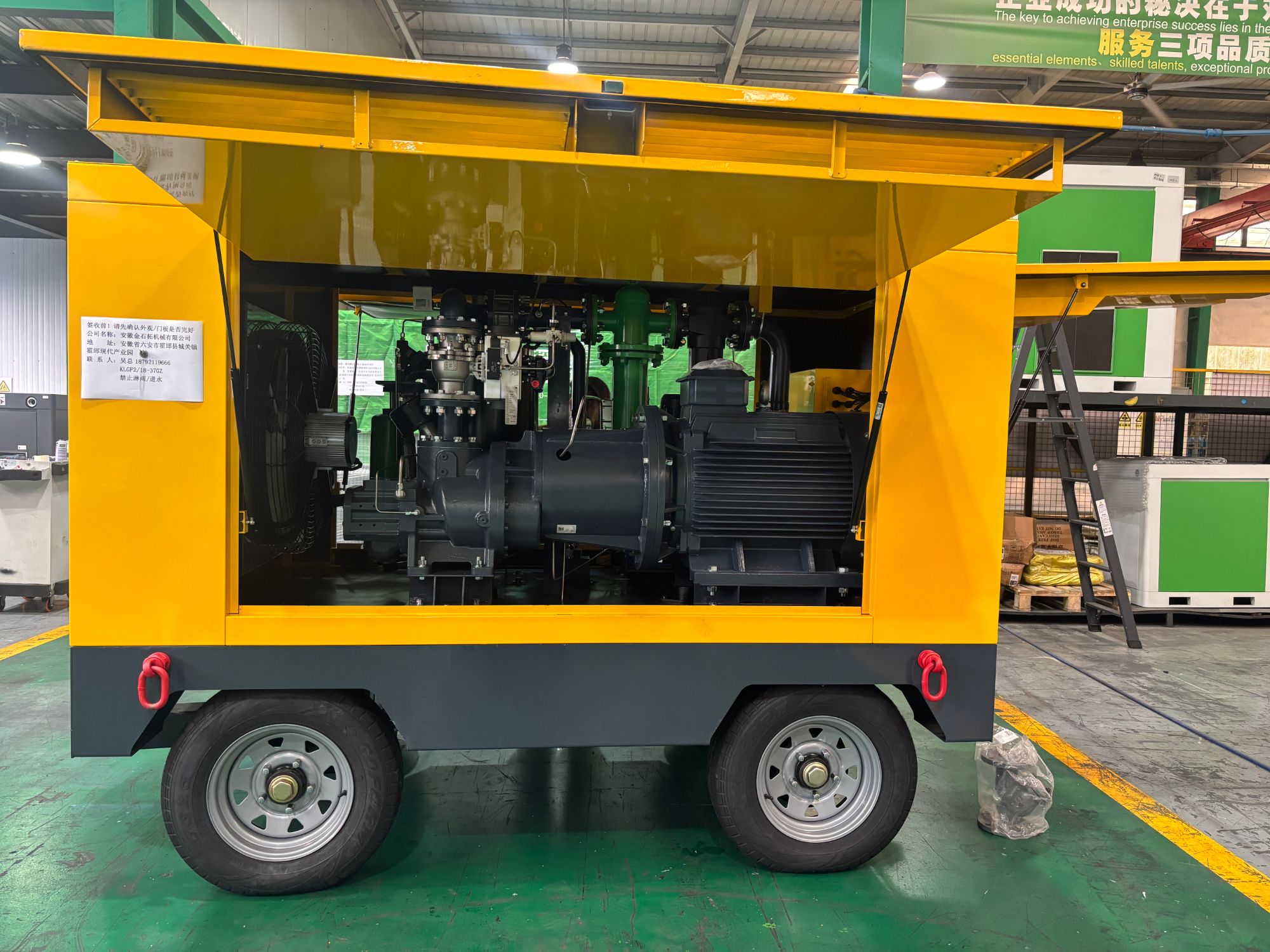
Mine compressed air systems often harbor inefficiencies that go unnoticed, silently driving up operational costs. Leaks are the most obvious culprits, but even small, undetected fissures can bleed thousands of dollars annually. Beyond leaks, pressure drops caused by undersized piping, clogged filters, or poorly designed distribution networks force compressors to work harder, wasting energy. The first step in uncovering these drains is a thorough audit that maps the entire system from generation to end use, pinpointing where air—and money—is escaping.
Yet hidden drains aren’t limited to physical leaks. Inappropriate usage patterns, such as leaving equipment running during idle periods or using compressed air for low-pressure tasks like cooling or drying, represent a significant but overlooked energy sink. Operators may not realize that a single open blow-off nozzle can consume as much power as a small household over a day. Advanced monitoring with flow meters and data loggers can reveal these behavioral inefficiencies, enabling targeted interventions that often require no capital investment—just a change in practice.
Finally, the supply side warrants scrutiny. Compressors operating at elevated pressures to compensate for system shortcomings, or units running unloaded for extended periods, drain energy relentlessly. Variable speed drives and sequencing controls can align supply with actual demand, but their benefits are fully realized only when the hidden drains are first addressed. By combining technology upgrades with a culture of awareness, mines can transform their compressed air systems from silent cost centers into models of efficiency.
Adaptive Control Strategies for Fluctuating Mine Demands
Mining operations rarely follow a steady rhythm. Ore grades shift, equipment availability changes, and energy costs swing unpredictably. Adaptive control strategies address this inherent volatility by continuously adjusting processing parameters in real time. Instead of relying on fixed setpoints, these systems respond to live data from sensors monitoring feed rates, particle sizes, and power draw. For instance, when a surge of harder ore enters the grinding circuit, the control logic might increase mill speed or adjust water addition without operator intervention. This dynamic approach keeps throughput stable and prevents bottlenecks that would otherwise ripple through downstream processes.
The real advantage emerges in how these strategies learn from operational history. Advanced implementations embed reinforcement learning techniques that observe outcomes of past actions and refine decision-making accordingly. A classifier at a copper mine, for example, might automatically tweak air flow and wash water in response to subtle changes in mineralogy that human eyes would miss. Over time, the system builds a model of expected behavior under diverse conditions, enabling it to preemptively compensate for shifts before they impact recovery. This reduces reliance on manual tuning and lets the plant maintain peak efficiency even as ore characteristics drift hour by hour.
Adopting such controls demands more than just installing software; it requires a shift in operational mindset. Engineers must trust algorithms to handle routine adjustments while they focus on strategic decisions. The payoff, however, is substantial: reduced energy consumption per ton, extended equipment life due to smoother operation, and consistently higher metal output. Mines that once struggled with fluctuating feed can stabilize their circuits, turning chaos into a manageable variable rather than a constant drain on resources.
Leak Detection and Management: A Practical Field Approach
In the field, effective leak detection starts with understanding the system's normal operating parameters. Technicians rely on acoustic sensors, infrared cameras, and tracer gases, but the real art lies in interpreting subtle changes. Rather than chasing every anomaly, experienced operators look for patterns: slight pressure drops at night, unexpected flow fluctuations, or soil moisture near buried lines. These indicators often reveal leaks long before they become visible, and the key is to combine instrument data with direct observation—walking the line, listening, and checking for environmental cues that machines might miss.
Once a leak is identified, practical management goes beyond quick fixes. It involves prioritizing repairs based on risk, documenting the leak's characteristics, and analyzing root causes to prevent recurrence. Field teams develop their own checklists—valve conditions, corrosion rates, seal integrity—and they learn to trust their judgment over rigid protocols. This approach not only saves time but also builds a deeper, localized understanding of the infrastructure, turning leak detection from a checklist task into a continuous, intuitive part of daily operations.
Heat Recovery Tactics to Slash Auxiliary Power Bills
Waste heat is an overlooked resource in many industrial and commercial facilities, quietly inflating auxiliary power bills month after month. Rather than letting exhaust streams from compressors, boilers, or process equipment escape unused, savvy engineers are turning to heat recovery tactics that directly offset electrical loads. For instance, capturing heat from air compressor discharge can preheat boiler feedwater or space heating loops, slashing the runtime of electric heaters. Even low-grade heat, often dismissed as not worth the effort, can be upgraded via heat pumps to useful temperatures, displacing a surprising amount of purchased energy.
Beyond simple heat exchangers, more integrated designs are reshaping how facilities think about thermal flows. Consider a manufacturing plant that routes hot exhaust from a drying oven through a run-around coil system to warm incoming ventilation air during winter. That single change trims fan energy and electric coil demand, often with a payback period measured in months rather than years. In data centers, where cooling dominates auxiliary loads, redirecting server exhaust to nearby offices or preheating outside air can turn a waste stream into a consistent heating source, cutting down on rooftop unit electricity use.
The real skill lies in matching supply temperature, timing, and location to needs that are often hiding in plain sight. A hospital, for instance, might use waste heat from medical air compressors to maintain domestic hot water loops, reducing the load on electric calorifiers. Even better is when these tactics are combined with thermal storage, shaving peak demand charges that disproportionately affect auxiliary power costs. By shifting away from a linear “heat-and-dump” mindset and toward circular energy thinking, facilities discover that meaningful savings are not just possible—they’re already flowing through the building, waiting to be tapped.
Maintenance Schedules That Boost Compressor Lifespan and Cut Downtime
Most compressor failures aren't sudden—they creep up after months of neglected bearings, clogged filters, or slow leaks that overwork the motor. A solid maintenance schedule flips that script. By sticking to timed checks on oil levels, air filters, and belt tension, you catch wear before it turns into a 3 a.m. breakdown. Equipment data from service logs often shows that units on a quarterly plan run years longer than those serviced only when something breaks. It’s not about working harder; it’s about penciling in 30 minutes a month to listen, feel, and measure.
Tailoring the schedule to your actual usage makes the difference. A compressor running 24/7 in a dusty plant needs weekly filter blowouts and monthly oil analysis, while one in a clean assembly room might go six months between checks. Track hours, not just calendar dates, and keep a simple log of pressure drops, runtime, and any odd vibrations. Many shops find that when they assign specific tasks to specific shifts—like a Monday morning cooler inspection and a Friday end-of-week drain—the routine sticks. The payoff is quieter operation, cleaner air output, and a budget that doesn't get blindsided by emergency repairs.
FAQ
Compressed air systems often account for a significant chunk of a mine's energy bill—sometimes up to 30%. Without optimization, leaks, pressure drops, and inefficient controls waste enormous amounts of electricity. Fine-tuning these systems directly cuts energy consumption, reduces maintenance frequency, and extends equipment life, all of which add up to substantial savings over time.
A multi-pronged approach works best. Start by conducting a thorough system audit to identify leaks, pressure losses, and inappropriate uses. Then, match compressor capacity to actual demand—often by resizing or consolidating units. Adding variable speed drives, lowering system pressure where feasible, and improving intake air quality also deliver quick wins. Finally, training operators to spot inefficiencies keeps the gains sticking.
It’s like changing the oil in a car—neglect it, and you burn more fuel and risk breakdowns. Dirty filters, worn seals, and clogged coolers force compressors to work harder, driving up energy use. A disciplined maintenance schedule prevents these inefficiencies, avoids unplanned downtime, and stretches the lifespan of the equipment, so capital replacement costs are deferred.
Leaks are silent profit killers. Even a small hiss can waste thousands of dollars annually. In a typical mine, leaks account for 20-30% of compressed air output. Using ultrasonic detectors to find and fix them is one of the cheapest ways to slash energy use. It’s not a one-time fix, though—regular leak audits are needed because new ones constantly appear.
Absolutely. Many mines run compressors at higher pressures than necessary out of habit or to compensate for pressure drops. Reducing the set point by just a few psi can lower energy consumption by 2-3% per psi. Combine that with pressure regulation at point-of-use and proper piping design, and the savings multiply. But it’s critical to ensure no production processes suffer from the change.
Traditional fixed-speed compressors run full tilt regardless of demand, wasting energy by loading and unloading. Variable speed drives (VSDs) adjust motor speed to match air demand in real time, eliminating idling losses. In applications with fluctuating demand, VSDs can cut energy use by up to 35%. The initial cost is higher, but the payback is usually within a couple of years.
Modern mines increasingly use IoT sensors and machine learning to track performance parameters like pressure, temperature, and power draw in real time. These systems can predict maintenance needs, flag anomalies, and even auto-adjust controls. Some platforms benchmark each compressor’s efficiency against its baseline, so operators can spot degradation long before it shows up in the electricity bill.
It varies, but most optimization projects—such as leak repairs, VSD retrofits, or pressure adjustments—pay back in under two years. For larger upgrades, like replacing an aging compressor with a high-efficiency model, the period might stretch to three or four years. The key is to look at total lifecycle cost, not just the upfront price tag. With energy prices rising, the math is increasingly compelling.
Conclusion
Underground mining operations often run air compressors around the clock, yet the true cost of compressed air is rarely questioned until utility bills spiral. A fresh look at how these systems are deployed reveals that much of the energy consumed never reaches the drill or haulage equipment—it dissipates through pressure drops, artificial demand, and poorly matched compressor capacity. Mapping out the actual duty cycles of equipment underground often shows that many machines operate well below their rated flow, creating an ideal scenario for adaptive control. By letting production data—rather than fixed setpoints—dictate compressor output, mines can trim hundreds of kilowatt-hours without impacting productivity. This realignment of supply with demand is the foundation of cost optimization, but it demands more than just installing a variable-speed drive; it requires understanding the fluctuating rhythms of the mine itself.
The next layer of savings comes from tackling physical waste in the network. Leaks often account for 30–50% of total air generated, yet they remain invisible against the background noise of a working mine. A structured detection campaign using ultrasonic tools, combined with a pragmatic tagging and prioritization system, turns leak management from a grudging chore into a cost-cutting routine. Simultaneously, the considerable heat produced by compression can be scavenged to warm intake air, process water, or facility spaces, slashing auxiliary power bills that often go overlooked. Finally, a maintenance plan grounded in real operating hours rather than calendar intervals keeps compressors running near their best efficiency point, extends asset life, and sidesteps unplanned downtime. Together, these measures form a coherent strategy that transforms the compressed air system from a notorious energy drain into a finely tuned contributor to the mine’s bottom line.
Contact Us
Contact Person: Mia
Email: [email protected]
Tel/WhatsApp: +86 19821985894
Website: https://www.seize-air.com