

Decorative Flowers: Which One Is Best for Your Home Decor?
2026-09-23
Some decorative flowers look stunning in photos but fall flat in a real living room. Others fade, shed, or collect dust faster than expected. So, how do you know which one truly earns a spot in your home decor? Instead of guessing, we compared the most popular options—and leaned on PHLEEYA’s range to see what works in everyday spaces. Here’s what sets the best apart.
The Honest Case for Fresh Flowers Despite the Cleanup
Let’s be upfront: fresh flowers are a bit of a nuisance. Petals drift onto the table like tiny, colorful confetti you didn’t ask for. The water turns cloudy after a few days and starts to smell faintly of a pond. You have to trim the stems, scrub the vase, and remember to do it all over again next week. It’s easy to wonder why anyone bothers when a high-quality silk arrangement sits there forever, dust-free and judgment-free. But that very inconvenience is part of the point. Tending to something that is already dying forces a kind of attention you don’t give to plastic. You notice the way a rose opens from a tight fist to a loose, almost embarrassed bloom. You catch the moment a tulip stem bends toward the window, chasing light you didn’t realize shifted. The cleanup isn’t a tax on beauty; it’s the price of witnessing a short, unrepeatable performance.
There’s also an honesty in fresh flowers that no faux stem can match. They will droop. They will brown at the edges. They will eventually end up in the compost or the trash, and that’s exactly what makes the days before that decline feel urgent and real. A fake orchid asks nothing of you and gives nothing back except a vague sense of decoration. A handful of ranunculus or peonies, by contrast, changes hour by hour. Their scent—faint or heady, depending on the bloom—fills a room in a way no candle or spray can fake. Even the slow droop of a stem in a vase has a kind of quiet drama, like watching a good but sad movie you already know the ending to. You don’t keep fresh flowers because they’re practical. You keep them because they refuse to be permanent, and that refusal makes the room feel alive rather than staged.
And the cleanup itself? It’s rarely more than ten minutes. Dump the old water, rinse the vase, snip the stems at an angle, add the little packet of flower food if you remembered to save it. If you’re lazy, you can even skip the food and just change the water every other day. The effort is so small compared to the lift it buys—a week of walking past the kitchen counter and catching a flash of color your brain registers before you even consciously look. That’s the honest case: not that fresh flowers are easy or clean or even sensible, but that the small mess is a fair trade for a few days of something genuinely, briefly alive in your home.
Dried Arrangements That Feel Collected, Not Crafty
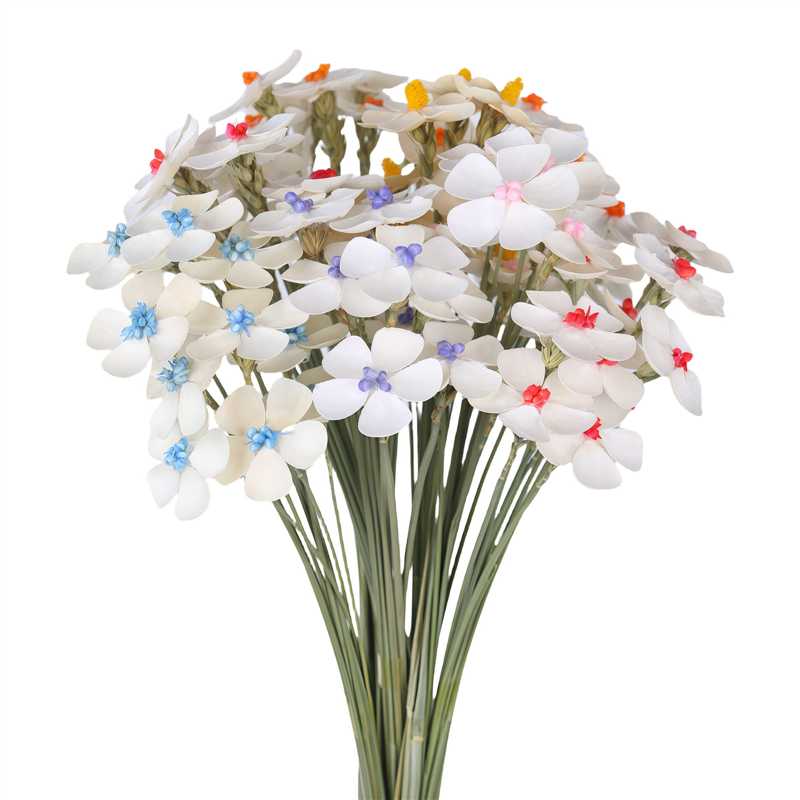
There's a quiet difference between a dried arrangement that whispers of a roadside meadow and one that announces itself as a weekend craft project. The latter leans on symmetry, predictable blooms, and a glue gun's earnestness; the former gathers stems with the same casual logic you'd use when pocketing a smooth stone or a fallen leaf.
Look for shapes that hold tension without demanding attention—curled banksia pods, a single twisted branch of bittersweet, the papery rustle of unfurling grasses. Let one unintentional gesture, like a stem leaning hard to the left or a seed head facing the wrong way, give the whole thing its backbone.
Forget the vase you think you need. An old ceramic crock with a hairline crack, a narrow-necked bottle missing its stopper, even a hollowed-out bookend—these anchor dried material with a sense of story, not a season. The result is less a display and more a slow accumulation of things you couldn't not keep.
Faux Botanicals Worth a Second Glance
There's a quiet satisfaction in spotting a fake plant that makes you pause mid-step. Not the plastic, overly shiny kind from a discount bin, but something with veined leaves, a slight unevenness to the stems, maybe the faintest dusting of soil that's actually paint. These are the pieces that blur the line between decor and botany, and they deserve more than a passing glance.
What sets the convincing ones apart usually comes down to the small things: a gradient of green that isn't uniform, petals with that slightly crinkled edge you'd expect from a real bloom, or a stem that bends at an angle that feels natural rather than factory-set. Some manufacturers even mimic the way light passes through a leaf, giving the material a translucent quality that fools the eye from across the room.
If you're open to faux botanicals, start by looking at them the way you'd inspect a live plant—check the underside of leaves, the joints where stems meet, the overall silhouette. A good one won't be symmetrical or perfect. And once you've found a few that hold up under a second look, you can style them in spots where real plants would struggle: a dark hallway, a high shelf, or a room with no natural light at all.
Preserved Blooms That Outlast Your Last Three Houseplants
Most of us have learned the hard way that even the sturdiest houseplants can meet an untimely end—overwatered, underwatered, or simply forgotten during a busy week. Preserved blooms, on the other hand, require zero watering, no sunlight, and not a single moment of worry. They hold their shape and color for months or even years, quietly outliving the ferns and ficuses that came before them.
Unlike dried flowers that crumble or fade, professionally preserved blooms undergo a gentle process that keeps their petals soft and their hues vivid. They don’t droop when you skip a misting, nor do they turn brown if you move them away from the window. Instead, they sit on your shelf or desk as a lasting reminder that beauty doesn’t always demand a green thumb.
So if your last three houseplants didn’t make it, don’t swear off botanical decor altogether. Swap the watering can for a vase of preserved stems—arrangements that keep their promise season after season, without the guilt of another leafy casualty.
Tiny Bud Vases vs. Statement Branches
A tiny bud vase works like a whispered detail. It holds a single stem or a few delicate wildflowers, drawing the eye only when someone leans in close. These small vessels shine on windowsills, bathroom shelves, or a stack of books, where their modest scale adds a note of life without competing for attention. Statement branches, on the other hand, refuse to be ignored. A bare magnolia branch or a spray of cherry blossoms in a tall floor vase can shift the whole energy of a room, creating height, movement, and a sculptural focal point.
The real difference comes down to negative space. Tiny bud vases let the surrounding area breathe, acting almost like punctuation in a room’s visual rhythm. You can cluster three or five of them at varying heights on a mantel, and each remains a quiet player. Statement branches demand open air around them—think a corner with high ceilings, an entryway console, or a dining table where they arch overhead. Crowding a bold branch arrangement with too much nearby decor usually defeats its purpose.
If your space feels busy or you prefer subtle shifts, start with bud vases and rotate fresh cuttings every few days. If you want an instant mood change or need to fill vertical emptiness, go for a dramatic branch. Sometimes the best move is both: a low cluster of bud vases near a mirror, with one tall branch arrangement in the opposite corner to balance the room’s scale.
Matching Flower Types to the Room’s Existing Textures
When a room leans heavily on rough, organic textures—think exposed brick, raw timber beams, or a chunky woven wool throw—flowers with soft, billowy silhouettes tend to settle in without competing. Single-stemmed garden roses, ranunculus with their tissue-thin petals, or a loose spray of spirea mimic the room’s unpolished ease while adding a breath of movement. Avoid glossy, tightly packed blooms like calla lilies or anthuriums here; their high-shine surfaces feel disconnected from the matte, grainy backdrop.
In spaces dominated by sleek, polished materials—lacquered furniture, glass tables, or smooth marble counters—structural flowers with clean lines hold their own. Think an arrangement of white tulips with their waxy, unbroken curves, a cluster of orchids, or a single sculptural protea. These varieties mirror the room’s crisp, reflective qualities rather than trying to soften them. Conversely, if the room already layers velvet cushions, nubby bouclé chairs, and heavy linen drapes, introducing airy, fine-textured blooms like sweet peas, Queen Anne’s lace, or ferns prevents the space from feeling overstuffed.
For rooms that mix both rustic wood and smooth metal or stone, lean on flowers that bridge the gap. Dahlias with their slightly fuzzy centers and satin-edged petals work well, as do cosmos with their delicate, papery texture. A mix of textural contrast within the arrangement itself—say, fuzzy lamb’s ear paired with glossy camellia leaves—can echo the room’s layered material palette without having to choose one side over the other.
FAQ
Fresh flowers offer natural scent and a lively, fleeting beauty but need regular care. Dried flowers bring a rustic, textured look and last for months with zero upkeep. High-quality artificial flowers can now look incredibly realistic and stay flawless for years, though they lack the organic scent and subtle imperfections of the real thing.
Preserved flowers are a great middle ground. They are real blooms that have been treated to keep their soft, natural appearance for several months to a year without water. Just keep them out of direct sunlight and away from high humidity, and they will hold their shape and color beautifully.
Artificial or dried flowers are your best bet since fresh blooms need light to thrive. Look for silk or foam flowers with realistic petal textures, and pair them with dried grasses or branches to add depth and a more organic feel to a dark corner or windowless room.
They are far from a passing trend. Dried flowers bring lasting natural texture, muted earthy tones, and a calm, organic vibe that suits many interior styles, from boho to minimalist. When paired with a simple ceramic or glass vase, they can look sophisticated and intentional rather than trendy.
Start by pulling one or two secondary colors from your room's existing palette, like a tone from a throw pillow or a painting. For neutral spaces, a monochromatic bouquet in varying shades of the same hue adds subtle interest. In colorful rooms, pick a single dominant color that already appears in your decor and build the arrangement around it.
Not at all. Choose pollen-free options like high-quality artificial flowers, dried stems, or preserved blooms. If you prefer real flowers, go for varieties that produce little to no airborne pollen, such as roses with the stamens removed, orchids, or hydrangeas, and change the water often to keep allergens low.
Try hanging single stems upside down from a kitchen rail for a drying display, framing pressed flowers between glass panes, suspending small blooms inside clear glass baubles, or using a vintage teapot or pitcher as an unconventional vessel. Even a single stem in an empty perfume bottle on a bathroom shelf can feel charming.
The extra cost is usually worth it. Higher-end silk flowers have better petal shaping, subtle color gradients, and realistic stems and leaves that don't scream plastic. Cheap ones often look fine from a distance but fall apart up close, so investing in a few quality stems that you can reuse for years makes more sense.
Conclusion
Fresh flowers still win when you want a room to feel alive, even if their short lifespan demands constant cleanup. The imperfection of real petals and stems brings an honesty that no manufactured bloom can fully replicate, but the effort isn't always practical. Dried arrangements offer a middle ground—if you avoid the overly rustic look and instead choose pieces with varied textures and muted tones, they feel like collected mementos rather than craft-store projects. Faux botanicals have improved enough to fool a second glance, especially those with subtle color variation and bendable stems, while preserved blooms handle neglect better than any living houseplant, keeping their shape and tint long after fresh bouquets would have wilted.
Scale matters as much as material. Tiny bud vases scattered on a shelf create quiet moments, while a single statement branch can anchor a whole corner without needing constant replacement. What actually works is matching the flower type to what the room already has—soft, feathery stems echo plush textiles, spiky dried grasses sharpen a room full of smooth leather and glass, and glossy faux leaves slip into modern spaces without argument. There is no single best option; it depends on how much upkeep you can tolerate and what textures already surround you. The most successful rooms mix a few approaches, letting each type play to its strength.
Contact Us
Contact Person: Mr. Luo
Email: [email protected]
Tel/WhatsApp: 86 18100895505
Website: https://www.feiliyaflowers.com/en/