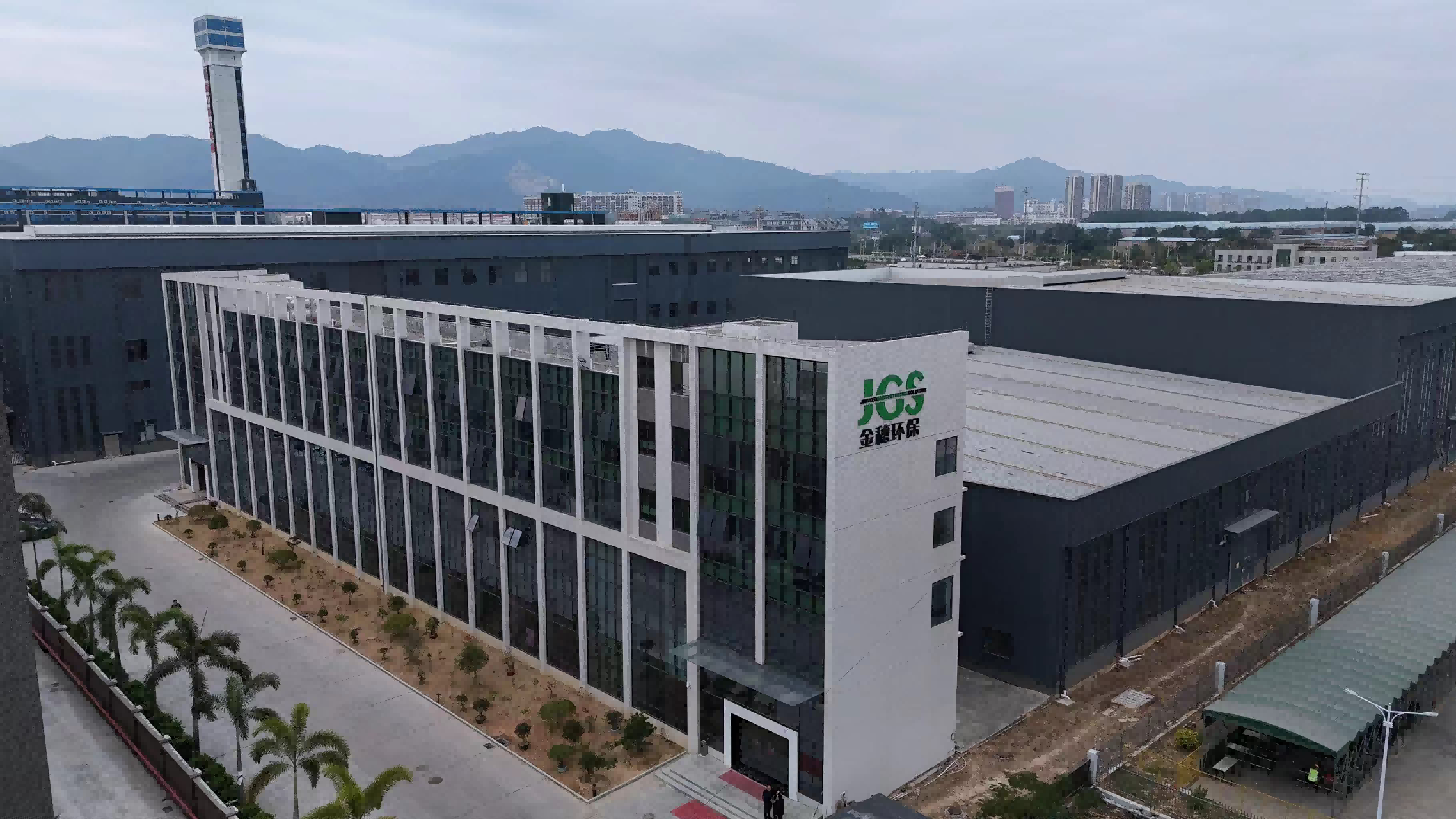

Durable Woven Geotextile Fabric: What Makes It Essential for Long-Term Ground Stability
2026-08-27
When it comes to long-term ground stability, not all geotextiles are built to last. The right durable woven geotextile fabric can mean the difference between a foundation that holds strong for decades and one that slowly fails under pressure. But what exactly makes these fabrics so vital for demanding civil and environmental projects? From superior tensile strength to controlled filtration, the engineering behind them is far more nuanced than many realize. In this post, we’ll break down the key properties that separate high-performance woven geotextiles from ordinary options—and why choosing a trusted partner like JInseed Geosynthetics Solution can make all the difference when the ground beneath your project is anything but forgiving.
Why Woven Strength Wins on Load-Bearing Ground
When the subgrade starts pushing back, it’s not just raw tensile numbers that matter—it’s how the fabric handles stress from multiple directions at once. Woven geotextiles interlace high-tenacity polypropylene or polyester yarns under controlled tension, creating a tight grid that locks aggregate in place. On load-bearing ground, that means less lateral spreading and fewer rutting failures compared to nonwoven alternatives that stretch too much before mobilizing their strength.
The real difference shows up under repeated wheel loads. A woven fabric’s crimp—the slight wave in each yarn where it crosses another—acts like a spring, absorbing shock without permanent deformation. This keeps the base course from sinking into soft spots, even when moisture content fluctuates. You end up with a working platform that doesn’t need constant topping up, which is why contractors keep coming back to wovens for access roads, haul roads, and parking areas over marginal soils.
Tensile Strength as the Real Workhorse Under Pavement
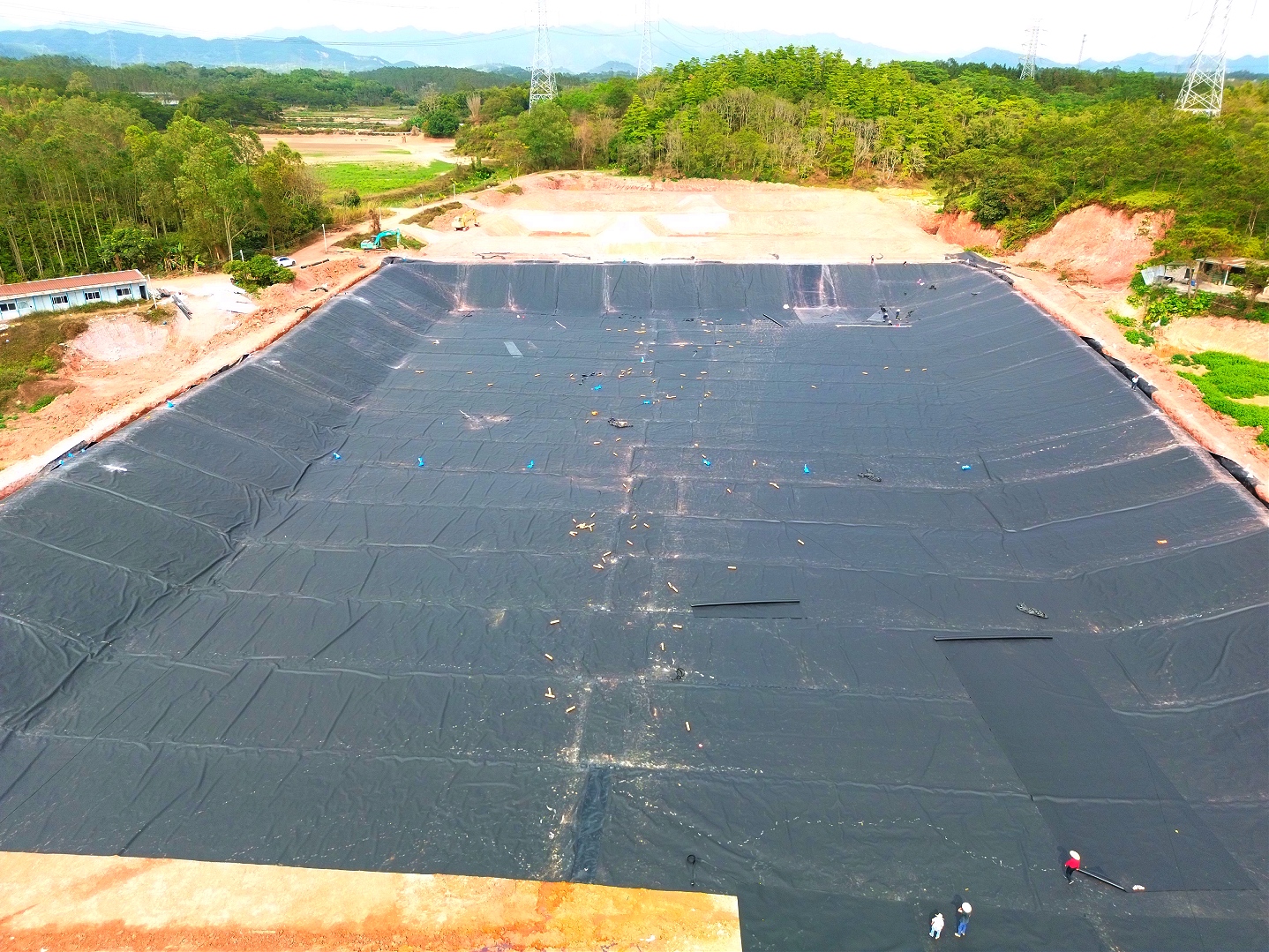
When a slab of pavement bends under a heavy axle, the underside stretches while the top surface compresses. That stretching is where tensile strength does its quiet, relentless work. If the material cannot resist being pulled apart, tiny cracks start along the bottom edge and migrate upward. Most pavement failures begin not with crushing but with fatigue from repeated tension.
Concrete's tensile capacity is famously modest—roughly a tenth of its compressive figure—which is why reinforcement, fibers, or careful jointing come into play. Asphalt mixes face the same tug-of-war, relying on binder cohesion and aggregate interlock to keep flexing without tearing. In the field, how a layer handles strain often tells you more about its lifespan than a lab compression test ever will. A pavement that stretches without splitting is the one that stays smooth for decades.
That is why spec sheets that obsess over compressive strength sometimes miss the point. Real roads curl, shrink, and bend under thermal cycles and traffic loads. The tensile backbone—unseen, rarely celebrated—absorbs those strains day after day. Strength in tension is not a bonus; it is the actual workhorse keeping the surface intact.
Keeping Soil Layers Apart While Water Still Moves
Soil structure rarely behaves like a simple sponge. In healthy ground, distinct layers form over time—each with its own texture, density, and biological activity. Keeping those layers from blurring into one another matters more than most gardeners realize. When you dig too deeply or mix subsoil into the top layer, you break the capillary bridges that allow water to travel upward from deeper reserves. The result is often a surface that dries out quickly while lower layers stay waterlogged. Instead of turning everything over, work with the existing stratification: add compost to the top few inches only, use a broadfork to create vertical cracks without flipping, and let earthworms do the slow mixing nature intends.
Water movement through stratified soil depends on pore continuity. A layer of coarse sand above fine silt can actually block downward flow, because the sudden change in pore size traps air and creates a perched water table. Yet the same layering can be beneficial when managed thoughtfully. For example, a thin band of clay under sandy topsoil slows drainage just enough for plant roots to capture moisture before it disappears. The key is not to chase uniformity, but to respect the boundaries that already exist. If you must add a new material, place it on the surface and let rain, roots, and time gradually integrate it—mimicking leaf litter in a forest rather than tilling it under.
One overlooked factor is how roots themselves maintain layer separation. Deep taproots create channels that pierce compacted zones without destroying them, while fine surface roots weave the topsoil into a cohesive mat. When you remove all plants and leave soil bare, those living stabilizers vanish, and rainfall begins to smear the layers together. A better approach is to keep living roots in the ground for as much of the year as possible, using cover crops or perennial groundcovers. They act as both stitches and pipes—holding the structure in place while allowing water to slip through the very channels they create.
Installation Details That Extend Fabric Service Life
The seam at the outer edge carries far more load than most people expect, so it is one of the first places to fail. A double row of stitching about 6 mm apart helps, but only if the thread is UV-stable and the needle has not left oversized holes. On framed panels, place a soft isolator tape between the fabric and the metal clamp, then torque the fasteners in a crossing pattern rather than going around the perimeter. That keeps tension even and stops the cloth from creeping into a wrinkled pocket where wear accelerates.
Getting the working tension right matters more than making the surface look perfectly flat. For most outdoor textiles, aim for just enough pull to remove visible sag, then add no more than a few millimetres of adjustment. If the frame flexes under wind load, add a small sliding connection at one end instead of fixing every point rigidly; this lets the fabric breathe and prevents edge tears near the corners. Sharp metal edges should be rounded or sleeved, especially where the cloth exits a channel or turns around a grommet.
Water management is often the difference between a fabric that ages gracefully and one that stains, sags, and delaminates early. Slope each surface slightly so rain runs toward a planned drain point instead of collecting around stitching or hardware. Leave hem ends open where possible, and keep a small air gap behind the textile so it dries from both sides. These small installation choices do not cost much during the initial build, but they remove the slow, constant damage that shortens service life.
Choosing Fabric Weight Based on What's Actually Underneath
The weight of your fabric should start with the layers that will live under it, not just the look you're after. A crisp cotton poplin might feel right on the bolt, but if you plan to wear that shirt over a tank top or a fitted tee, you'll need enough heft to keep the outer layer from gripping every seam and wrinkle underneath. Lightweight fabrics make sense for pieces worn against the skin or over a single thin base layer, while midweights earn their place when there's a knit or woven layer between the fabric and your body.
Linings change the math too. An unlined jacket or skirt in a featherweight wool will show every bump from a camisole or tights, whereas the same fabric backed by a smooth lining can skim more cleanly. If you're skipping a lining, move up one weight class so the fabric has enough body to bridge over what's underneath instead of clinging to it. This small shift often matters more than the fiber content alone.
Then think about movement and static. If you'll sit, bend, or walk with a base layer underneath—like a slip under a dress or long johns under trousers—choose a fabric with a bit of drape and weight so it falls away from the body rather than bunching upward. Stiffer, heavier fabrics hold their shape better over bulky underlayers, while fluid, lighter ones tend to catch and ride up. Try draping the fabric over a similar underlayer before you commit to a cut.
Long-Term Stability in the Places That Get Ignored
Places that never make headlines often hold a quiet kind of steadiness. These are towns where the population hasn't shifted much in decades, where the same families run the hardware store and the diner, and where a slow decline in industry never turned into a collapse. The stability isn't born from growth or investment—it comes from people staying put, fixing what breaks, and looking after neighbors because nobody else will. There's no boom to attract outsiders, and no bust sharp enough to scatter the residents.
Walk through a former mill village or a farming community off the main highway and you'll notice houses that are neither new nor abandoned. Porches get painted, gardens get weeded, and the local school still holds a fall festival. The economy limps along on a handful of small employers, but the social fabric remains dense: volunteer fire departments, church suppers, and a shared memory of harder times. This kind of stability gets dismissed as stagnation by outsiders who see only a lack of progress, yet the people living there experience it as endurance—a refusal to be erased.
The value of such places becomes clearer when you look at what they offer that fast-growing cities can't: predictable seasons, long-term neighbors, and a sense that the ground under your feet won't be sold out from under you. They are not monuments to the past, nor are they waiting to be rescued by a new factory or a remote-work influx. They simply continue, day after day, held together by habit and obligation. The risk they face is not instability, but invisibility—being left out of decisions about infrastructure, healthcare, and climate adaptation because their needs don't register on a spreadsheet.
FAQ
It's a permeable textile made by weaving polypropylene or polyester tapes or yarns into a stable grid. The tight weave gives it high tensile strength and low elongation, so it holds soil layers apart while letting water pass through. Think of it as a tough separator that keeps gravel from sinking into soft subgrade over time.
It mainly works by separation and reinforcement. The fabric prevents intermixing of different soil layers, which maintains the structural integrity of the base. At the same time its tensile strength spreads loads over a wider area, reducing rutting and settlement even under repeated traffic or heavy loads.
Ground stabilization is usually a buried, long-term investment. If the fabric degrades, the layers start mixing again and you get potholes, sinking, or erosion. Durable woven geotextiles resist UV exposure during installation, chemical attacks from soil, and mechanical damage from sharp stones, so they keep performing for decades without replacement.
You'll see it under roads, parking lots, driveways, and building foundations where soft subgrades need support. It's also common under retaining walls, around drainage trenches, and in erosion control on slopes. Essentially anywhere you need to keep aggregate separate from weak soil while allowing water movement.
Start with the expected loads and the soil's bearing capacity. Heavier traffic or weaker subgrades call for a higher grab tensile strength and a lower elongation value. Supplied specifications often list tensile strength in pounds per foot, and it's wise to match that to your engineering requirements rather than just picking the thickest fabric.
Yes, most high-quality woven geotextiles are designed for aggressive environments. They resist rot, biological degradation, and common soil chemicals. Because they allow water to flow through the fabric plane, they don't trap moisture against the subgrade, which helps prevent freeze-thaw damage and hydrostatic pressure buildup.
The biggest errors are placing it on an unprepared, uneven surface, leaving wrinkles that create voids, or overlapping seams incorrectly. Too much slack can also let aggregate shift. UV exposure beyond the recommended maximum before covering is another common issue, as is using equipment that tears the fabric before backfilling.
Woven fabrics typically offer higher tensile strength at lower elongation, making them better for load-bearing separation and reinforcement. Non-woven fabrics excel at filtration and drainage but don't provide the same structural support. For long-term ground stability under roads or foundations, woven is usually the preferred choice unless drainage is the primary concern.
Conclusion
On load-bearing ground, a durable woven geotextile does its best work where nobody sees it. The interlocked yarns create a membrane that spreads wheel loads and resists rutting far better than nonwoven alternatives can manage under the same stress. Tensile strength is what keeps the fabric from tearing when aggregate is compacted above weak subgrade, and that tensile capacity becomes the real workhorse beneath pavement—handling the repeated strain of traffic without letting the base course punch down into the soil. At the same time, the weave stays tight enough to keep subgrade fines from migrating upward while still letting water pass through, so you avoid the classic failure of a clogged, saturated layer that slowly turns pavement into a cracked mess.
Installation choices tend to matter more than the fabric itself. Overlapping edges, keeping the fabric free of wrinkles before aggregate placement, and avoiding construction traffic directly on the exposed textile all add years to the system. Fabric weight should match what is actually underneath: a soft clay or silt subgrade calls for a heavier, higher grab strength product, while a well-drained sandy base can often work with a lighter grade. The places that fail first are usually the ones nobody checks—under haul roads, behind retaining walls, around culverts, or at the edge of a parking lot where drainage patterns shift. Putting the right woven geotextile in those neglected spots is often what separates a surface that lasts decades from one that needs patching every few seasons.
Contact Us
Contact Person: Jerry Qiu
Email: [email protected]
Tel/WhatsApp: +65 84265294
Website: https://www.jinseed-geo.com