

FR Fabric Company: Pioneering Advanced Textile Solutions for Modern Industries
2026-07-05
In a world where textile innovation defines industrial progress, DROTEX stands at the forefront—quietly reshaping what fabrics can do. From flame-resistant barriers to high-performance membranes, this is where material science meets real-world demand. If you’ve ever wondered how modern industries stay safe, efficient, and ahead of the curve, the answer often begins with a single thread. Welcome to the story of a company that doesn’t just follow trends—it weaves them.
From Humble Threads to Industrial Fire Shields
The journey of protective textiles began not in high-tech laboratories, but with the simple, tightly woven fabrics that workers once relied upon. These early materials, often crafted from natural fibers, offered minimal resistance against the searing heat and sparks of emerging industrial environments. As industries pushed into more extreme conditions, the need for reliable fire protection became a matter of survival, transforming ordinary threads into engineered barriers that could stand between life and lethal temperatures.
Advancements in material science gradually replaced cotton and wool with inherently flame-resistant synthetics such as aramids and modacrylics. These fibers are not merely coated but are molecularly designed to resist ignition and char in a way that forms a protective crust, shielding the wearer long enough to escape danger. Modern fire shields are now woven with precision, often blending multiple fibers to balance thermal insulation, breathability, and durability—a departure from their one-dimensional ancestors.
Today, these technical fabrics live a double life: inconspicuous linings in jackets worn by foundry workers, or the critical outer shells of firefighter turnout gear. Each generation of thread carries forward an unspoken promise—to buy time when every second counts. The evolution from humble beginnings to industrial guardianship underscores a simple truth: the quietest heroes are often the ones we wear closest to our skin.
Weaving Fire-Resistance into the Fabric of Innovation
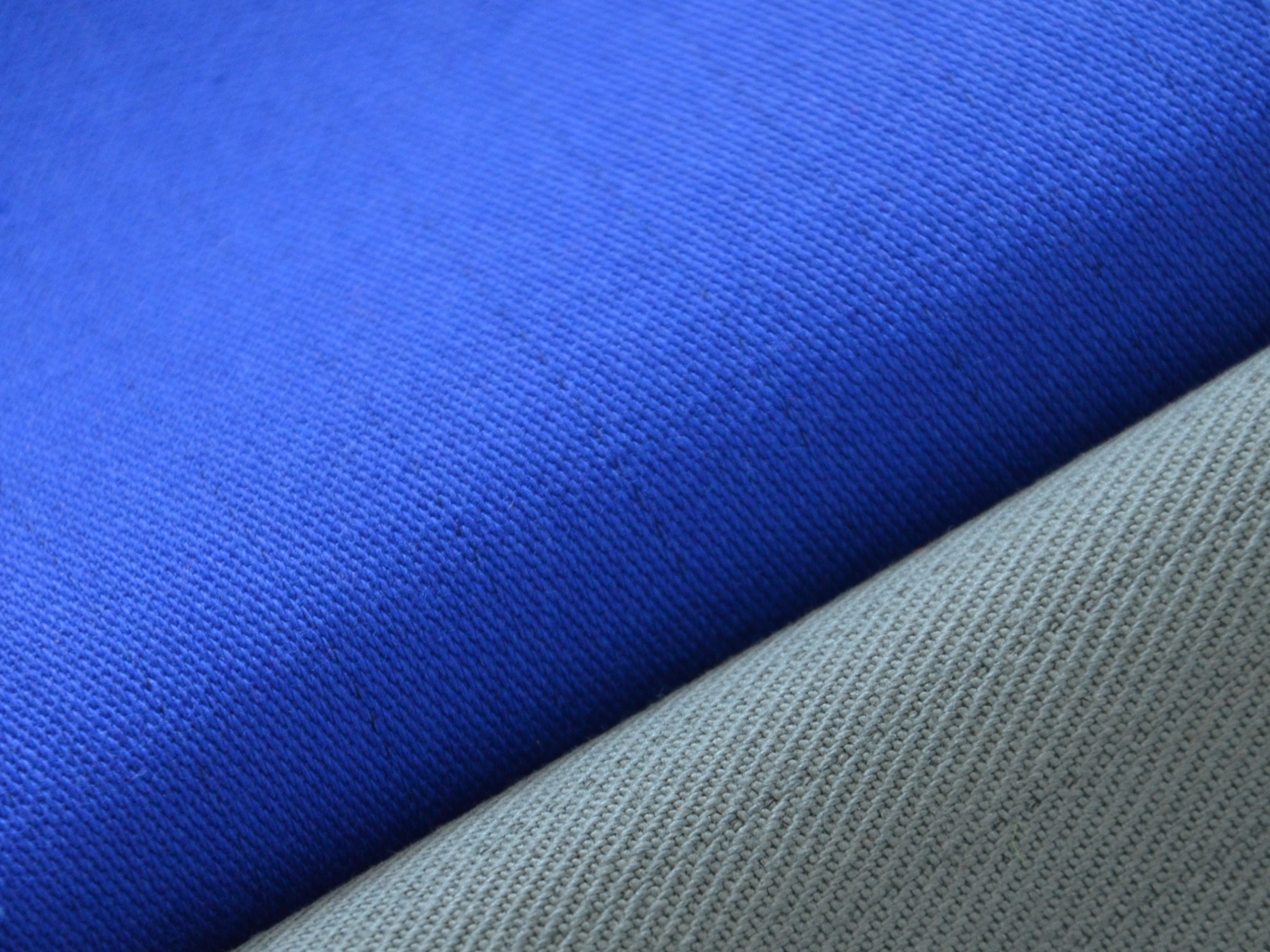
Fire has always been a relentless adversary, but our approach to taming it is no longer confined to heavy cloaks or bulky barriers. We've started threading resilience directly into the very backbone of our materials, rethinking molecular structures so that safety isn't an afterthought—it's embedded from the first stitch. This isn't just about slowing down a flame; it's about redefining what protection means in environments where heat and risk are constant companions.
The real magic happens when creativity meets chemistry. By blending naturally resistant fibers with synthetic polymers that swell into an insulating char under extreme temperatures, we produce textiles that adapt as conditions worsen. These fabrics breathe, flex, and endure, shedding the stiffness typically associated with thermal shields. A single jacket woven this way can defend against a flash without suffocating its wearer, turning protective gear into a second skin that moves with the body.
Beyond the tech specs lies a broader shift in how we imagine resilience. Innovators are now borrowing from nature—studying how pinecones seal their scales against forest fires or how certain beetles deploy reflective layers to dodge heat. When we weave those lessons into industrial design, fire-resistance becomes more than a feature; it becomes an integral part of an object's DNA, opening doors to safer architecture, transportation, and everyday wearables that don't compromise on elegance.
Protecting What Matters Most: Safety Textiles in Action
Every day, in workplaces and on roadsides, safety textiles silently stand guard between people and potential disaster. A firefighter's coat isn't just a jacket—it’s a meticulously engineered shield that deflects heat while wicking sweat. The fluorescent stripes on a highway worker’s vest aren’t decorative; they’re woven with glass beads so fine that headlights bounce back with startling brightness, turning a split-second glimpse into a life-saving signal.
Behind these fabrics lie stories of relentless testing: abrasion machines that grind samples for hours, simulating years of wear; thermal mannequins subjected to flash fires, their sensors mapping every degree of protection. When a paramedic kneels in street debris, the reinforced knees of their trousers resist cuts and moisture, letting them focus entirely on the person they’re saving. In these moments, the textile isn’t just material—it’s trust worn next to skin.
What’s remarkable is how these textiles evolve without losing their human touch. Breathable membranes let air circulate on a sweltering construction site, yet still block micro-particles from cutting or grinding. Arc-flash suits get lighter each season, yet an electrician can work with the same deftness as in street clothes. The thread that holds it all together isn’t just high-tenacity fiber; it’s the quiet pact between weavers and wearers: that when trouble flares, the fabric won’t fail.
Redefining Safety Standards Across High-Risk Sectors
In high-risk environments like offshore drilling or heavy construction, conventional safety protocols often fail to address the unpredictable nature of daily operations. True safety redefinition demands moving beyond compliance checklists toward adaptive frameworks that integrate real-time hazard recognition and employee-driven risk assessments. By empowering frontline teams to actively shape safety practices, organizations uncover blind spots that standardized procedures overlook, creating a more resilient and responsive safety culture.
Technology plays a pivotal role in this shift, yet its success hinges on human-centered implementation. Wearable sensors, predictive analytics, and automated monitoring provide unprecedented visibility into worksite dangers, but they only deliver value when paired with meaningful training and trust. The goal is not to replace human judgment but to enhance it—transforming raw data into actionable insights that workers and managers can use collaboratively to prevent incidents before they occur. Ultimately, redefining safety means seeing it as a dynamic capability rather than a static set of rules.
Sustainable FR Solutions: Safety Without Compromise
Balancing fire safety with environmental responsibility has long been a delicate act. Conventional flame retardants often rely on halogenated or heavy-metal compounds that pose risks to ecosystems and human health. The shift toward sustainable FR solutions rewrites this narrative, proving that effective fire protection need not come at the planet's expense. By leveraging innovative chemistries and life-cycle thinking, manufacturers can now offer materials that meet stringent safety standards while drastically reducing ecological footprints.
Modern sustainable FR technologies harness renewable feedstocks, such as bio-based phosphorus or nitrogen systems, to achieve robust char formation and gas-phase inhibition. These mechanisms deliver rapid self-extinguishing properties without persistent bioaccumulative toxins. Beyond material composition, circular design principles enable end-of-life recovery—flame-retardant components can be reclaimed, recycled, or safely biodegraded, closing the loop on waste. The result is a new generation of textiles, electronics, and construction materials that pass rigorous flammability tests like UL 94 V-0, yet align with green building certifications and corporate ESG goals.
Safety remains non-negotiable. Whether in electric vehicle batteries, aircraft interiors, or children’s furniture, sustainable FR solutions perform under extreme conditions, resisting ignition, slowing heat release, and suppressing smoke—critical factors in saving lives. Independent laboratory testing confirms that bio-based and mineral-based formulations can equal or surpass the effectiveness of traditional counterparts. This uncompromising approach ensures compliance with evolving fire codes while offering brands a genuine point of differentiation: products that protect people, property, and the planet simultaneously.
The Next Frontier in Advanced Textile Engineering
In the evolving landscape of materials science, advanced textile engineering is quietly reshaping how we think about fabrics. No longer confined to mere protection or aesthetics, modern textiles are becoming active participants in data collection, energy harvesting, and even health monitoring. Conductive yarns seamlessly woven into garments can track vital signs, while shape-memory fibers adapt to environmental conditions without any external power source. These breakthroughs are not incremental—they represent a fundamental shift in what we expect from the clothes we wear and the textiles that surround us.
The integration of nanotechnology and precision engineering has unlocked properties once thought impossible. Fabrics can now repel bacteria, self-clean when exposed to light, or alter their thermal conductivity on demand. Researchers are moving beyond single-function enhancements, developing multi-layered structures that combine breathability with waterproofing at a molecular level. This isn't about adding another coating; it’s about embedding functionality into the very backbone of the fiber itself. The result is a new class of materials that respond intelligently to both the wearer and the environment.
What sets this frontier apart is the convergence of disparate disciplines. Textile engineers are collaborating with circuit designers to create e-textiles that wash without degradation, while bioengineers explore how silk-based scaffolds can promote wound healing. The manufacturing processes themselves are being reinvented, with 3D knitting and robotic braiding allowing for seamless, waste-free production. As these technologies mature, the line between fabric and device blurs, hinting at a future where our everyday textiles become an invisible, intuitive interface with the digital world.
FAQ
Instead of just selling fabric, we collaborate directly with industries to engineer materials that solve specific performance challenges—whether it's extreme heat, chemical exposure, or strict regulatory demands.
Our materials are used in aerospace, automotive, oil and gas, military, and medical fields—anywhere that standard textiles won't hold up under real-world stress.
We test everything in-house with rigorous simulation protocols, and every batch is certified before it leaves our facility—no shortcuts, no assumptions.
Absolutely. We've created proprietary blends for clients who needed something that didn't exist yet, from static-resistant covers for sensitive electronics to lightweight flame barriers for electric vehicles.
It's woven into our process from the start. We minimize waste through precision cutting, recycle production offcuts, and source raw materials that balance performance with environmental responsibility.
Because when failure isn't an option, upfront cost matters less than proven reliability. Our fabrics consistently outperform generic options in critical conditions, saving our partners from costly downtime and safety risks.
We maintain an active R&D pipeline with regular feedback loops from the field. Our engineers work side-by-side with client teams to anticipate requirements, not just react to them.
Conclusion
From its beginnings with simple threads, FR Fabric Company has evolved into a powerhouse of protective textile engineering, crafting materials that stand as industrial fire shields. The firm’s core philosophy weaves flame resistance directly into the fabric of innovation, ensuring that every product not only meets but redefines safety standards. In high-risk environments—whether oil rigs, electrical installations, or firefighting gear—their textiles perform silently, shielding lives and assets. By prioritizing real-world functionality, the company’s solutions have become integral to protecting what matters most: the people on the front lines.
Beyond immediate protection, FR Fabric Company is driving the next frontier in advanced textile engineering with a strong focus on sustainability. Their sustainable FR solutions deliver uncompromised safety without environmental trade-offs, using eco-conscious processes and durable materials that reduce waste. This forward-looking approach ensures that modern industries can embrace safety while upholding their own sustainability mandates. As sectors evolve and risks grow more complex, the company remains dedicated to pioneering intelligent, adaptable textiles that anticipate future challenges, solidifying its role as a true innovator in advanced textile solutions.
Contact Us
Contact Person: Sandy
Email: [email protected]
Tel/WhatsApp: 86150 8310 5120
Website: https://www.frdrotex.com