

Halogen-Free Flame Retardant Manufacturer Leads Innovation in Eco-Safe Fire Protection
2026-07-09
Fire safety is evolving, and the days of compromising between performance and environmental impact are over. Traditional flame retardants often come with a hidden cost—toxic fumes and persistent pollutants. But what if protection didn't have to come at the planet's expense? Enter X.X.F.R, a pioneer rewriting the rules of halogen-free flame retardancy. By engineering solutions that are as kind to the earth as they are tough on fire, they're proving that true safety is sustainable safety. In this blog, we'll explore how their breakthrough approach is shaping the next generation of eco-safe fire protection—and why it matters more than ever.
Pushing Past Halogens in Fire Safety
For decades, halogenated flame retardants have been the go-to solution for reducing fire risk in everything from electronics to upholstery. Their ability to interrupt the combustion cycle at a molecular level made them seemingly indispensable. But as the toxic legacy of these chemicals—dioxins, furans, and persistent bioaccumulation—became impossible to ignore, a quiet revolution began. Engineers and material scientists started asking not just “Can this material resist ignition?” but “Can it do so without trading one hazard for another?”
The shift away from halogens isn’t merely swapping one additive for another; it’s rethinking how materials behave under extreme heat. Intumescent coatings that swell into a protective char, polymer backbones redesigned to be inherently self-extinguishing, and synergistic mineral systems that cool and dilute flammable gases are all part of a new playbook. These approaches don’t just match the fire performance of their halogenated predecessors—in many cases, they surpass it, while generating far less smoke and corrosive byproducts. The challenge has been weaving these innovations into existing manufacturing processes without crippling cost or performance.
Regulatory pressure and market demand have accelerated this transition. Standards like the EU’s RoHS and REACH, along with green building certifications, have relegated halogenated systems to legacy status in many sectors. Yet the true test lies in high-stakes environments—aircraft cabins, data centers, mass transit—where failure is measured in lives. Here, next-generation fire safety isn’t just about passing a flammability test; it’s about engineering materials that perform gracefully under duress, buying critical seconds and reducing the toxic load on both occupants and first responders. The push beyond halogens is, at its core, about designing a safer fire, not just a slower one.
Where Innovation Meets Environmental Care
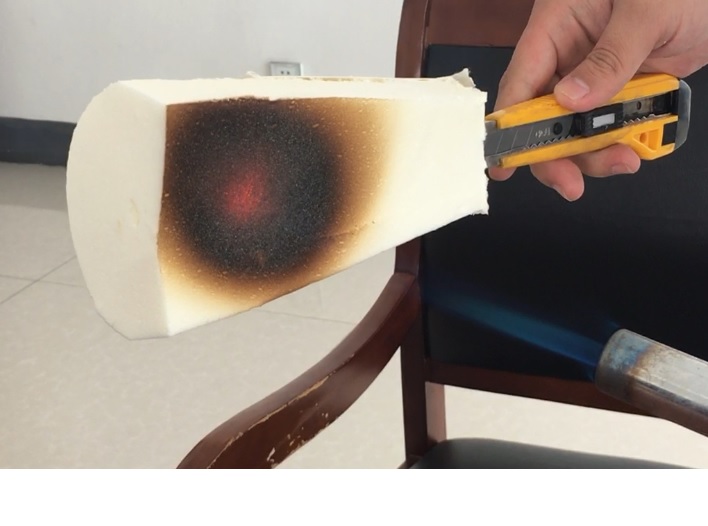
At the heart of our work lies a simple yet powerful belief: progress doesn’t have to come at the planet’s expense. We’re continuously exploring smarter materials and processes—often looking to nature itself for clues—to build solutions that are both effective and gentle on ecosystems. From energy-efficient designs to waste-reducing production, each step forward is measured by what it leaves behind.
What sets our approach apart is the refusal to choose between performance and responsibility. Whether it’s a biodegradable packaging concept or a water-saving technology, every idea is stress-tested for real-world viability and environmental impact. This isn’t just about checking boxes; it’s about rethinking how things are made, used, and regenerated—turning linear habits into circular systems that actually work.
You’ll see this commitment in small, thoughtful details—like adhesives derived from renewable sources or coatings that extend a product’s life without toxic additives. It’s innovation that doesn’t shout, but proves itself quietly day after day. Because when creativity and care run parallel, the result isn’t just a better product; it’s a healthier relationship between what we create and the world we live in.
The Shift Toward Cleaner Flame Retardants
For decades, flame retardants were synonymous with brominated and chlorinated compounds—chemicals that effectively slowed ignition but carried a heavy burden of environmental persistence and health concerns. These halogenated substances, once hailed as lifesavers in furniture, electronics, and building materials, have been increasingly scrutinized as studies linked them to endocrine disruption, developmental issues, and bioaccumulation in wildlife and humans. The pushback from consumers, regulators, and forward-thinking manufacturers has ignited a quiet revolution: a deliberate move toward cleaner, safer alternatives that don’t compromise fire safety.
This shift isn’t merely swapping one chemical for another; it’s a fundamental rethinking of how materials resist fire. Innovations now lean on phosphorus-based compounds, nitrogen synergists, and inorganic fillers like aluminum hydroxide, which work by releasing water vapor when heated or forming a protective char layer. Even more intriguing are bio-based solutions—chitosan from shellfish, lignin from wood, or proteins from milk—that are inherently flame-resistant without synthetic additives. Some manufacturers have gone further, designing inherently non-flammable polymers or using nanoscale barriers that halt combustion at the molecular level. The result is a new generation of products that meet rigorous flammability standards while being significantly less persistent and toxic.
Admittedly, the transition isn’t seamless. Cost, performance at extreme temperatures, and the slow grind of regulatory approval still pose hurdles. Yet the momentum is undeniable: major electronics brands are phasing out halogenated flame retardants, furniture makers are exploring natural fiber blends with intrinsic resistance, and green building certifications now reward materials with better toxicological profiles. What began as a niche concern has grown into an industry-wide reckoning, proving that safety and sustainability don’t have to be at odds. The road ahead is still being paved, but the direction is clear—toward a future where staying safe from fire doesn’t mean living with a lingering chemical legacy.
Tailoring Eco-Safe Protection for Modern Industry
Modern industry moves fast, but safety can’t be an afterthought. Tailoring eco-safe protection means designing solutions that fit the unique rhythm of each operation—whether it’s a quiet lab or a heavy manufacturing floor. We start by listening: understanding the specific risks, workflows, and sustainability goals that define a workplace. From there, protection isn’t just a barrier; it’s a seamless layer that respects both people and the planet.
Too often, industrial safety comes wrapped in single-use plastics or harsh chemicals that clash with environmental commitments. Our approach replaces that trade-off with materials that are renewable, recyclable, or biodegradable without compromising strength. It’s about creating gear that works as hard as the people wearing it—ventilated fabrics for high-heat zones, precision coatings that shed contaminants yet break down safely after use. Every piece is a small vote for a cleaner future.
What sets this apart is the refusal to treat eco-friendliness as a premium add-on. Protection tailored to real-world demands shouldn’t cost the earth—financially or ecologically. By embedding sustainable thinking into the design from day one, we cut waste, boost durability, and simplify compliance. The result? Workers feel the difference in comfort and clarity, while managers see it in reduced liability and a smaller environmental footprint.
Rethinking Fire Resistance from the Molecular Level
Fire resistance has long been approached through empirical methods—thick barriers, chemical coatings, and material blends that delay ignition. But at the molecular scale, the story changes. Polymers, for instance, degrade through chain scission and radical formation when heated. By redesigning the backbone chemistry, we can alter decomposition pathways, favoring char formation over volatile fuel release. This shift from macro-scale shielding to molecular engineering opens doors to inherently non-flammable materials that don't rely on additives that may leach or fade over time.
Consider the role of bond energies and thermal stability. A polymer rich in aromatic rings or ladder-like structures tends to absorb heat through endothermic rearrangements, creating a self-protecting carbonaceous layer. Researchers are now manipulating crosslinking densities and introducing intumescent chemistries at the monomer level, ensuring that when heat strikes, the material swells into an insulating foam rather than melting or dripping. Such precision wasn't possible with traditional trial-and-error formulations.
The ultimate goal is to embed fire resistance into the molecular blueprint itself, not as an afterthought. This means synthesizing materials where every repeating unit contributes to either thermal shielding, oxygen exclusion, or radical quenching. Early successes in bio-based polymers and hybrid organic-inorganic networks hint at a future where flammability is no longer a design constraint but a tunable parameter. The challenge remains scaling these concepts without compromising other mechanical or environmental properties, yet the path forward is clear: think small to solve the big problem of fire.
A New Standard in Sustainable Fire Protection
Fire safety solutions have long struggled to balance effectiveness with environmental responsibility. Traditional fire protection methods often rely on chemicals that deplete the ozone layer, persist in ecosystems, or pose health risks during and after suppression. A shift is underway, driven by advanced materials and smarter design. Today’s systems don’t just suppress flames—they integrate clean agents, minimal water usage, and recyclable components without sacrificing response time or coverage.
What sets this approach apart is a lifecycle perspective. Every component, from detection sensors to extinguishing media, is evaluated for its total environmental footprint. This includes manufacturing emissions, operational energy draw, and end-of-life disposal. The result is a family of products built around non-toxic, fast-degrading suppressants and hardware that can be easily refurbished, not replaced. Facilities adopting these solutions report lower insurance premiums, fewer regulatory headaches, and a measurable drop in chemical runoff into surrounding areas.
The real-world impact extends beyond compliance checklists. Architects and engineers now have the tools to design spaces where safety and sustainability coexist naturally. Schools, data centers, and heritage sites are early adopters, drawn to systems that cause zero collateral damage during activation. This isn’t a compromise—it’s a leap forward. By rethinking how we shield lives and assets from fire, we’re also protecting the air, water, and soil for decades to come.
FAQ
Unlike halogenated alternatives, halogen-free flame retardants do not release corrosive or toxic gases when exposed to high heat. This significantly reduces the risk of secondary harm to people and sensitive equipment during a fire, making them ideal for enclosed spaces.
The manufacturer employs a unique phosphorus-nitrogen synergy technology that forms a protective char layer more efficiently at lower temperatures. This not only halts flame spread faster but also allows for lower additive loading, preserving the host material's mechanical properties.
These retardants break down without forming persistent organic pollutants or bioaccumulative toxins. Their production and disposal have a smaller ecological footprint, and they support end-of-life recycling processes without releasing harmful dioxins or furans.
Key applications include automotive interiors, electrical and electronic casings, construction insulation, and public transport seating. For instance, their use in aircraft cabins helps meet stringent smoke density and toxicity regulations.
The product line is certified under RoHS, REACH, and UL 94 V-0 standards. Additionally, it meets the flame retardancy requirements of EN 45545 for railway applications and has received the GreenGuard Gold certification for low chemical emissions.
A rigorous in-house testing protocol simulates decades of thermal aging and multiple recycling cycles. Advanced compatibilizers are used to maintain UL 94 ratings without sacrificing the recyclability or appearance of the final polymer compound.
Current R&D focuses on bio-based flame retardants derived from renewable sources like lignin and chitosan. The team is also developing intumescent coatings with self-healing properties, aiming to extend the service life of fire-protective materials in harsh environments.
By eliminating halogen elements, the combustion byproducts are primarily water vapor, carbon dioxide, and a stable char. This sharply lowers the release of carbon monoxide and irritant gases, which are the primary cause of incapacitation in smoke-filled fires.
Conclusion
The push to move beyond halogens in fire safety has accelerated as evidence mounts about their environmental and health impact. A pioneering manufacturer is leading this change by developing flame retardants that deliver robust protection while drastically reducing ecological harm. Their work unites chemical innovation with a genuine respect for natural systems, creating additives that break down without leaving persistent toxic residues. By challenging decades-old assumptions about how materials resist fire, the company helps industries shift toward cleaner, more responsible formulations. This evolution is not driven solely by regulation—it’s fueled by a conviction that fire safety should never endanger the world it aims to protect.
The re‑engineering begins at the molecular level, where flame‑quenching mechanisms are reinvented to avoid halogen chemistry altogether. These new formulations are then precisely tailored for the unique demands of electronics, building materials, transportation, and countless other sectors. Instead of offering generic products, the manufacturer collaborates closely with clients to integrate eco‑safe protection into their specific manufacturing processes, ensuring both high performance and compatibility with recycling streams. The result is a fresh standard for sustainable fire protection—one where innovative science, industrial practicality, and environmental care converge to build a truly circular model of safety. It’s a quiet revolution that proves fire resistance does not require compromising the health of ecosystems or communities.
Contact Us
Contact Person: Guohua Wang
Email: [email protected]
Tel/WhatsApp: 8613003442895
Website: https://www.xxflameretard.com