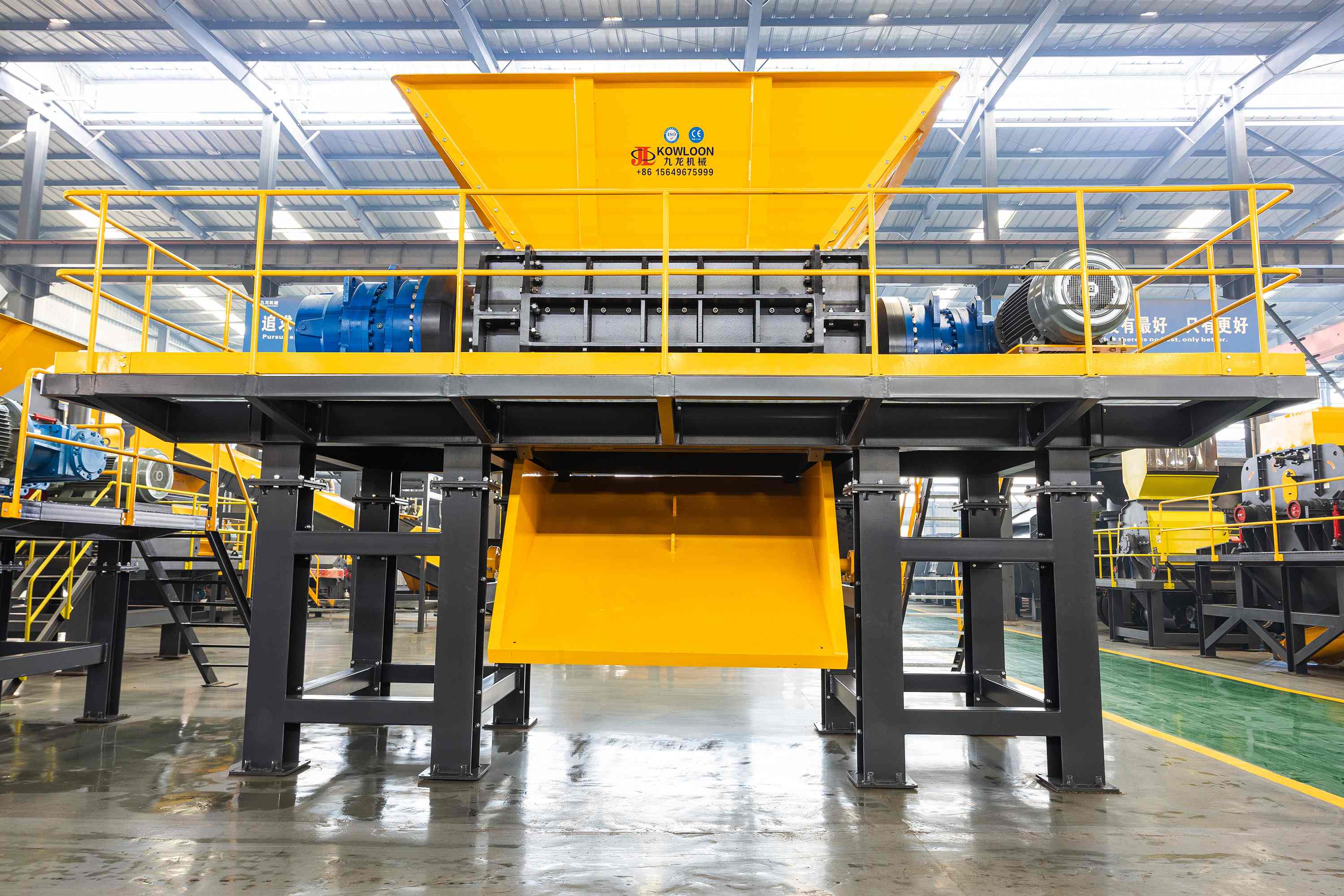

Metal Crusher Manufacturer: How to Select Reliable Recycling Solutions
2026-05-15
Choosing the right metal crusher manufacturer can make or break your recycling operation—inefficient equipment leads to costly downtime and missed recovery targets. With demand for sustainable metal processing on the rise, knowing what to look for in a partner is critical. This guide walks you through key factors, from build quality to after-sales support, and highlights why Kowloon Machinery stands out as a trusted name in reliable recycling solutions.
Looking Beyond the Price Tag: What Separates Top-Tier Metal Crushers
Initial cost often grabs attention, but the true measure of a metal crusher lies in its engineering backbone. Top-tier machines employ precision-balanced rotors and hardened alloy hammers that resist deformation under extreme stress. This design philosophy ensures consistent particle size output and minimizes unplanned downtime, translating to a steady throughput that budget models simply can't match over years of punishing use.
Another differentiator is how these machines handle varied feed materials. Instead of stalling on mixed scrap or oddly shaped components, premium crushers integrate smart feed systems and adaptive power controls. They automatically adjust torque and speed, protecting the drive train from sudden overloads. This proactive defense means less wear on bearings and shafts, keeping repair costs surprisingly low despite round-the-clock operation in tough recycling environments.
Maintenance accessibility also separates the best from the rest. While cheaper units often require tedious disassembly just to reach a worn liner, elite crushers feature swing-away doors, hydraulic opening systems, and modular wear components that can be swapped in half the time. That deliberate simplicity in service routines turns scheduled upkeep into rapid pit stops rather than prolonged production losses, ultimately redefining the machine's long-term value far beyond its sticker price.
The Role of Built-to-Last Engineering in High-Volume Recycling
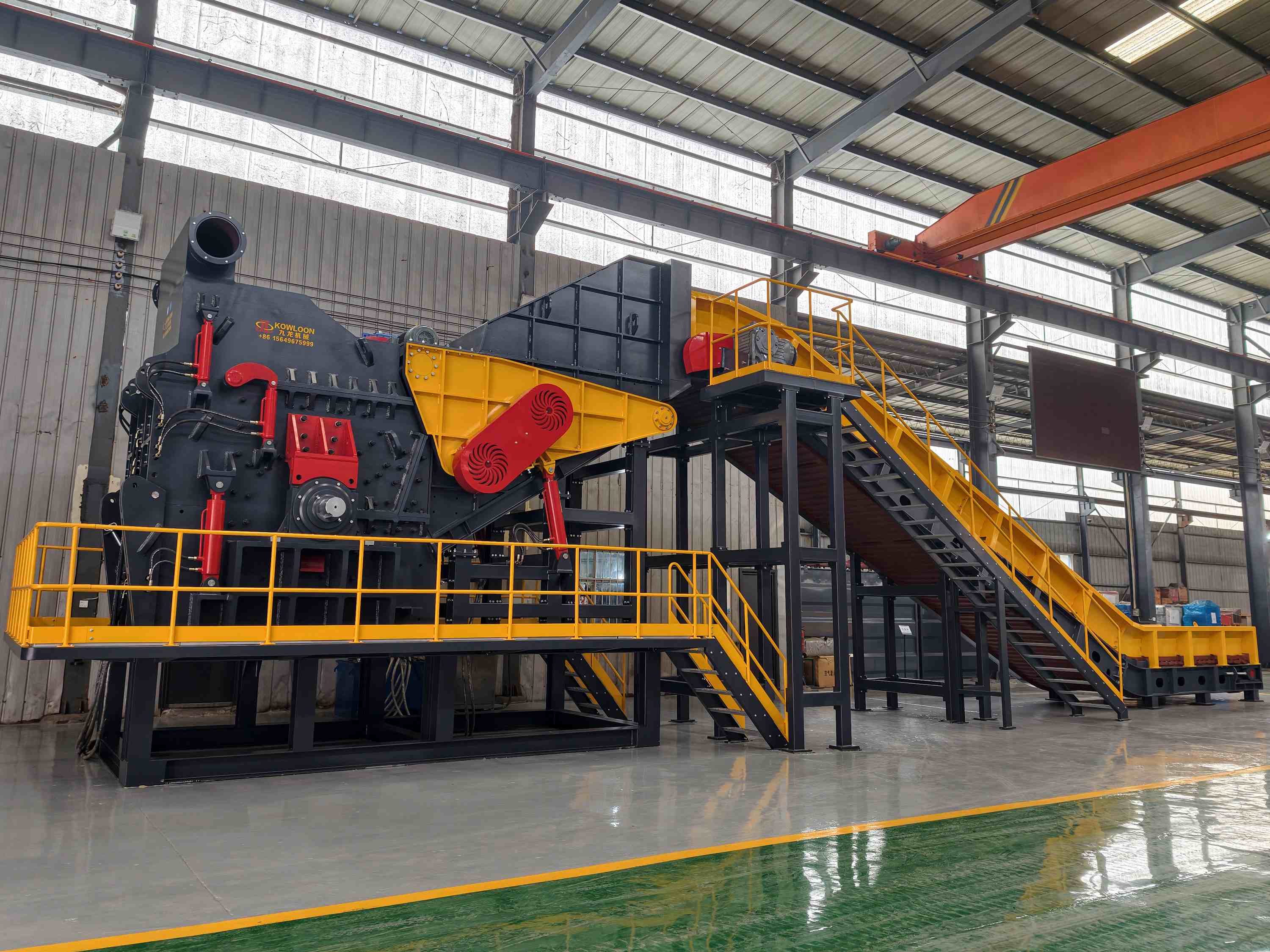
Durability has always been at the heart of meaningful product design, but when it intersects with high-volume recycling streams, it becomes something more profound—an enabler of circular systems rather than a barrier. Built-to-last engineering challenges the throwaway logic that dominates fast-moving consumer goods, insisting that components, materials, and assemblies can withstand repeated use cycles without degrading in ways that make recovery difficult. The real magic happens when engineers design for both longevity and eventual disassembly: snap fits that can be separated cleanly, material choices that avoid problematic laminates, and structural reinforcements that don't compromise sortability. In recycling facilities processing mountains of post-consumer goods everyday, these design decisions determine whether a product becomes a valuable secondary raw material or just another contaminant in the waste stream.
High-volume recycling infrastructure thrives on predictability, and built-to-last engineering introduces a kind of intentional consistency that industrial sorting systems recognize. When standardized, durable components enter the recycling chain, optical sorters and density baths can calibrate themselves more effectively, boosting both throughput and purity rates. This goes beyond simply using recyclable materials—it's about creating a reliable pattern that equipment can learn. Imagine a sturdy polypropylene container that doesn't shatter into a dozen fragments when compressed; its intact state maintains a signature that near-infrared sensors read accurately, whereas a fragile alternative might splinter into unrecognizable debris. The economic implications are real: clean material fractions command higher market prices, and facilities waste less energy trying to separate mixed plastics that have broken down prematurely.
But perhaps the most overlooked aspect is how built-to-last thinking shifts responsibility back to the production phase, reducing the burden on overstrained waste management systems. When products remain functional and identifiable through multiple life cycles, they enable reuse and remanufacturing loops that are far more resource-efficient than mechanical recycling alone. A well-engineered casing or cartridge that retains its structural integrity can be refurbished and reintroduced into the market, delaying the moment it enters the shredder. This approach demands that manufacturers think beyond single-use economics and embrace material stewardship—designing items that serve their primary purpose impeccably while also being prime candidates for secondary applications. In a sector where margins are tight and contamination is costly, built-to-last engineering isn't just a philosophy; it's a practical lever for making high-volume recycling economically viable and technically feasible.
Decoding Manufacturer Claims: Questions You Should Be Asking
When a manufacturer promises exceptional durability or groundbreaking performance, it’s tempting to take those assertions at face value. Yet, the fine print often reveals a more nuanced story. Instead of simply nodding along, start by asking how the claim was tested. Was it under controlled lab conditions or in real-world scenarios that match your daily use? Digging into the testing methodology separates marketing fluff from meaningful evidence. A little curiosity here can save you from costly disappointment later.
Claims about sustainability or “eco-friendly” materials deserve extra scrutiny. Terms like “biodegradable” or “recycled content” sound reassuring, but without specifics, they’re hollow. Ask for certifications from independent bodies and check if those certifications cover the entire product or just a single component. Genuine transparency includes the percentage of recycled materials and the expected breakdown timeline, not just a green label slapped on the packaging.
Finally, pay attention to what’s not being said. A boast about a product’s speed or efficiency might omit crucial limitations, like optimal conditions that rarely exist in real life. Probe the warranty details—is full coverage offered, or do carve-outs leave you unprotected when it counts? Customer reviews and third-party benchmarks often fill the gaps that polished advertisements leave behind. The right questions turn vague promises into verifiable facts, helping you spend wisely.
Tailored Solutions: Why One-Size-Fits-All Crushers Fall Short
Standard crushers are designed with a broad range of applications in mind, but they rarely address the specific challenges faced in niche industries. Whether you're processing abrasive granite or delicate electronic waste, material characteristics like hardness, moisture content, and feed size vary dramatically. A machine optimized for high-volume limestone simply can't maintain efficiency when crushing reinforced concrete, leading to excess wear, inconsistent output, and hidden costs that accumulate over time.
Different worksites also impose unique constraints that off-the-shelf solutions ignore. Space limitations in urban demolition projects require compact footprints, while remote quarry operations demand fuel-efficient engines and simplified maintenance. Conveyor placements, dust suppression needs, and final product specifications further differentiate one setup from another. Relying on a generic crusher often forces operators into frustrating compromises, such as secondary processing steps or excessive downtime for adjustments not intended for their workflow.
Custom-engineered crushers invert this dynamic by starting with the end goal and working backward. By matching rotor diameters, chamber geometries, and screening systems to your exact input material and desired gradation, a tailored solution cuts energy use and extends component life. This approach also simplifies training and safety compliance, because the machine acts as an integrated part of your process instead of a disruptive foreign element. In practice, the initial investment in customization is quickly offset by higher throughput and fewer unexpected failures.
After the Sale: Support Networks That Minimize Downtime
The period following a purchase often determines how reliably equipment performs over its lifespan. A robust support network acts as the backbone of sustained productivity, transforming what could be prolonged stoppages into brief, manageable interruptions. Instead of leaving businesses to troubleshoot alone, an effective post-sale framework ensures that expertise is always within reach, reducing the crippling costs of idled operations.
Minimizing downtime hinges on the seamless orchestration of local service hubs, remote diagnostics, and a well-stocked parts supply. When a fault arises, on-the-ground engineers can be dispatched swiftly, supported by offsite specialists who analyze data in real time. This layered approach catches problems early—often before they escalate—and keeps repairs focused and fast. Such synergy means that a production line’s rhythm is disturbed as little as possible, preserving both output and deadlines.
Consider a packaging facility where a critical machine fails during peak season. With a support network designed for rapid response, a nearby technician arrives within hours, guided by pre-downloaded error logs. The correct replacement part, already earmarked in regional stock, cuts repair time by half compared to generic service models. Beyond immediate fixes, ongoing health checks and tailored advice help the facility avoid repeat issues, embedding resilience into everyday workflows.
From Scrap to Resource: Assessing Throughput and Material Purity
Turning scrap into a valuable resource demands a clear-eyed look at how much material actually moves through a facility and how clean the output truly is. Throughput goes beyond simple tonnage—it captures the speed, consistency, and efficiency of sorting and processing lines under real-world conditions. A line that handles a high volume but suffers frequent jams or erratic feed rates rarely delivers on its promise. The real benchmark is whether systems sustain target output hour after hour while minimizing downtime, all without letting contaminants slip through.
At the same time, material purity often becomes the quiet indicator of a plant's overall health. Recovered fractions might look acceptable at a glance, but downstream users notice when glass, paper, or different polymer types appear where they shouldn’t. Purity isn’t just a lab metric—it influences buyer trust, resale value, and the viability of entire recycling loops. Even minor shifts in incoming scrap composition can upset separation settings, so regular sampling and honest reporting keep the process honest and reveal gradual drift before it becomes rejection. Achieving consistent, high-purity output often means tuning screen angles, air classifiers, and optical sorters to a point where manual picks become the rare exception.
Linking throughput with purity exposes a tension that no recycling plant can afford to ignore: pushing too hard for volume usually erodes quality, while over-focusing on cleanliness can choke capacity. Smart facilities measure both together, tracking contamination rates at each separation stage and correlating them with line speed. When the data shows a drop in purity at higher throughputs, technicians know they’ve hit a limit and need to adjust—perhaps by adding a density separation step or refining the shredding profile to produce more uniform particles. This feedback loop, built on actual numbers rather than assumptions, turns scrap handling from a guessing game into a controlled resource recovery system where every decision gets grounded in material evidence.
FAQ
Metal crushers vary from hammer mills for brittle metals to shear shredders for ductile materials like aluminum and copper. Selecting the right type depends on the metal's hardness, shape, and desired output size. For example, a vertical crusher works well for car bodies, while a horizontal one suits bulky scrap.
Durability hinges on the build quality and materials used. Look for high-grade steel construction, reinforced rotor shafts, and wear-resistant liners. Ask for maintenance logs or case studies from existing users. A thorough inspection of welds and bearing housings can also reveal long-term reliability.
Essential safety features include emergency stop buttons, overload protection systems, and safety interlocks on access doors. Dust suppression and noise reduction measures are also critical for workplace health. Ensure the machine complies with local safety standards and has clear warning labels.
Consider your daily processing volume and peak demand. Crusher capacity is usually measured in tons per hour. It's wise to choose a unit with slightly higher capacity than your current needs to allow for growth. Factor in downtime for maintenance and the variability of incoming scrap.
Yes, but it requires a versatile design. Machines with adjustable grate sizes and interchangeable screens can process mixed metals effectively. Pre-sorting might still be needed to remove contaminants like plastics or rubber, which can damage the crusher or reduce output purity.
Reliable manufacturers offer installation guidance, operator training, and readily available spare parts. Check if they provide on-site service within a reasonable timeframe and have a responsive technical support team. A solid warranty covering major components is also a sign of confidence in their equipment.
Energy consumption varies widely. Modern crushers often feature variable frequency drives and optimized rotor geometries to reduce power use. Compare the kilowatts per ton of processed material between models. An efficient machine will lower operating costs and environmental impact over time.
Beyond energy efficiency, look for dust collection systems and noise enclosures to minimize pollution. Some crushers can also integrate with downstream separation technologies to improve metal recovery rates, reducing landfill waste. Compliance with emission regulations is a must.
Conclusion
When investing in a metal crusher, the cheapest option rarely delivers long-term value. Top-tier machines stand apart through design decisions that prioritize wear resistance, energy efficiency, and precision cutting geometry. Heavy-duty frames and oversized bearings aren't marketing fluff—they determine whether a crusher can sustain 24/7 operations without cracking or misalignment. Savvy buyers push past glossy brochures by asking pointed questions: How thick are the wear liners? What’s the actual throughput on mixed scrap, not just clean aluminum? Can the manufacturer provide references from facilities handling similar materials? These conversations quickly reveal which suppliers truly understand the demands of high-volume recycling.
Beyond the sale, the right partner helps you avoid costly downtime. Standardized designs often struggle with unusual feedstocks or space constraints, which is why custom-configured infeed systems, discharge options, and rotor configurations matter. After installation, responsive technical support and readily available spare parts keep production moving. Ultimately, the machine must prove itself in the numbers: consistent throughput rates and the purity of the recovered material define success. A crusher isn’t just a cost—it’s the heart of a scrap-to-resource process, and selecting it carefully pays dividends across your operation.
Contact Us
Contact Person: Ray
Email: [email protected]
Tel/WhatsApp: +86 13733817580
Website: https://www.zzkowloon.com/