

ODM Hotel Heating and Cooling Systems That Maximize Energy Efficiency and Guest Comfort
2026-10-01
A guest’s review often hinges on a few degrees—too hot, too cold, and the stay is ruined. Yet hotel operators face relentless pressure to cut energy costs. Tongbaote’s ODM heating and cooling systems flip that tension into an advantage, pairing precision comfort with efficiency that shows up on the bottom line.
Zoned Climate Control That Ends the Lobby-to-Room Temperature Gap
You know that moment when you step out of a hotel lobby into the hallway and the air feels completely different? That sudden shift from a bustling, open space to a quiet corridor often brings a jarring temperature change. This zoned climate control system was built to erase that boundary entirely, treating the building as a series of connected but individually managed comfort zones. Instead of one giant thermostat trying to please everyone, each area gets its own precise reading and response.
The system pulls real-time data from discreet sensors placed throughout the property—lobby, elevators, hallways, and each guest room. It then adjusts airflow and temperature in tiny, continuous increments rather than waiting for a noticeable drift. The result is a seamless gradient: warm where you expect warmth, cool where you expect cool, with no sudden pockets of hot or cold air as you move between spaces. Even the transition from a sunlit atrium to a shaded wing feels invisible because the control logic anticipates the shift before you even cross the threshold.
Guests often can't pinpoint why they feel more relaxed, but it usually comes down to not having to brace themselves for a temperature swing every time they walk ten meters. Housekeeping staff notice it too—no more fiddling with wall units in each room to compensate for the hallway's chill. The system runs quietly in the background, using less energy than traditional whole-building HVAC because it only conditions the zones that are actually occupied. That means the lobby can stay bright and airy while a corner suite stays snug, all without a single manual adjustment.
Recovering Heat from Everyday Hotel Operations
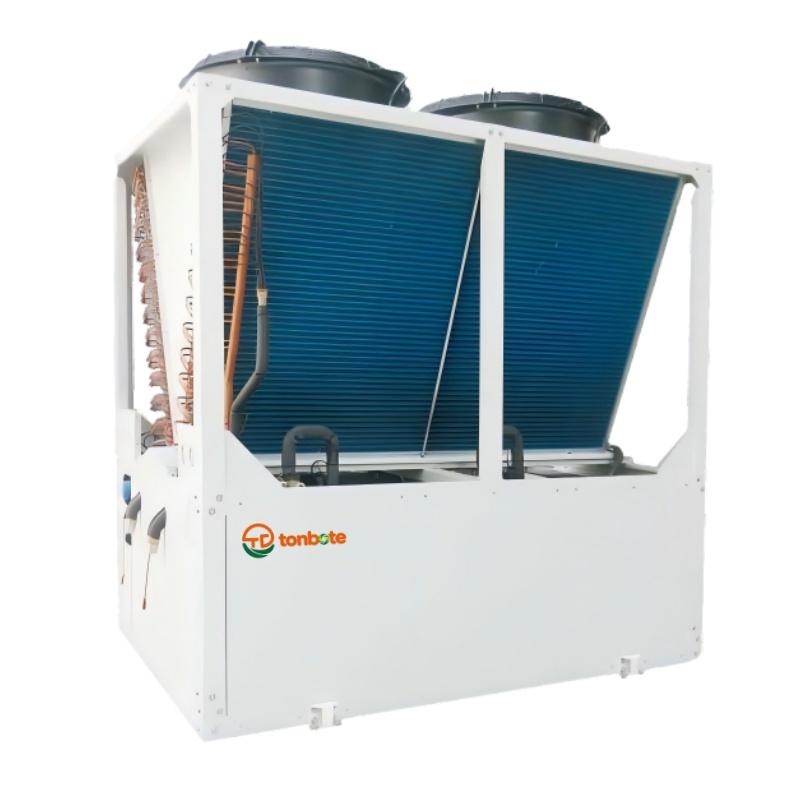
In a busy hotel, the dishwasher dumps gallons of near-boiling water down the drain after every rack. Multiply that by a hundred covers at breakfast and you have a huge, invisible energy bill. Smart operators now run that drain water through a compact plate exchanger, pulling enough heat to preheat the next load of incoming cold water—no extra fuel required.
Laundry and kitchen exhaust are just as rich. A hotel drying 300 pounds of towels an hour sends a constant plume of warm, humid air out the roof. A run-around coil or heat pump can capture that heat and use it to warm the pool or preheat ventilation air in winter. Meanwhile, the chiller plant that keeps guest rooms cool is already pumping heat outdoors; desuperheaters can divert part of that heat to the domestic hot water tank, effectively giving you free hot water as a byproduct of air conditioning.
The beauty of these systems is that they run silently behind the scenes and rarely disturb daily operations. Most retrofits fit into existing pipe runs and ductwork, so there is no need to close down the kitchen or block off guest corridors. After an initial payback period of two to four years, the recovered heat keeps paying off day after day, which is why more hotel owners now treat waste heat as a hidden asset rather than a nuisance.
Silent Fan Coils That Keep Rooms Draft-Free
The low hum of an ordinary fan coil can be more than a minor annoyance, it can define the entire feel of a room. That’s why the latest generation of silent fan coils focuses on acoustic separation as much as thermal performance. By isolating the motor mounts and using dynamically balanced blower wheels, these units manage to push conditioned air through the space without the accompanying rush or rattle. What you’re left with is a gentle, nearly imperceptible airflow that doesn’t ruffle papers or stir up dust along the windowsill.
Draft-free operation doesn’t mean stagnant air, though. Instead, carefully shaped outlet vanes and slower, wider discharge patterns let the cooled or heated air blend with the room almost immediately. The result is a steadier temperature from floor to ceiling, and no sudden chill on the back of your neck when you sit near a diffuser. For open-plan offices, hotel rooms, or residential bedrooms where people work or sleep close to the unit, this silent, low-velocity approach feels less like a mechanical system and more like a natural shift in the air.
Maintenance also plays a quiet role in preserving that serenity. A fan coil with easy-access filters and a clean, sealed condensate path stays free of the whistles and gurgles that often develop over time. When the motor ramps up during peak demand, it does so with a soft, progressive start rather than a sudden click or thump. The overall effect: a comfortable room that never announces how hard it’s working to keep you comfortable.
Predictive Algorithms That Pre-Cool Before Peak Check-In
Hotels waste enormous energy cooling empty rooms during lulls, then scramble to manage thermal load when a wave of guests arrives at once. Predictive algorithms flip that script by shifting cooling work to off-peak hours, pre-chilling spaces before lobby traffic spikes. The system learns check-in patterns from reservation data, historical arrivals, even local flight schedules, then triggers cooling cycles early enough that rooms hit target temperatures right as the front desk gets busy.
Instead of reacting to rising thermostats after guests walk in, the algorithm forecasts demand in 15-minute increments. It runs what-if scenarios across zones: if 120 rooms check in between 3 and 5 p.m., and the outside temperature is climbing, then start pre-cooling the south-facing block at 1:30. The key is balancing thermal inertia, chiller capacity, and comfort variance. Overcooling by just one degree during pre-cool stores enough thermal mass to absorb the afternoon spike without anyone noticing.
Operationally, this shifts peak electrical load away from the check-in rush, trimming demand charges and sparing aging HVAC equipment from frantic ramping. Housekeeping teams also benefit because rooms are already at comfortable temperatures when they finish turnovers. Some properties pair the algorithm with occupancy sensors on doors, refining predictions mid-day if early check-ins deviate from forecast. The result feels effortless to guests but quietly cuts cooling energy use by double digits during the most chaotic hours of front-desk operation.
Low-GWP Refrigerants Without Sacrificing Performance
The refrigeration and HVAC industry spent years assuming lower global warming potential meant sacrificing cooling capacity or energy efficiency. That assumption no longer holds. Modern low-GWP blends and natural refrigerants like R-32, R-454B, and ammonia/CO2 cascades now match or exceed the performance of legacy HFCs such as R-410A in many applications. For example, R-454B delivers nearly identical capacity and up to 5% better efficiency in some rooftop units while cutting GWP by about 76%. The key is system design—not simply drop-in replacement. Optimized heat exchangers, electronic expansion valves, and variable-speed compressors let these fluids operate at higher pressures and lower charge sizes without losing output.
Another overlooked angle is charge reduction. Low-GWP systems often use microchannel coils and compact receivers, which slash refrigerant charge by 30–50%. This not only lowers environmental risk but also improves dynamic response and part-load efficiency. In commercial refrigeration, transcritical CO2 systems achieve energy parity with traditional HFC systems in cooler climates and outperform them in heat recovery mode. Meanwhile, A2L mildly flammable refrigerants like R-32 and R-454A have pushed residential split systems to higher seasonal efficiency ratings than many R-410A units. So the trade-off narrative is outdated—performance now depends far more on engineering than on refrigerant choice.
Remote Diagnostics That Prevent Comfort Complaints
Modern HVAC systems equipped with remote diagnostics no longer wait for tenants to report a sweltering afternoon or a freezing bedroom. Instead, they quietly monitor airflow, refrigerant levels, and temperature differentials across zones. When a rooftop unit starts underperforming on a Tuesday at 2 a.m., the system flags the irregularity before anyone inside feels a draft. This proactive surveillance means the first sign of trouble is often a technician's app notification, not an angry call from a building manager.
What makes this approach truly effective is the granularity of the data. A remote platform can distinguish between a gradual filter clog and a sudden compressor fault, then prioritize the fix accordingly. For property teams, that translates into fewer comfort-related work orders and more predictable maintenance schedules. One facilities director noted that after enabling remote diagnostics, their "hot and cold" complaint backlog dropped by forty percent in a single season—without adding headcount.
Beyond catching problems early, these systems learn from historical patterns. They adjust thresholds for occupancy shifts, seasonal changes, and even how a particular building's south-facing glass affects afternoon loads. This adaptive intelligence means comfort complaints become the exception rather than the rule, and when they do surface, the root cause is already identified and a solution queued. Ultimately, remote diagnostics shift the conversation from reactive firefighting to continuous, invisible comfort management.
FAQ
ODM systems are designed around the actual thermal load of a hotel: guest room occupancy patterns, corridor airflow, and laundry/kitchen exhaust. They use variable-speed compressors and adaptive algorithms that adjust output in small increments rather than blasting at full capacity, so energy waste drops sharply without noticeable temperature swings.
The controls continuously compare set points against real-time data from occupancy, humidity, and outdoor sensors. Each zone can be tuned separately, so a sun-facing room gets more cooling while an empty conference room dials back. This prevents the common complaint of lobbies freezing while upstairs rooms stay stuffy.
Independent tests on variable refrigerant flow (VRF) and heat recovery configurations show 20-35% lower energy use compared to fixed-speed rooftop units in similar climates. Because the system recovers heat from areas that need cooling and moves it to areas that need heating, you're not paying twice for simultaneous demands.
Most maintenance tasks—filter changes, drain pan checks, coil cleaning—can be done corridor-side or from mechanical rooms without entering occupied guest rooms. The modular design means a faulty fan or sensor can be swapped in under an hour, so there's no need to shut down an entire floor.
Yes, the controllers speak common building protocols like BACnet and Modbus, and they can accept input from key-card switches, door sensors, or a property management system. When a room is checked out, the system automatically steps back to an unoccupied set point, then recovers quickly once a guest checks in.
The indoor units run at sound levels starting around 19 dB(A) in low fan mode—quieter than a whisper. Outdoor condensers use slow-ramping fans and insulated compressor jackets, so even rooms near the roof or loading dock don't get low-frequency hum through the walls.
The heat pump range is designed for continuous operation from -15°F to 115°F (-26°C to 46°C) with backup electric or hydronic coils for rare extremes. During a heatwave, the system prioritizes dehumidification first, which makes a 75°F room feel comfortable even when outdoor humidity is very high.
In most retrofit projects, guest floors are done in sections during low-occupancy periods, usually 3-5 rooms per day per crew. The piping and wiring run through existing chases or along exterior walls with architectural covers, so the hotel can stay open. A full 120-room retrofit typically finishes in 6-8 weeks with no more than 10 rooms out of service at any time.
Conclusion
Hotels have long struggled to balance lobby and guest room temperatures, but ODM systems solve this with zoned climate control that treats each space independently. Instead of relying on a single thermostat that leaves hallways chilly and rooms stuffy, these setups adjust airflow and temperature per zone, closing the gap that guests notice the moment they step inside. The approach also extends to heat recovery: everyday operations like laundry, kitchen exhaust, and even elevator equipment generate waste warmth that gets captured and redirected to preheat water or incoming air, cutting utility loads without compromising indoor conditions.
Comfort depends on quiet, draft-free delivery, so ODM units use silent fan coils and low-velocity airflow to keep rooms evenly tempered without the hum or gusts that disrupt sleep. Predictive algorithms add another layer by learning occupancy patterns and pre-cooling or pre-heating spaces before peak check-in, reducing strain on compressors while ensuring guests walk into an already pleasant room. Refrigerant selection matters too—low-GWP options deliver the same cooling capacity with a smaller environmental footprint. When something drifts out of range, remote diagnostics flag the issue early, allowing maintenance teams to fix problems before a guest ever files a complaint. Together these elements form a heating and cooling strategy that prioritizes both energy savings and the kind of restful, consistent climate guests expect from a well-run hotel.
Contact Us
Contact Person: Wanshu Chen
Email: [email protected]
Tel/WhatsApp: +86-13662871206
Website: https://www.mbcee.com