

Oil-immersed transformer manufacturer: Top 5 tips for efficient power distribution solutions.
2025-12-30
Welcome to the world of efficient power distribution! In today's fast-paced industrial landscape, ensuring reliable and cost-effective energy management is paramount. As an oil-immersed transformer manufacturer, we at Lugao understand the critical role these transformers play in delivering stable power across various sectors. In this blog post, we'll dive into the top five tips for optimizing your power distribution solutions with oil-immersed transformers. From enhancing durability to improving energy efficiency, these insights will help you make informed decisions that drive performance and reduce operational costs. Whether you're upgrading an existing system or planning a new installation, join us as we explore practical strategies to elevate your power distribution game. Let's get started on the path to smarter, more reliable energy solutions!
Selecting the Right Oil Type for Your Transformer's Performance
When it comes to transformer maintenance, the choice of oil isn't just a routine decision—it can dramatically impact efficiency and longevity. Different oils, like mineral, silicone, or esters, offer unique advantages depending on environmental conditions and electrical demands. For instance, if your transformer operates in a high-temperature setting, a synthetic oil with superior thermal stability might be the key to preventing breakdowns and reducing wear.
Beyond basic performance, selecting the right oil involves balancing cost-effectiveness with specialized needs. While mineral oils are often more affordable, natural ester oils provide enhanced fire safety and biodegradability, making them a smart choice for eco-sensitive areas or indoor installations. It's worth consulting with manufacturers or conducting lab tests to match the oil's properties, such as oxidation resistance and moisture tolerance, to your specific operational challenges.
Ultimately, a tailored approach to oil selection can lead to improved insulation, reduced energy losses, and fewer maintenance interruptions. By evaluating factors like load cycles, ambient temperatures, and regulatory requirements, you ensure your transformer not only runs smoothly but also adapts to future demands, safeguarding your investment over the long term.
Implementing Regular Maintenance Schedules to Extend Lifespan
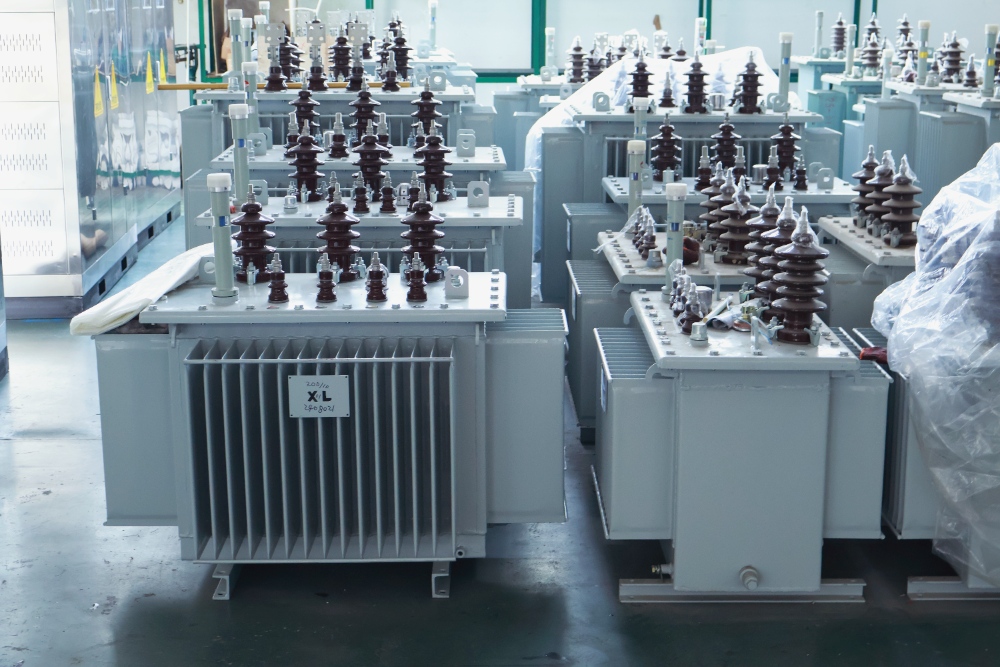
One of the most effective ways to keep your equipment or systems running smoothly for years is by sticking to a regular maintenance schedule. This isn't just about fixing things when they break; it's about proactive care that catches small issues before they turn into costly failures. For instance, in a home HVAC system, changing filters every few months might seem minor, but it prevents dust buildup that strains the motor, ultimately extending its life and saving you money on repairs or replacements down the line. By making maintenance a routine part of your operations, you create a buffer against unexpected downtime and ensure everything operates at peak efficiency.
Different types of equipment require tailored approaches to maintenance, so it's essential to customize schedules based on usage patterns and manufacturer recommendations. A car, for example, needs oil changes every few thousand miles to keep the engine lubricated and prevent wear, while heavy machinery in an industrial setting might need daily inspections and weekly calibrations. The key is to document these routines clearly—using checklists or digital tools can help track when tasks were last performed and what needs attention next. This personalized strategy not only prolongs lifespan but also enhances safety and performance, giving you peace of mind that your investments are well-protected.
In the long run, implementing regular maintenance pays off in more ways than one. It reduces the likelihood of sudden breakdowns that can disrupt workflows or cause safety hazards, and it often leads to lower overall operating costs by minimizing the need for expensive emergency repairs. Think of it like tending to a garden: consistent weeding and watering yield healthier plants year after year. By embracing a culture of preventive care, whether for your vehicle, appliances, or business infrastructure, you're not just extending lifespan—you're building a foundation for reliable, sustainable performance that stands out in today's fast-paced world.
Optimizing Insulation Materials for Enhanced Safety and Efficiency
Advancements in insulation technology are increasingly focused on materials that not only improve thermal performance but also prioritize safety concerns. By fine-tuning compositions and manufacturing processes, researchers are developing solutions that reduce fire hazards and enhance durability in harsh environments. This dual approach ensures buildings and industrial systems operate more reliably while minimizing risks associated with traditional insulation options.
In real-world applications, optimized insulation contributes significantly to energy savings by maintaining stable indoor temperatures with less reliance on heating or cooling systems. From eco-friendly residential projects to large-scale commercial facilities, these materials help cut operational costs and lower carbon footprints. Their adaptability across various climates and settings makes them a practical choice for modern construction demands.
Beyond immediate benefits, ongoing innovation in this field explores novel materials like aerogels and phase-change substances, which offer superior insulating properties without bulk. These developments pave the way for lighter, more efficient structures that align with global sustainability goals, highlighting how material science continues to evolve for better safety and efficiency outcomes.
Integrating Smart Monitoring Systems for Real-Time Power Management
By integrating smart monitoring systems into power management frameworks, organizations can achieve unprecedented transparency and control over their energy usage. These systems leverage advanced sensors, IoT devices, and data analytics to continuously track electricity consumption across various points in real-time. This allows for swift identification of inefficiencies, such as equipment malfunctions or unnecessary power drains, enabling proactive interventions before they escalate into costly issues. The result is not just reduced operational expenses but also enhanced reliability and sustainability, as resources are allocated more intelligently and wastage is minimized.
Moreover, real-time power management facilitated by these smart systems empowers businesses to adapt dynamically to changing conditions. For instance, during peak demand periods, the system can automatically adjust settings or temporarily reduce non-critical loads to avoid strain on the grid and prevent potential outages. This agility supports compliance with energy regulations and helps in meeting corporate environmental goals, making it a valuable tool for industries ranging from manufacturing to commercial buildings.
Beyond immediate cost savings, the integration fosters a culture of data-driven decision-making. By providing actionable insights and predictive analytics, smart monitoring systems allow managers to optimize long-term strategies, such as scheduling maintenance during off-peak hours or investing in energy-efficient upgrades. This holistic approach transforms power management from a reactive task into a strategic asset, driving innovation and competitive advantage in an increasingly energy-conscious world.
Designing Cooling Mechanisms to Prevent Overheating Issues
Ever wondered why some gadgets feel like they're about to burst into flames while others stay cool under pressure? It all comes down to smart cooling design. Engineers tackle overheating by integrating solutions like heat sinks, which absorb and dissipate heat, and fans that circulate air to keep things breezy. These mechanisms aren't just add-ons; they're essential for maintaining performance and extending device lifespans, turning potential meltdowns into smooth operations.
Beyond standard methods, innovative approaches are making waves. For instance, liquid cooling systems, often seen in high-end computers, use coolants to whisk heat away more efficiently than air alone. In smartphones, phase-change materials can absorb excess heat during peak usage, preventing thermal throttling. These designs not only prevent overheating but also enhance user experience by keeping devices responsive and safe, proving that a little creativity goes a long way in cooling tech.
Designers must also consider real-world scenarios, like how a laptop performs on a warm day or in a cramped bag. By using thermal sensors and adaptive controls, systems can adjust cooling on the fly, optimizing energy use without compromising safety. This proactive approach ensures that devices adapt to their environment, making overheating a rare headache rather than a common nuisance. It's all about building resilience from the ground up.
Customizing Transformer Specifications to Match Grid Demands
In today's power landscape, transformers need to do more than just convert voltage—they must adapt to fluctuating grid demands. Customizing their specifications means designing units that can handle variable loads, integrate with renewable energy sources, and respond to real-time grid conditions. This approach ensures transformers remain efficient and reliable, even as energy consumption patterns shift.
By tailoring factors like capacity ratings and insulation systems, engineers can create transformers that are specifically optimized for local or regional grids. For example, a transformer in an area with high solar penetration might require enhanced cooling and protective features to deal with intermittent power flows. Such customization not only boosts performance but also extends the equipment's lifespan under unique operational stresses.
Looking deeper, this customization often involves using advanced materials and smart technologies to enhance monitoring and control capabilities. Transformers can be equipped with sensors and communication modules to relay data back to grid operators, enabling proactive maintenance and adjustments based on actual demand. This level of adaptability makes them critical components in building resilient and future-ready power networks.
FAQ
Look for transformers with high efficiency ratings, robust design for your climate conditions, and compliance with local electrical standards. Also, consider the manufacturer's reputation for durability and after-sales support, as these impact long-term reliability.
Regular maintenance is crucial—schedule oil testing and degassing to prevent insulation breakdown, keep cooling systems clean, and monitor load levels to avoid overheating. Using high-quality insulating oil and installing surge protectors can also extend lifespan.
Opt for transformers with modular designs that allow easy capacity upgrades later. Consider retrofitting older models with modern monitoring systems instead of full replacements, and explore energy-efficient options that reduce electricity bills over time.
Avoid improper siting in damp or dusty areas, failing to secure proper ventilation, and neglecting to calibrate protective relays. Also, ensure the foundation is level and stable to prevent mechanical stress and oil leaks.
Yes, they can be adapted with smart grid technologies. Choose models with dynamic load-handling capabilities and consider adding harmonic filters to manage voltage fluctuations from intermittent renewable sources for stable distribution.
Assess your environment and load profile. Natural oil cooling is cost-effective for light loads, while forced air or oil circulation suits high-demand setups. In hot climates, additional cooling fans or radiators may be necessary to maintain efficiency.
Prioritize features like pressure relief devices to prevent explosions, fire-resistant materials, and leak detection systems. Also, ensure proper grounding and install arc flash protection to safeguard workers and equipment in high-risk areas.
Conclusion
Oil-immersed transformer manufacturers can enhance power distribution efficiency by focusing on key operational aspects. Selecting the appropriate oil type is crucial, as it directly affects cooling and insulation properties, thereby optimizing transformer performance. Regular maintenance schedules must be implemented to detect early signs of wear or contamination, significantly extending the lifespan and ensuring consistent functionality. Optimizing insulation materials not only boosts safety by preventing electrical failures but also improves overall efficiency. Customizing transformer specifications to align with grid demands allows for better energy management and reduces wastage.
Integrating smart monitoring systems provides real-time insights into power usage, enabling proactive adjustments for optimal distribution. Designing effective cooling mechanisms, such as advanced radiators or fans, helps prevent overheating issues that can lead to costly downtime and repairs. By combining these strategies—customized designs, intelligent monitoring, and robust maintenance—manufacturers deliver reliable transformers that meet evolving energy needs efficiently. This holistic approach ensures transformers operate smoothly, adapt to varying loads, and maintain high safety standards.
Contact Us
Contact Person: Doreen
Email: [email protected]
Tel/WhatsApp: 8618057712366
Website: https://www.liugaopower.com/