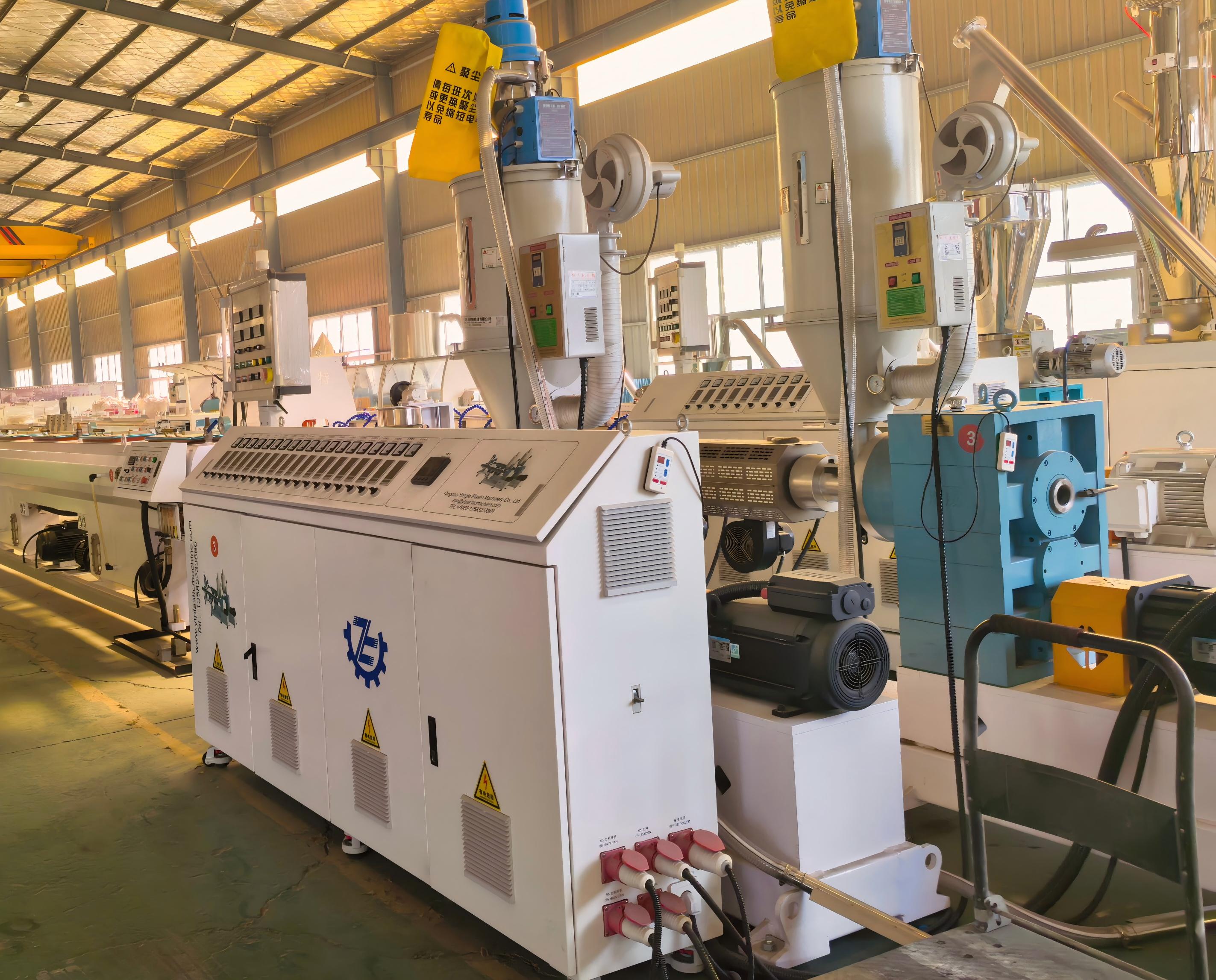

Optimizing Plastic Profile Machine Solutions for Modern Manufacturing
2026-07-21
In today's fast-paced manufacturing landscape, plastic profile extrusion demands precision, speed, and adaptability. Yet many companies still struggle with outdated equipment that slows production and compromises quality. That's where Yongte steps in, redefining what's possible with intelligently optimized machine solutions. By blending cutting-edge engineering with real-world practicality, Yongte helps manufacturers achieve tighter tolerances, faster changeovers, and lower scrap rates—all without the complexity that often accompanies high-tech upgrades. This blog dives into the strategies and innovations that are transforming plastic profile production, offering actionable insights you can apply today.
Rethinking Profile Extrusion Lines for Streamlined Production
Traditional profile extrusion setups often rely on rigid, linear workflows that leave little room for adaptability. When production demands shift, operators find themselves wrestling with time-consuming changeovers and fixed tooling configurations that hamper responsiveness. A growing number of engineers are stepping back to question these assumptions, realizing that the line itself can become a strategic asset if designed for flexibility from the ground up.
One underappreciated leverage point is the integration of modular downstream equipment. Instead of treating cooling, calibration, and haul-off as isolated stages, forward-thinking teams are connecting them via unified control architectures. This allows real-time adjustments without stopping the line, turning what used to be a sequential lockstep into a dynamic, synced system. The result is less scrap, fewer delays, and the ability to switch profiles with a fraction of the usual downtime.
Another shift is happening in how material flow and thermal management are orchestrated. By embedding sensors at critical nodes and using predictive algorithms, operators can spot drift before it creates defects. It’s not about replacing human judgment but giving it better data. When a line can automatically compensate for viscosity variations or ambient temperature swings, production becomes less about firefighting and more about consistent, hands-off throughput. That’s the kind of streamlining that sticks.
Precision Cooling Techniques That Cut Cycle Times
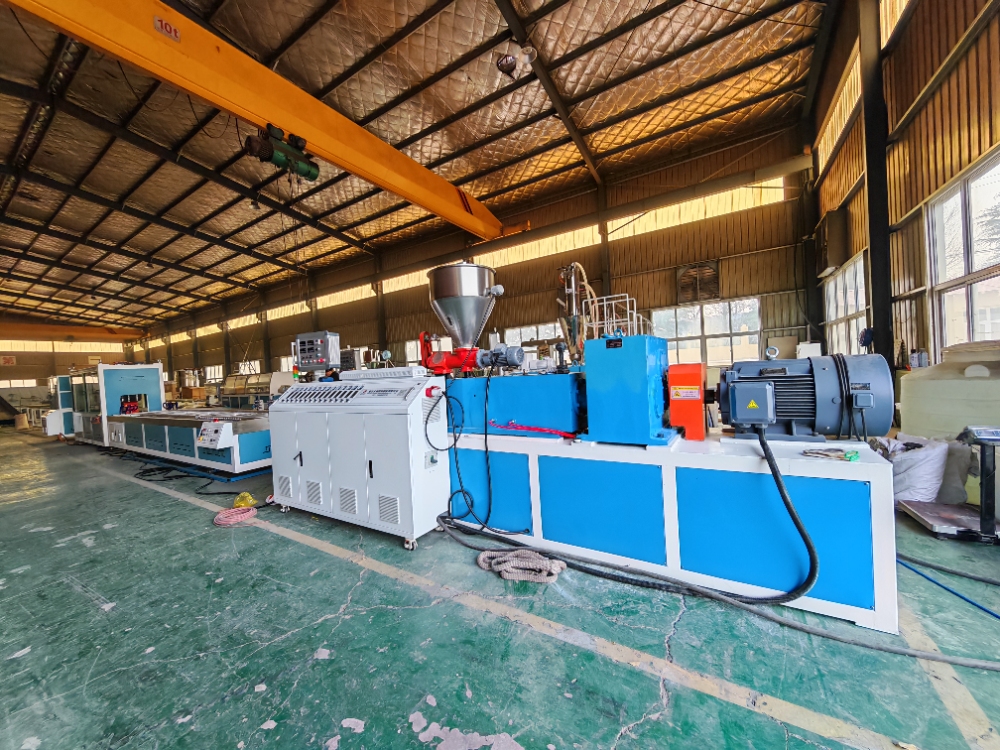
Shaving seconds off each molding cycle doesn't always require radical changes. Often, the biggest gains come from rethinking how heat is pulled out of the part. Conformal cooling channels, for instance, trace the contours of the cavity with an intimacy that drilled straight lines can't match. By hugging the part geometry, they deliver coolant exactly where it's needed, knocking down hot spots that would otherwise force a longer hold time. The result is a more uniform temperature drop and a part that can be ejected sooner without warping.
Beyond channel shape, the rate of heat transfer matters just as much. High-turbulence flow—achieved by pushing coolant at velocities that keep the Reynolds number well into the turbulent zone—scours away the insulating boundary layer inside the channels. Pair this with a coolant maintained at a narrow temperature band, and the mold becomes a much more efficient heat exchanger. Some shops take it further with pulsed cooling, where the flow is momentarily boosted right before ejection, thermally shocking the part free while barely taxing the chiller.
These techniques add up to more than just faster cycles. A precisely cooled mold also produces parts with better dimensional stability and less residual stress, cutting down on downstream rework. It's a precision-first mindset that turns thermal management into a competitive edge, one degree at a time.
Material Blends Designed to Boost Output Consistency
Combining rigid and flexible polymers at the molecular level creates a unique synergy that dampens extrusion irregularities. These hybrid formulations mitigate pressure fluctuations in the nozzle, resulting in filaments with uniform diameter and minimal ovality. The blend’s tailored viscosity ensures steady melt flow, so each layer bonds predictably—this directly translates to smoother surface finishes and fewer failed prints, even during long overnight runs.
By integrating thermally conductive micro-additives into a resilient matrix, the material dissipates heat more evenly across the print bed. This prevents warping-induced inconsistencies and allows for tighter tolerance control in large-scale parts. The formulation also reduces die swell, so the extruded bead maintains its intended profile from the first millimeter to the last, giving you dimensionally accurate prototypes without tedious post-processing.
A carefully calibrated ratio of impact modifiers and processing aids yields a blend that resists shear-induced degradation. This means the material can be reprocessed multiple times without losing its essential flow characteristics, delivering repeatable mechanical properties batch after batch. The result is a reliable stock that behaves identically whether you are printing simple jigs or complex end-use components, freeing you from constant parameter tweaking.
Smart Calibration Systems for Uniform Wall Thickness
Achieving consistent wall thickness in manufacturing has always been a challenge, especially when dealing with complex geometries or variable material properties. Traditional calibration methods rely heavily on manual adjustments and periodic checks, which can miss subtle shifts in process conditions. Smart calibration systems tackle this by embedding real-time feedback loops directly into the production line. Using a network of sensors and adaptive algorithms, these systems continuously monitor wall dimensions and make micro-adjustments on the fly. The result is a process that self-corrects before deviations turn into waste, keeping every unit within the tightest tolerances.
What sets modern approaches apart is their ability to learn from historical data and predict where inconsistencies are likely to appear. For instance, if a particular mold or die tends to create thin spots after a certain number of cycles, the calibration system can preemptively tweak parameters like pressure, temperature, or dwell time. Operators no longer need to guess why a batch is drifting out of spec—the system flags potential causes and suggests corrective actions. This predictive layer shifts quality control from reactive to proactive, slashing scrap rates and ensuring that wall thickness remains uniform from the first part to the last.
Integration with factory-wide networks also allows these calibration tools to share data across different stages of production. If a downstream machining step reveals a thickness irregularity, that information can loop back to calibrate the upstream forming process immediately. Over time, the system builds a comprehensive model of how raw material variability, tool wear, and environmental factors interact. This holistic perspective turns calibration into a dynamic, self-optimizing function rather than a static setup routine, ultimately delivering products that meet demanding structural requirements without the need for constant human intervention.
Energy Recovery Strategies That Lower Operational Costs
Capturing waste heat and converting it into usable energy is one of the most direct ways to offset operational expenses. Many industrial facilities, data centers, and even commercial buildings release substantial thermal energy through exhaust streams, cooling towers, or equipment casings. By integrating heat exchangers or organic Rankine cycle systems, that otherwise lost heat can be redirected to preheat boiler feedwater, warm workspaces, or even generate supplementary electricity. The upfront cost of such equipment is often recovered within two to three years through reduced fuel and power bills, turning a liability into a continuous source of savings.
Beyond thermal capture, recovering kinetic or pressure energy from process flows can trim compressor and pump workloads significantly. For instance, pressure recovery turbines in reverse osmosis desalination plants can harness the brine stream’s residual pressure to drive feed pumps, cutting energy consumption by up to 60%. Similarly, regenerative braking in material handling systems or elevator banks feeds power back into the building grid, lowering net demand during peak hours. These subtle adjustments often go unnoticed but compound into substantial annual savings without disrupting core operations.
Operators often overlook the financial gains from optimizing existing recovery systems. Simple tweaks like adjusting setpoints, cleaning heat transfer surfaces, or synchronizing recovery cycles with production schedules can unlock double-digit efficiency improvements. A facility that pairs recovery hardware with real-time monitoring can spot underperforming units before they erode margins. In many cases, these strategies require minimal capital investment and deliver immediate bottom-line results, reinforcing the idea that energy recovery is less about adopting exotic technology and more about refining what’s already in place.
Tooling Innovations That Simplify Rapid Changeovers
Swapping out fixtures and tooling between jobs can eat up hours if the process wasn't designed with speed in mind. One of the most effective shifts we've seen in recent years is the move toward quick-change systems that rely on mechanical clamping instead of bolts. By using hydraulic or pneumatic clamps with repeatable positioning accuracy, operators can release and secure workholding in seconds, eliminating the need for manual torque checks and alignment guesswork. This alone often cuts setup times by more than half.
Another underappreciated area is modular tooling — interchangeable jaws, palletized subplates, and zero-point mounting systems that allow entire tool sets to be swapped out as a single unit. Rather than dialing in each component individually, you can stage the next setup offline while the machine is running, then simply snap it into place. The consistency this brings means fewer scrapped parts during first-off inspection and far less downtime when shifting from one product variant to another.
Smart tooling is also starting to make inroads, where embedded RFID tags or QR codes let the CNC controller automatically pull up the correct work offsets, tool lengths, and program data as soon as a pallet is loaded. It removes the human error factor from data entry, which is where a surprising number of changeover delays originate. Taken together, these innovations aren't just about speed — they're making the changeover process predictable and nearly foolproof, which matters just as much.
FAQ
Modern plastic profile machines can be optimized for energy efficiency by integrating servo-driven systems that precisely control motor speed and torque, reducing power consumption during idle cycles. Additionally, using advanced heating elements with better insulation and intelligent temperature controllers helps maintain consistent barrel temperatures without energy spikes, while regenerative drives can capture braking energy and feed it back into the system.
Automation brings a transformative edge by allowing real-time monitoring and adaptive process control. For instance, robotic handling systems can manage material loading and profile extraction seamlessly, while integrated sensors track dimensional accuracy and automatically adjust parameters like screw speed or cooling rates to minimize waste and improve repeatability.
The shift toward recycled and bio-based polymers demands machines with superior mixing and degassing capabilities. Optimized screw designs with specialized barrier flights and venting systems ensure homogeneous melting and removal of volatiles, while wear-resistant coatings extend barrel and screw life when processing abrasive materials, ultimately reducing downtime and maintenance costs.
Predictive maintenance is key, leveraging IoT sensors to monitor vibration, temperature, and lubrication levels in real time. This data helps schedule timely interventions, like replacing worn screws or cleaning dies before failures occur. Coupled with regular calibrations and using high-quality, application-specific lubricants, machines sustain output quality and avoid unexpected breakdowns.
Retrofitting focuses on upgrading critical components without replacing the entire system. Adding advanced PLCs with user-friendly interfaces, installing energy-efficient motors and drives, and integrating smart heating-cooling units can dramatically improve precision and reduce energy use. Even modular die upgrades allow for faster changeovers and compatibility with a wider range of profiles.
Achieving consistent quality at high speeds requires meticulous die geometry and balanced flow channels to prevent warping or surface defects. Advanced simulation software aids in optimizing die lips and land lengths, while precisely regulated cooling tanks with turbulent flow ensure uniform solidification. In-line laser measurement systems then provide instant feedback to fine-tune haul-off speeds and cut dimensions accurately.
Industry 4.0 enables a connected ecosystem where machines communicate with MES and ERP systems. This allows for dynamic production scheduling based on demand, and historical data analysis to identify the most efficient operating parameters. Digital twins simulate process changes before implementation, reducing trial runs, and augmented reality tools assist operators with remote troubleshooting and maintenance guidance.
Conclusion
Optimizing plastic profile extrusion for today’s fast-paced manufacturing starts with rethinking the production line itself. By redesigning extrusion layouts and integrating precision cooling, cycle times shrink dramatically while maintaining tight tolerances. These cooling technologies rapidly set the profile shape, and when combined with specially formulated material blends, they ensure a steady, consistent output that virtually eliminates variations from batch to batch. The result is a smoother process that requires fewer interruptions and delivers higher-quality products.
Beyond the extrusion stage, smart calibration systems continuously monitor and adjust wall thickness in real time, preventing waste and reducing the need for manual checks. Energy recovery loops capture thermal energy from cooling water and other sources, feeding it back into the system to slash overall power consumption and operating expenses. On the tooling side, modular, quick-change dies allow operators to switch product profiles swiftly, minimizing downtime and making small-batch production economically viable. These interconnected improvements turn the entire extrusion operation into a lean, responsive, and cost-effective solution for modern manufacturing.
Contact Us
Contact Person: Ms Qin
Email: [email protected]
Tel/WhatsApp: 8613583233866
Website: https://www.yongteplast.com