

Pallet Jack Manufacturer Reveals Top Tips for Choosing Durable Warehouse Equipment
2026-10-19
When it comes to warehouse equipment, durability isn't just a nice-to-have—it's the difference between smooth operations and costly downtime. As a leading pallet jack manufacturer, HANGCHA knows exactly what separates equipment that lasts from equipment that lets you down. In this post, we're sharing the top tips straight from the source, so you can make smarter choices and keep your warehouse running at full speed.
Steel Thickness Alone Won't Save Your Frame
A thicker steel tube might feel reassuring when you tap it with a wrench, but that alone won't keep your frame from twisting under load. The real story lives in the cross-section geometry, the quality of the welds, and how the load paths are managed from the suspension pickups to the core structure. You can bolt a quarter-inch plate onto a poorly triangulated chassis and still watch it flex exactly where the forces concentrate.
Engineers chase stiffness and fatigue life by shaping the metal, not just piling on mass. A well-designed frame uses varying wall thicknesses in strategic zones, gussets that redirect stress away from heat-affected areas, and continuous load transfer instead of relying on raw material heft. When someone boasts about steel thickness as the selling point, ask them for the section modulus, the weld procedure, and the actual tested deflection under a known input. Without those numbers, it's just heavy marketing.
The frame that survives years of abuse is the one where every bracket, mount, and joint was considered as part of a system. Concentrating on gauge alone ignores the fact that cracks usually start at notches, sudden changes in section, or poorly executed reinforcements. So before you assume a thicker frame is a stronger frame, look at the design as a whole—because steel thickness is only one variable in a very unforgiving equation.
Wheel Compounds Decide How Long Your Floors Last
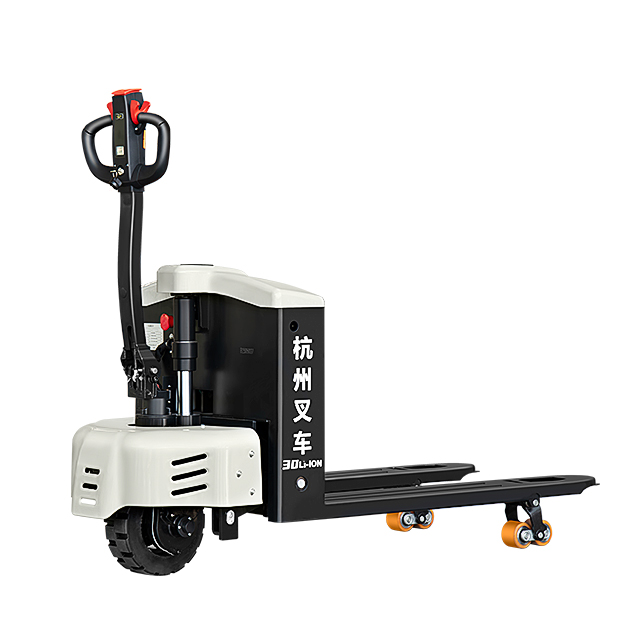
The material your casters are made from plays a bigger role than most people realize. A hard nylon wheel might roll easily, but it also grinds away at softer flooring like vinyl or sealed concrete, leaving scuffs and permanent wear patterns. On the other hand, a soft rubber or polyurethane wheel absorbs shock and spreads the load, but if it's too soft for the weight it carries, it can flatten over time and drag instead of roll, which creates its own kind of damage. Getting the compound right isn't just about noise or smooth movement—it's the difference between floors that look tired after six months and floors that hold up for years.
Think about what happens in high-traffic areas. A warehouse aisle with steel carts on polyolefin wheels might seem fine at first, but those wheels are rigid, and every tiny imperfection in the floor becomes a point of impact. Over thousands of passes, that impact turns into micro-cracks and dull patches. Swap those same carts to a high-rebound polyurethane with a durometer matched to the load, and the wheel actually deforms slightly to bridge gaps, protecting the floor from concentrated stress. The same principle applies to office chairs on hardwood or hospital beds on linoleum—the wheel compound either preserves the surface or slowly chews it up.
There's no single "best" material, only the right one for your floor type and usage. For epoxy-coated concrete, a medium-hard rubber works well because it grips without scratching. For polished stone or ceramic tile, you need something even gentler, like a non-marking thermoplastic elastomer. And if you're dealing with debris or rough surfaces, a tougher polyurethane that resists chunking will keep its shape, which matters because a wheel with flat spots or torn edges becomes a floor scraper. Matching the compound to the conditions doesn't just extend floor life—it also reduces the long-term cost of refinishing or replacing damaged sections.
Hydraulic Seals Leak When Corners Get Cut
A common culprit behind premature hydraulic seal failure is the machining of the gland itself. Shops that rush the job often leave the groove surfaces rough or slightly oversized. The seal lip needs a smooth, precisely dimensioned seat to maintain contact with the rod or bore. Skip the final honing pass to save half an hour, and you'll see a fine stream of oil weeping past the lip within the first week of service.
Then there's the rubber compound. Cheap seals are frequently molded from a blend heavy on fillers and light on actual elastomer. Under sustained heat and pressure, that material hardens, cracks, or swells unevenly. A seal that can't flex with the rod's movement loses its ability to wipe oil back into the system, and the leak starts at the exact spot where the compound gave out first.
Installation practices cut corners too. Forcing a seal over sharp threads without a sleeve, using a screwdriver as a pry tool, or skipping the assembly lubricant can nick or tear the lip before the cylinder is ever pressurized. Those micro-tears may hold initially, but once the system runs through a few thermal cycles, the damaged area opens up and the leak reveals itself—often misdiagnosed as a material defect when it was really a rushed install.
Powder Coating Hides More Than Rust
Powder coating is often promoted as a rust-stopping solution, but its ability to disguise surface flaws goes far beyond corrosion. A scratched bumper, a pitted wheel rim, or a weld seam on a custom bracket—all can disappear under a properly applied powder coat. The thick film builds up over low spots and softens sharp edges, turning what was once an eyesore into a uniform, factory-fresh surface.
Unlike wet paint, which tends to highlight every imperfection by following the contours of the metal, powder coating melts and flows into scratches and pits during the curing oven stage. This self-leveling effect means minor gouges and rough patches become less noticeable. Even old, weathered parts with flaking paint or light surface rust can be blasted clean and then coated, leaving behind a smooth, consistent finish that hides years of wear.
That kind of coverage matters for anyone restoring machinery, furniture, or automotive parts. You don't need to sand every last scratch or fill every pinhole before coating—the powder will do a lot of the hiding for you. The result is not just protection from future rust, but a clean slate that makes old metal look intentional again.
Handle Design Tells You Everything About Build Quality
The first thing your fingers notice is the contour of the handle. A well-made product doesn't hide its shortcuts here. Sharp parting lines, uneven texture, or a slight wobble under pressure are immediate tells. If the handle feels hollow or flexes when you grip it, the internal structure probably isn't worth trusting either.
Material choice matters more than most people expect. A handle that warms to your hand within seconds often signals dense, quality materials—solid metal, reinforced nylon, or properly cured wood. Cheap plastic and thin rubber coatings tend to stay cold or slippery, and they age badly. Look for edges that are chamfered just enough to avoid hot spots during extended use.
Finally, check how the handle connects to the rest of the object. Misaligned screws, exposed adhesive, or a gap where two materials meet are signs that assembly was rushed. A precise, flush transition almost always means the manufacturer cared about the parts you can't see. When the handle feels controlled and balanced, the rest of the build usually follows.
Ask the Manufacturer How They Test for Fatigue
Ask the manufacturer how they test for fatigue, and you'll often hear a mix of standard protocols and in-house tweaks. A decent supplier should walk you through their setup: whether they use rotating bending machines for simple shafts or servo-hydraulic rigs for complex components. Pay attention to the load levels they pick — if they only test at unrealistically high stress to shorten test time, the data won't tell you much about real-world endurance.
Don't be shy about requesting the number of cycles to failure. Some manufacturers stop at a million cycles and call it a day, but for materials like aluminum or titanium, that cutoff can hide the real fatigue limit. Ask if they've run staircase tests or probit analysis to nail down the mean fatigue strength. The ones who hesitate or give vague answers are usually the ones who haven't done the legwork.
Finally, see if they can share fracture surface photos or failure mode reports. A manufacturer that takes fatigue seriously will document crack initiation sites, beach marks, and final overload zones. If they can't show you that level of detail, you're probably talking to a vendor who treats fatigue testing as a checkbox rather than a diagnostic tool.
FAQ
Look closely at the steel thickness around the fork tips and the weld quality on the frame. Cheap units use thinner gauge steel and skip reinforcement at stress points. A solid manufacturer reinforces the fork heels and uses sealed bearings in the load rollers. Ask for the frame weight—if it feels unusually light, it probably won't survive constant dock work.
Polyurethane wheels are common, but not all poly is the same. For rough floors or debris, choose a higher durometer rating with thick tread, not just a thin coating. Nylon wheels work on smooth concrete but can crack under impact. Steel wheels handle extreme loads but damage floors. Also check whether the load rollers have axle seals and lubrication ports; dry rollers create drag and uneven wear.
No. The rated capacity assumes an evenly distributed load on a specific pallet length. If you routinely handle long or front-heavy pallets, you need extra headroom. Pay attention to the difference between static and dynamic capacity too. A unit rated for 5,500 lbs static might only be rated for 4,400 lbs when moving, so match the dynamic rating to your actual workflow.
Look for grease fittings on pivot points, a hydraulic system with a serviceable oil fill, and a relief valve that can be adjusted without replacing the whole pump. Some brands use a one-piece hydraulic unit that must be swapped entirely when a seal fails—convenient for them, expensive for you. Ask if the manufacturer sells seal kits and individual parts instead of only complete assemblies.
The handle design matters as much as the frame. A return-to-neutral handle with a slow lowering valve prevents sudden drops that damage loads and frames. Look for entry and exit rollers positioned to reduce fork tip hang-up on pallet boards. Also check the clearance under the frame; low-profile designs are great for tight spaces but reduce ground clearance over dock plates.
A long warranty is meaningless if it excludes the parts most likely to fail. Read the fine print on the hydraulic pump, seals, wheels, and frame welds. Some manufacturers offer a three-year frame warranty but only 90 days on the pump. The best warranty covers the pump and frame equally for at least two years and includes replacement parts without requiring return shipping on the failed unit first.
Lifecycle cost almost always outweighs the initial price. A pallet jack that costs 30% less upfront but needs new load rollers every six months and leaks hydraulic oil onto the floor will erase that savings quickly. Compare the cost of common wear parts—seal kits, wheels, axles—before buying. If those parts are priced close to a new unit, the manufacturer expects you to replace rather than repair.
Request a demo unit with the exact wheel and fork configuration you plan to use. Run it over your actual floor surfaces, including dock plates and expansion joints, with a full pallet load. Pay attention to how many pumps it takes to reach full lift height and whether the handle returns to neutral without sticking. If the supplier won't provide a demo unit, ask for a reference site with similar operating conditions.
Conclusion
A pallet jack is only as durable as the details most buyers never check. Steel thickness on the frame gets a lot of attention, but a thick plate means little if the welds are weak or the load is concentrated at the fork tips. You want to see how the manufacturer reinforces the heel and the fork entry points, not just a spec sheet number. Wheel compounds matter just as much: hard polyurethane wheels can chew up concrete over time, while softer rubber blends wear out faster under heavy loads. The right compound depends on your floor surface and average load weight, so ask for hardness ratings and real-world wear data before committing. Hydraulic seals are another silent failure point. If the pump body or cylinder is machined with loose tolerances, the seals will leak within months, no matter how good they look on day one.
Powder coating often hides more than rust. A smooth, thick coat can cover poor surface preparation or thin base metal that will corrode from the inside out. Look for evidence of phosphate pre-treatment and a minimum coating thickness, not just a shiny finish. Handle design reveals build quality quickly: a flimsy, wobbly handle with cheap bushings means the control linkages and return springs are likely just as weak. Finally, ask the manufacturer directly how they test for fatigue. If they cannot describe a cycle test on the frame, forks, and hydraulic system under rated load, move on. Durable warehouse equipment comes from manufacturers who test the whole assembly, not just individual parts.
Contact Us
Contact Person: Liuxue
Email: [email protected]
Tel/WhatsApp: +86-19084200370
Website: https://www.hf-ec.com/