

Polymer Insulator Innovations: Revolutionizing Energy Distribution
2026-01-05
In the dynamic landscape of modern energy distribution, a quiet revolution is unfolding, driven by cutting-edge polymer insulator technologies. As infrastructure demands grow amidst environmental challenges, these innovations promise enhanced durability, efficiency, and reliability across global power grids. At the forefront of this transformation is Lugao, a leader pioneering next-generation solutions that redefine industry standards. This blog delves into how polymer insulators are reshaping energy distribution, offering insights into their impact and the advanced approaches deployed by Lugao to power a sustainable future. Join us as we explore the breakthroughs poised to energize tomorrow's world.
What Are Polymer Insulators and Why They Matter in Modern Grids
Polymer insulators are advanced insulating components made from synthetic materials like silicone rubber or ethylene propylene diene monomer (EPDM), designed to replace traditional ceramic or glass insulators in electrical grids. Unlike their brittle predecessors, polymer insulators offer greater flexibility and resilience, making them ideal for withstanding harsh environmental conditions such as high winds, ice, and pollution. Their lightweight nature simplifies installation and reduces structural stress on towers, while their hydrophobic surfaces help prevent flashovers and electrical leaks, enhancing overall grid safety and reliability.
In modern power grids, the significance of polymer insulators extends beyond mere durability. They contribute to operational efficiency by minimizing maintenance needs and downtime, as their self-cleaning properties reduce the accumulation of contaminants that can lead to outages. Additionally, their design allows for better performance in high-voltage applications, supporting the integration of renewable energy sources like wind and solar, which often require robust insulation in remote or challenging terrains. This adaptability makes them a cornerstone in efforts to modernize aging infrastructure and meet growing electricity demands sustainably.
Looking forward, the role of polymer insulators is set to expand with advancements in smart grid technologies. Their compatibility with digital monitoring systems enables real-time diagnostics, allowing utilities to detect potential failures before they escalate into widespread disruptions. By improving grid resilience and facilitating cleaner energy transitions, these insulators are not just components but key enablers of a more stable and eco-friendly power network, underscoring their critical importance in contemporary electrical engineering.
Key Technological Breakthroughs Driving Polymer Insulator Evolution
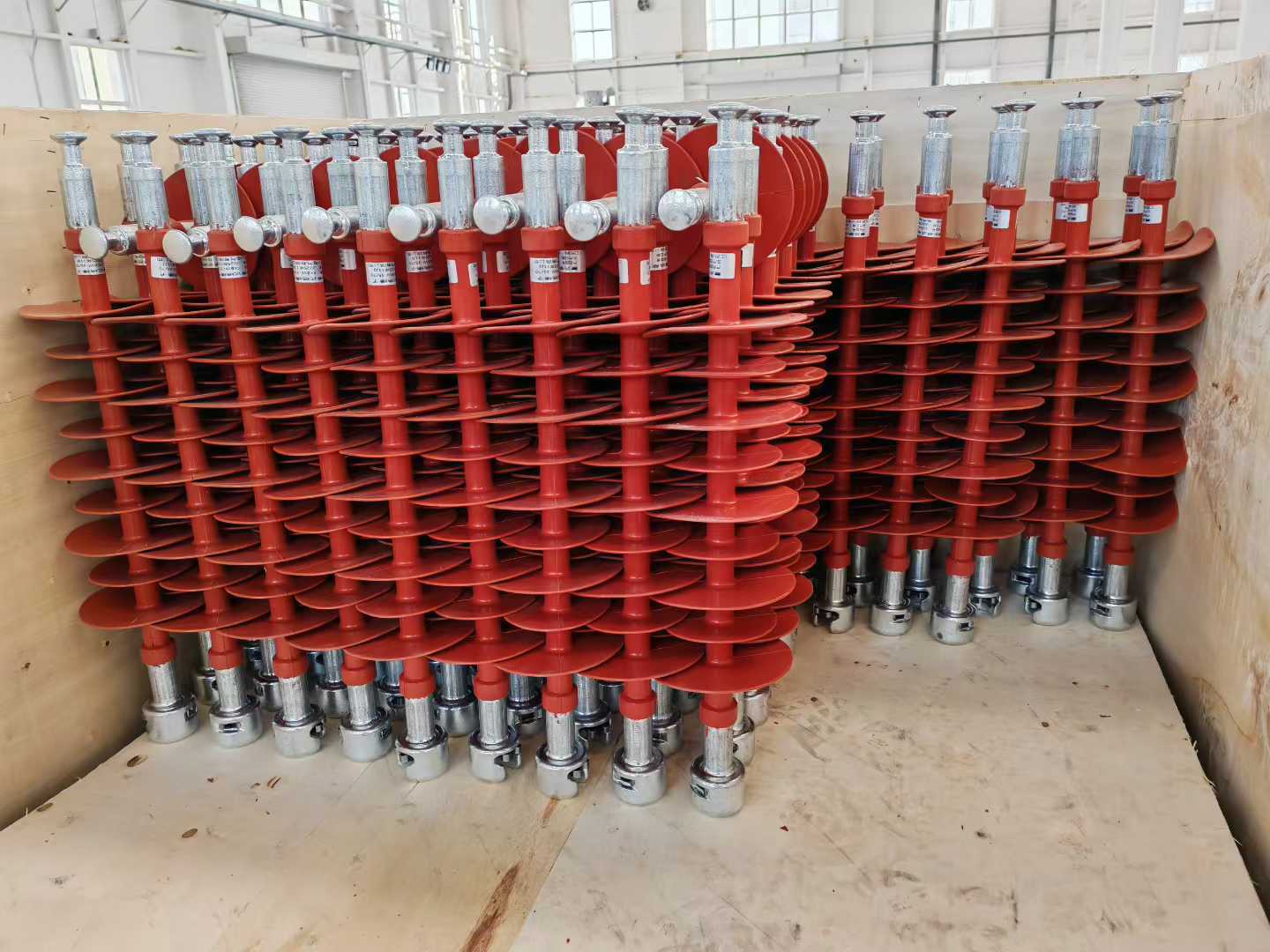
Over the past few decades, polymer insulators have quietly transformed from niche alternatives into dominant players in electrical transmission, thanks to a series of technological leaps that addressed their early limitations. Initially, these insulators struggled with durability under harsh weather conditions, but innovations like silicone rubber formulations with enhanced hydrophobicity changed the game. This breakthrough allowed surfaces to repel water effectively, reducing leakage currents and preventing flashovers, even in humid or polluted environments. It wasn't just about adding chemicals; researchers refined the molecular structure to ensure long-term stability, making polymer insulators more reliable than traditional ceramic or glass types in many applications.
Another pivotal advancement came through improved core materials, particularly the development of fiberglass-reinforced epoxy resins. Early polymer insulators often faced issues with mechanical strength and UV degradation, but by embedding high-strength fibers into a resilient epoxy matrix, engineers created cores that combined lightweight flexibility with robust load-bearing capabilities. This evolution didn't stop at strength—it also enhanced resistance to environmental stressors like temperature fluctuations and chemical exposure. As a result, these insulators now withstand decades of service without significant wear, pushing the boundaries of maintenance-free operation in power grids worldwide.
Perhaps the most subtle yet impactful breakthrough lies in advanced manufacturing techniques, such as injection molding and automated quality control systems. These processes enable precise, consistent production of complex insulator shapes, eliminating defects that could lead to early failures. By integrating sensors and real-time monitoring during fabrication, manufacturers can now tailor insulators to specific climatic or electrical demands, optimizing performance from the ground up. This shift towards customization and precision engineering has not only boosted efficiency but also fostered a wave of innovations, including eco-friendly materials and smart insulators with embedded diagnostics, ensuring polymer technology remains at the forefront of electrical safety and sustainability.
Advantages of Polymer Insulators Over Traditional Ceramic Alternatives
In the power transmission industry, polymer insulators have gained significant traction due to their lightweight nature compared to ceramic alternatives. This reduction in weight simplifies installation and handling, lowering labor costs and reducing the risk of damage during transportation. Additionally, polymers offer better resistance to vandalism and environmental stresses like thermal cycling, which can cause cracking in ceramics over time.
Beyond durability, polymer insulators excel in wet conditions by featuring hydrophobic surfaces that repel water, thus preventing flashovers and maintaining reliability in rainy or humid climates. This property contrasts with ceramics, which can accumulate contaminants and moisture, leading to performance degradation. The flexibility of polymer materials also allows for design innovations, enabling custom shapes that optimize electrical performance in compact spaces.
Moreover, polymer insulators contribute to sustainability efforts through longer lifespans and reduced maintenance needs, cutting down on replacement frequency and environmental impact. Their production often involves fewer resources than ceramics, aligning with green initiatives in modern infrastructure projects. As technology advances, ongoing research into polymer composites continues to enhance their thermal and mechanical properties, solidifying their role as a viable, forward-looking choice for electrical networks.
Real-World Applications and Case Studies in Energy Distribution
Energy distribution systems are evolving beyond traditional grids, with real-world applications showing how smart technologies are reshaping how electricity flows from generators to consumers. For instance, in urban areas like Copenhagen, Denmark, integrated solar panels and wind turbines feed into a dynamic grid that adjusts in real-time based on weather patterns and demand fluctuations. This not only enhances reliability but also reduces carbon emissions by optimizing renewable energy use, demonstrating the practical benefits of decentralized and responsive networks.
Case studies from emerging economies highlight unique challenges and innovative solutions. In Kenya, off-grid solar microgrids have brought electricity to remote villages, empowering local communities through access to clean power for lighting, refrigeration, and small businesses. These projects often involve public-private partnerships and community-driven management, showcasing how tailored approaches can overcome infrastructure gaps and foster economic development while addressing energy poverty.
In industrial settings, such as manufacturing plants in Germany, advanced distribution systems incorporate energy storage and predictive analytics to balance loads and minimize downtime. By analyzing usage data and integrating with intermittent renewables, these facilities achieve significant cost savings and resilience against grid disruptions. These examples illustrate the diversity of applications, from rural electrification to industrial efficiency, all contributing to a more sustainable and adaptive global energy landscape.
Challenges and Solutions in Adopting Polymer Insulator Innovations
As the electrical grid evolves, polymer insulators are increasingly replacing traditional ceramic types, offering advantages like lighter weight and better contamination performance. Yet, adoption faces hurdles, such as concerns over long-term durability in harsh environments and higher initial costs that can deter utilities from making the switch. To overcome these, manufacturers are focusing on developing advanced polymer formulations that enhance resistance to UV radiation and tracking, along with lifecycle cost analyses that highlight savings from reduced maintenance and longer service life.
Another significant challenge lies in the compatibility of polymer insulators with existing infrastructure, as their different physical properties may require adjustments in installation and support systems. Innovative solutions include modular designs that allow for easy retrofitting and specialized training programs for technicians to ensure proper handling and installation. Partnerships between research institutions and industry players are also fostering real-world testing and standards development, building confidence in these materials' reliability.
Looking ahead, the integration of smart technologies, such as sensors for real-time condition monitoring, is emerging as a key solution to address performance uncertainties. This not only helps in predictive maintenance but also aligns with the push for more resilient and efficient power networks. By tackling these obstacles through material science advances and strategic implementation methods, the industry is gradually paving the way for broader acceptance and optimization of polymer insulator innovations.
Future Trends and the Impact on Sustainable Energy Systems
As the global energy landscape evolves, several emerging trends are poised to reshape sustainable energy systems in profound ways. One key development is the rapid advancement of energy storage technologies, such as next-generation batteries and hydrogen solutions, which are enabling more reliable integration of intermittent renewables like solar and wind into the grid. This shift is not just about scaling up capacity but also enhancing grid flexibility, allowing for smarter management of supply and demand in real-time. Coupled with digital innovations like AI-driven energy optimization, these trends are making sustainable systems more resilient and cost-effective, moving us closer to a decarbonized future without compromising on stability.
Another significant trend is the growing focus on decentralized energy networks, where microgrids and distributed generation empower communities to produce and consume their own clean energy locally. This democratization of energy reduces reliance on centralized fossil-fuel plants and enhances energy security, especially in remote or disaster-prone areas. Meanwhile, policy shifts and increasing corporate commitments to net-zero targets are accelerating investments in green technologies, driving down costs through economies of scale. For instance, the plummeting prices of solar panels and wind turbines over the past decade highlight how market forces, when aligned with sustainability goals, can spur rapid adoption and innovation in the sector.
Looking ahead, the convergence of these trends with broader societal changes, such as urbanization and electrification of transport, will likely amplify their impact on sustainable energy systems. Electric vehicles, for example, are becoming mobile storage units that can feed back into the grid, while smart cities leverage IoT devices to optimize energy use across buildings and infrastructure. However, challenges remain, including the need for robust regulatory frameworks and equitable access to ensure that the benefits of these advancements are shared widely. Ultimately, staying ahead of these trends requires continuous adaptation and collaboration among stakeholders, from policymakers to innovators, to build energy systems that are not only sustainable but also inclusive and adaptable to future uncertainties.
FAQ
Key innovations include enhanced durability against environmental stresses, reduced weight for easier installation and maintenance, and improved electrical insulation properties, which help lower costs and boost grid reliability across diverse conditions.
Polymer insulators offer superior resistance to vandalism and breakage due to their flexibility, provide better performance in polluted or humid environments by repelling contaminants, and require less maintenance, making them a cost-effective choice for modern power grids.
Advancements tackle issues like aging infrastructure, increasing demand for renewable energy integration, and harsh weather resilience, enabling more efficient and adaptable distribution networks to meet future energy needs sustainably.
Polymer materials, such as silicone rubber, resist UV degradation, thermal cycling, and chemical exposure, extending service life and reducing failure rates, which ensures consistent energy flow and minimizes downtime in distribution systems.
They support smart grid technologies by enabling easier sensor integration for real-time monitoring, enhancing fault detection, and improving overall system flexibility to handle variable loads from renewable sources like solar and wind.
Economic benefits include lower initial and lifecycle costs due to reduced installation and maintenance expenses, higher efficiency leading to energy savings, and extended asset life that delays replacement investments, boosting project profitability.
Yes, polymer insulators often have a smaller carbon footprint during production compared to ceramics, are recyclable in some cases, and contribute to reduced energy losses, aiding in sustainability efforts across the energy sector.
Conclusion
Polymer insulators represent a significant advancement in energy distribution, addressing critical needs in modern electrical grids. Unlike traditional ceramic insulators, which are heavy and prone to breakage, polymer insulators are lightweight, durable, and resistant to environmental factors like pollution and moisture. Their importance in modern grids stems from their ability to enhance reliability and reduce maintenance costs, making them essential for efficient energy transmission. Key technological breakthroughs, such as improved silicone rubber formulations and hydrophobic coatings, have driven their evolution, enabling better performance in harsh conditions.
The advantages of polymer insulators over ceramic alternatives include reduced installation costs, higher mechanical strength, and superior performance in contaminated environments, as demonstrated in real-world applications across various energy distribution networks. However, challenges such as aging under UV exposure and initial higher costs require innovative solutions like advanced materials and lifecycle analysis. Looking ahead, future trends indicate that polymer insulator innovations will play a pivotal role in supporting sustainable energy systems by integrating with smart grids and renewable energy sources, ultimately revolutionizing energy distribution through enhanced efficiency and resilience.
Contact Us
Contact Person: Doreen
Email: [email protected]
Tel/WhatsApp: 8618057712366
Website: https://www.liugaopower.com/