

Private Label Carbon-Based Fertilizer: Boost Soil Health Naturally
2026-08-07
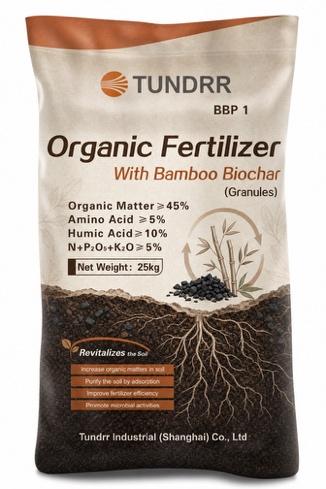
Healthy soil is the foundation of every thriving farm and garden, but modern agriculture often strips it of essential nutrients. That’s where private label carbon-based fertilizer comes in—a natural, sustainable way to revitalize your land. At Tundrr, we’ve seen firsthand how this innovative approach rebuilds soil structure, boosts microbial life, and enhances nutrient retention without harsh chemicals. Curious how a custom carbon-based blend can transform your soil health and yield? Let’s explore the science and strategy behind it.
What Makes Carbon the Secret to Thriving Soil?
Imagine soil not just as dirt, but as a living, breathing ecosystem where carbon acts as the currency of life. It's the backbone of organic matter, fueling the intricate web of microbes, fungi, and earthworms that transform sterile ground into a thriving habitat. Without carbon, soil collapses into lifeless dust, unable to hold water or nutrients. But with it, each gram becomes a universe of activity, quietly orchestrating the cycles that sustain plants from root to tip.
What often goes unnoticed is how carbon shapes the very architecture of the soil. It glues particles together into aggregates, creating pore spaces that let air and water flow freely. This isn't just about sponge-like absorption—it's about resilience. In a downpour, carbon-rich soil drinks deeply instead of washing away. During drought, it hoards moisture like a miser. The secret lies in humus, a stable form of carbon that can linger for centuries, slowly releasing nutrients while anchoring the soil's structure against erosion.
But the real magic is in the partnership between plants and soil life. Roots leak carbon sugars to feed bacteria and fungi, which in return mine the earth for phosphorus, nitrogen, and trace minerals. It's a silent barter system refined over eons. When we ignore this connection—by over-tilling or dousing fields with synthetics—we break the cycle, starving the very allies our crops depend on. Thriving soil isn't a static resource; it's a dynamic equilibrium, and carbon is the pulse that keeps it alive.
From Waste to Gold: The Organic Journey
Kitchen scraps and yard clippings might seem like humble discards, but in the alchemy of nature, they are the raw ingredients for something extraordinary. The organic journey begins the moment leftovers are tossed into the compost bin, sparking a quiet revolution. Microbes, fungi, and industrious earthworms take center stage, breaking down complex matter into simpler forms. This isn’t just rot—it’s a carefully orchestrated feast of decomposition. Each peel and core releases nutrients that, given time and the right conditions, will transform into a dark, crumbly treasure far richer than the sum of its parts.
Patience becomes the gardener’s greatest ally as the pile heats up, cools down, and gradually matures. The process demands a delicate balance of carbon and nitrogen, moisture and air, inviting us to tune into the rhythms of the living world. Turning the heap reveals steamy pockets of activity and the sweet, earthy scent of progress. What once was “waste” sheds its old identity, taking on a new purpose. This metamorphosis mirrors older cycles—forests that self-nourish, prairies that renew—and places us within that timeless loop. The resulting compost isn’t merely soil amendment; it’s a statement of regeneration.
When that finished humus is finally spread across garden beds, the circle completes itself. Plants respond with vigorous growth, their roots drawing from this well of slow-release nourishment. The gold isn’t just metaphorical—it’s visible in the deeper greens and brighter blooms that follow. More importantly, this homegrown fertility closes a loop, shrinking our footprint in a way that feels both responsible and deeply satisfying. The organic journey from waste to gold is a quiet tactic against wastefulness, turning the mundane act of recycling scraps into an art form that enriches the soil and the soul alike.
A Closer Look at Soil’s Best Friend
Soil is more than just dirt—it is a vibrant ecosystem teeming with life. At the heart of this hidden world lies its greatest ally: the humble earthworm. Often overlooked, these small creatures play an outsized role in maintaining soil health. They work tirelessly beneath the surface, creating networks of tunnels that open up pathways for air and water, allowing roots to breathe and moisture to penetrate deep into the ground. Their constant movement breaks up compacted earth, making room for tender new roots to spread and thrive.
But earthworms offer more than just physical restructuring. As they consume organic matter, they transform it into nutrient-dense castings—a natural fertilizer richer than the soil they ingest. This process accelerates the decomposition cycle, releasing essential elements like nitrogen and phosphorus back into the earth in forms plants can readily absorb. The sticky mucus they produce also helps bind soil particles into stable aggregates, improving structure and reducing erosion from wind and rain.
Beyond their own contributions, earthworms invite a cascade of beneficial activity. The channels they carve become highways for beneficial bacteria and fungi, extending the reach of these microscopic helpers. In turn, this underground network supports healthier root systems and more resilient plants above. By shifting our perspective to appreciate these silent engineers, we begin to see that nurturing soil’s best friend is one of the simplest ways to cultivate a living landscape that can sustain itself for generations.
How It Awakens Tired Ground Without Chemicals
Many growers are surprised to learn that the secret to reviving exhausted soil doesn't come from a bottle. Instead of pouring on synthetic quick fixes, this method leans into the soil's own biological rhythms. By carefully managing organic inputs and encouraging microbial diversity, we coax the earth back to life. It’s a gradual process, almost like nurturing a recovering ecosystem—where fungi, bacteria, and tiny creatures together break down compacted layers and release locked-up nutrients without any harsh interventions.
At the core is a shift in how we view soil health. Rather than treating the ground as a passive medium to hold plants upright, we start seeing it as a living, breathing entity. Deep-rooted cover crops are planted in rotation, not just to prevent erosion, but to punch through hardpan and create natural channels for air and water. Their roots leave behind organic matter that feeds earthworms and beneficial nematodes, which in turn aerate the soil and cycle nutrients. This continuous, below-ground activity gradually restores structure and tilth, making synthetic soil conditioners unnecessary.
The real magic happens when timing and diversity align. Warm-season and cool-season covers follow each other, ensuring that roots are always working the soil. Occasional light disturbance from grazing animals or shallow tillage can stimulate a flush of biological activity without disrupting the deeper layers. Over time, the once-lifeless dirt transforms into a crumbly, dark humus that holds moisture and resists compaction—all without a single chemical additive. It’s a quiet, persistent renewal that lets nature do what it does best.
Roots, Worms, and a Hidden Ecosystem Come Alive
Beneath the surface, roots stretch like silent explorers, tunneling through soil with a purpose as old as life itself. They anchor plants and trees, but their true magic lies in the quiet conversations they hold with the underground world. Each root hair is a delicate sensor, sipping water and minerals while releasing sugars that summon an invisible army of helpers—bacteria, fungi, and tiny creatures that turn dirt into a living, breathing network.
Worms slip through the darkness, their bodies plowing the earth as they swallow decay and excrete fertility. This hidden ecosystem doesn't just support life above ground; it orchestrates it. Every wriggle, every fungal thread, every microscopic exchange is a pulse in a vast subterranean rhythm that transforms lifeless mineral grains into a realm teeming with energy and connection. When rain falls or footsteps press down, the ground may seem still, but just below, a hidden city never sleeps.
Your Harvest’s Natural Edge, Simply Explained
Think of the last time you bit into a sun-warmed tomato straight from the vine. That burst of flavor, the juice dripping down your chin—it’s not just nostalgia. It’s the direct result of timing. When produce is allowed to ripen fully under the sun and reaches your plate within hours instead of days, it retains sugars, acids, and volatile compounds that supermarket varieties lose during their long, chilled journeys. This isn’t a marketing twist; it’s the simple biology of peak-picked freshness.
There’s also an honesty in food grown without shortcuts. When soil is managed with care—using compost, cover crops, and rotations instead of synthetic quick-fixes—the harvest carries a depth of flavor that can’t be faked. Carrots taste earthier, greens are more vibrant, and the texture is crisper. No need for complex labels or certifications to decipher. You can see it in the dirt-flecked leaves, smell it in the herbs, and taste it on your tongue. Nature’s own quality check, no manual required.
This natural advantage isn’t reserved for chefs or farmers’ market regulars. It’s something that can show up in your kitchen with every box of just-picked produce, every jar of preserves made without fillers, and every meal cooked with ingredients that basically speak for themselves. Strip away the jargon, and what’s left is straightforward: food that tastes like it was grown to nourish, not just to survive a supply chain. That’s the edge your harvest holds—real, uncomplicated, and waiting to be enjoyed.
FAQ
They rely on biochar and organic carbon compounds to feed the soil ecosystem, rather than just dumping synthetic nutrients. Over time, this builds a living soil structure that holds moisture and supports root growth on its own.
Yes, carbon-rich materials act like tiny sponges in the soil. They increase porosity and reduce compaction, so rain and irrigation soak in deeper and hang around longer for plant roots.
It can be a smart move if you want to offer something unique that big box stores don’t have. You get to control the branding and build loyalty with a product that aligns with natural gardening trends.
You might notice softer soil and better drainage within the first season, but the real magic builds over a year or two as microbial life multiplies. It’s a long-term soil investment.
It’s especially helpful for sandy or clay-heavy soils. Sandy ground gains cohesion, while clay loosens up. It adapts to what the soil lacks, making it versatile.
Since it’s carbon-based and typically free of synthetic additives, it’s safe for edible crops. Many organic growers choose it to maintain a clean growing system.
Stored in a dry place, it remains effective for years. The biochar doesn’t break down, so you’re essentially storing carbon that activates when it hits the soil.
Conclusion
Carbon-based fertilizer transforms ordinary soil into a living, breathing foundation for crops by restoring the organic matter that intensive farming strips away. Unlike synthetic additives, this private label solution relies on biochar and composted plant residues to rebuild soil structure from within. The carbon acts like a microscopic sponge, holding water and nutrients in the root zone while giving beneficial fungi and bacteria the energy they need to thrive. This natural partnership means plants receive a steady, slow-release diet rather than a chemical jolt, reducing runoff and building long-term fertility without the burn or salt buildup common with conventional methods.
The magic unfolds underground, where earthworms and a hidden ecosystem awaken to aerate the soil and break down organic waste into gold. Roots stretch deeper, finding their way through loosened earth, while the soil’s natural defense against pests and disease quietly strengthens. Farmers see the difference in uniformly robust stands, richer color, and harvests that hold their quality longer. It’s the natural edge that comes from feeding the soil life itself—tired ground reclaims its vitality without a single synthetic chemical, proving that the secret to thriving crops was always underfoot, waiting to be unlocked through the simple elegance of carbon.
Contact Us
Contact Person: Ellen Zhang
Email: [email protected]
Tel/WhatsApp: +86(21) 2287 6756
Website: https://www.tundrr.com/en/