

RFID Warehouse Management in Manufacturing Key Concerns and Solutions
2026-10-18
Manufacturers know the pain: a single miscounted pallet can ripple into production delays, excess stock, or even lost orders. RFID-based warehouse management offers a way out, but getting it right isn’t as simple as tagging everything. From read range issues to software integration, real-world hurdles often undermine the benefits. Here we’ll explore the most pressing concerns—and the solutions that actually work, including how OSRFID approaches them.
Why Standard Warehouse Tracking Falls Short on the Factory Floor
Warehouse management systems are built around pallets, bins, and predictable put-away and pick cycles. When that same logic is pushed onto a production line, it collides with reality. Factory floors don’t hold inventory in tidy locations—they stage work-in-process at machines, kitting carts, and temporary drop zones that shift with every schedule change. A standard warehouse tracker expects a scan to confirm a move; on the floor, parts flow continuously, and forcing a discrete transaction for every hand-off slows operators down.
Another mismatch shows up in how statuses are defined. In a warehouse, an item is either received, stored, picked, or shipped. On the factory floor, materials are in flux—waiting for a tool change, partially consumed at a station, quarantined for a quality check, or diverted to a rework loop. Standard tracking can only mark an item as “in use” or “on hold,” leaving planners blind to the granular state that determines whether the next operation can start. Without that nuance, shortages surface too late, and expediting becomes a daily fire drill.
The tools themselves also fall short. Barcode scanners and fixed terminals assume a clean, controlled environment with stable network coverage and spare hands for data entry. Factory operatives wear gloves, handle oily parts, and work near moving equipment. Asking them to walk to a kiosk or fumble with a handheld for every material touch is not realistic. The result is delayed or skipped scans, which erodes trust in the data. Over time, teams bypass the system altogether and rely on whiteboards or tribal knowledge, which puts production at greater risk than having no tracking at all.
Bridging the Gap Between RFID Data and Production Schedules
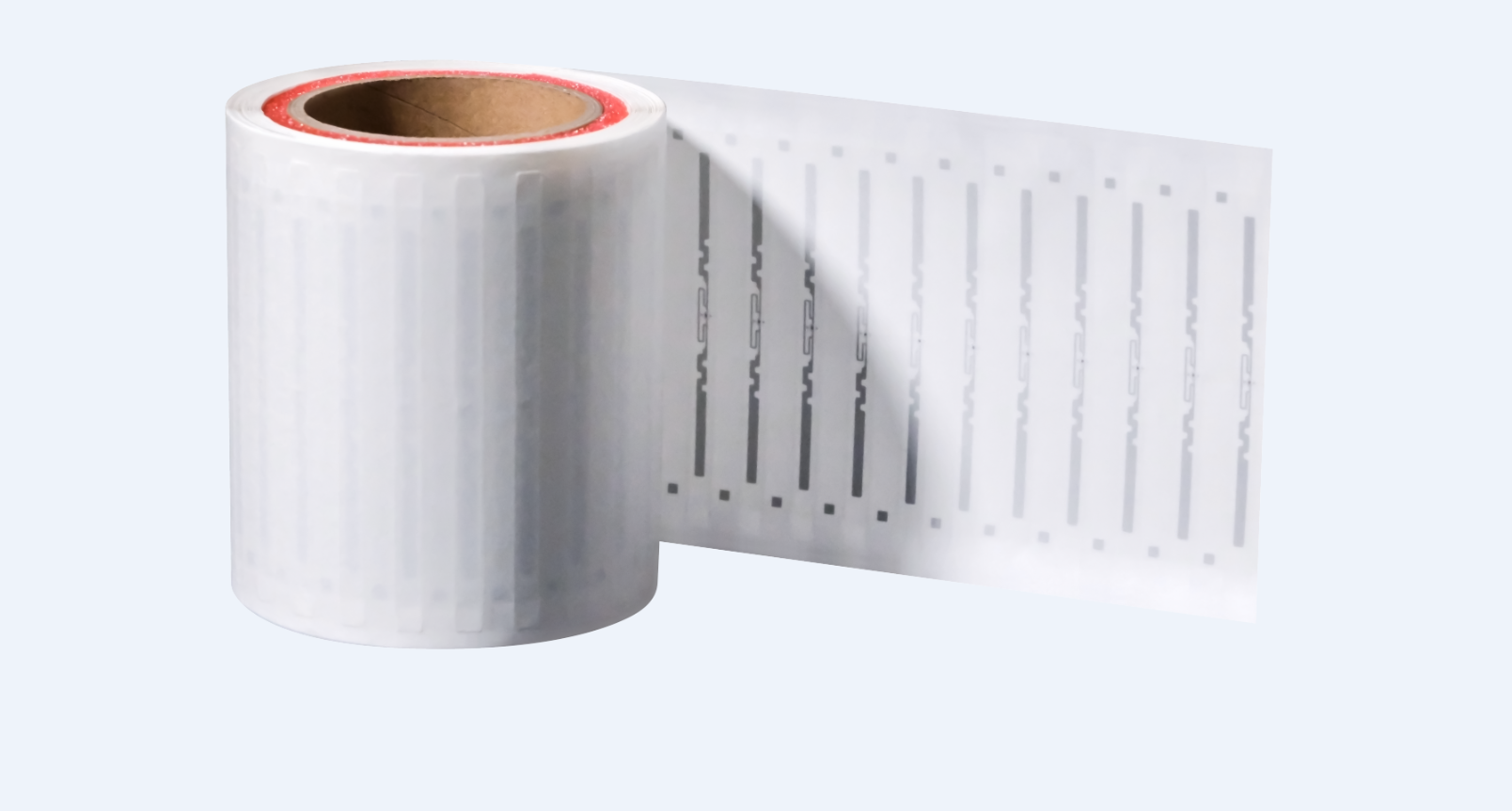
RFID tags on workpieces and tooling generate a continuous stream of location and status events, but turning that raw stream into something a production scheduler can actually use requires a deliberate translation layer. The gap is not about missing data; it is about the mismatch between event-level granularity and schedule-level intent. A tag read at a workstation says “this item is here now,” while a schedule asks “will this order finish on time given current queue depths and machine availability?” Bridging that gap means aggregating RFID observations into rolling estimates of actual cycle times, buffer occupancy, and dwell-time outliers, then feeding those estimates back into the scheduling model as updated constraints rather than as after-the-fact reports.
A practical approach is to treat the RFID stream as a live witness to schedule deviations, not as the source of truth for the schedule itself. For example, when tag reads show that a high-priority part has been sitting in a buffer for twice its planned dwell time, the bridge logic can flag that specific schedule line as at risk and prompt a re-sequencing candidate. This closes the loop without forcing schedulers to stare at tag-level dashboards. The key is to design the aggregation intervals around the scheduling horizon—minutes for short-interval control, hours for daily plan stability—so that RFID data arrives in a form the scheduler already understands.
Once the translation layer is in place, the gap between RFID and production schedules becomes a feedback channel rather than a disconnect. Operators still rely on the schedule for direction, but now that schedule quietly absorbs what actually happened on the floor. A work order that fell behind because a fixture was not ready shows up as a delayed successor, not as an unexplained variance discovered at the end of the shift. Over time, the accumulated RFID-derived parameters—handling times, queueing behavior, unexpected stops—can tune the scheduling engine itself, making the bridge not just a connector but a continuous improvement mechanism.
Tackling Tag Interference in Metal-Heavy Manufacturing Environments
When you drop an RFID tag onto a steel rack or mount it near a CNC machine, the metal doesn't just sit there—it actively scrambles the signal. The tag's antenna detunes, the read range collapses, and sometimes the chip won't power up at all. In a busy fabrication floor, this isn't a rare edge case; it's the baseline condition. The usual fix of sticking a foam spacer behind the tag works for a while, but then a forklift grazes it or a coolant spray seeps in. So the first real step is choosing tags built with a ferrite backing or a dedicated ground plane, not just generic labels that happen to survive on plastic bins.
Beyond the tag itself, the placement logic has to shift. Metal surfaces act like mirrors, creating ghost reads from reflections off I-beams or sheet stock. A reader mounted at the end of a conveyor line might pick up a tag three stations back because the signal bounced off a stainless panel. One practical approach is to angle antennas downward and shield their back lobes, so the energy goes where you actually need it instead of spraying across the whole bay. Testing in the real environment—not a clean lab bench—also matters, because a tag that reads fine at one meter in open air can go deaf at twenty centimeters when it's tucked against an aluminum die-cast housing.
Finally, tune the reader settings instead of treating every zone the same. Lowering transmit power sounds counterintuitive, but it often cuts down on stray reflections that create duplicate or phantom reads. Adding a short pause between inventory rounds gives tags a moment to recover from the metal-induced detuning. In a high-bay warehouse full of steel coils, the difference between a system that screams errors and one that quietly logs every movement often comes down to those small, unglamorous adjustments made during a walkthrough with a handheld tester.
Building a Practical Rollout Plan Without Halting Daily Operations
A practical rollout plan starts by mapping the smallest meaningful slice of the change that can be delivered without disrupting existing workflows. Instead of a big-bang switchover, identify a low-risk pilot group or a single department where the new process can run in parallel with the old one for a short period. This side-by-side approach lets teams spot friction points early while the daily rhythm of work continues undisturbed. Keep the pilot window tight—typically two to three weeks—and equip that group with a direct feedback channel so issues are caught before they spread.
Once the pilot succeeds, scale the rollout in stages that mirror your operational structure: by team, shift, region, or customer segment. For each stage, define a clear completion marker and a pause-and-assess checkpoint. During the pause, compare real-world performance against the baseline from the pilot, and adjust the plan only where concrete evidence demands it. This steady cadence prevents the common mistake of rolling out faster than the organization can absorb, which otherwise leads to workarounds and silent productivity leaks.
Communicate in short, specific bursts tied to the rollout stages rather than a single overwhelming announcement. Send a weekly update that covers what changes this week, which teams are affected, and where to get help if something breaks. Pair this with a lightweight runbook that outlines fallback procedures, so any team can revert to the old way within minutes if an unexpected failure occurs. This safety net is what allows daily operations to continue confidently while the new system gradually becomes the default.
Training Teams to Trust RFID Reads Over Manual Counts
Getting a seasoned warehouse crew to believe an RFID readout over their own clipboards is rarely a technology problem—it’s a people problem. Most of these teams have spent years counting by hand, and they’ve learned to trust the physical act of touching a case or scanning a barcode one at a time. When an RFID gun claims three hundred items passed through the dock door in ninety seconds, the first instinct is suspicion: missed tags, double reads, ghost reads. Training has to start there, by naming that skepticism as reasonable instead of treating it as resistance to be crushed.
A practical way to build trust is to run a parallel counting period. Let the team keep their manual process for a defined window—say two weeks—while the RFID system records the same movements independently. At the end of each shift, compare the two sets of numbers side by side. Usually the manual count will show more variance, especially on high-volume SKUs or late-shift hours when fatigue kicks in. Don’t hide the RFID misses either; if a tag failed to read because it was shielded by a metal rack, show that in the comparison and explain what was adjusted. Trust grows when the tool admits its limits and the team sees the gap narrowing.
The final shift happens when experienced counters become the people who calibrate the RFID process rather than the ones double-checking every read. Invite them to flag suspicious counts, walk the floor with a handheld reader to trace a stray tag, or help set up read zones in tricky corners. Their knowledge of the physical space is exactly what makes RFID more reliable, not less. Once that role changes, the question stops being 'Is the RFID count right?' and turns into 'What do we do with this faster, clearer picture?' That’s when the training has actually done its job.
Measuring ROI Beyond Inventory Accuracy Alone
Inventory accuracy often becomes the default metric because it is easy to track and comforting to report. Yet a near-perfect count says little about whether stock is sitting in the right warehouse, whether replenishment cycles are synced with actual demand, or whether the capital tied up in inventory could be working harder elsewhere. Real ROI has to account for how that accuracy translates into faster order turnaround, fewer split shipments, lower carrying costs, and less time spent on manual reconciliation.
A more useful lens is to trace how inventory decisions affect cash flow and customer experience. Two operations can both claim 98% accuracy, but one might be overstocked on slow-moving SKUs while the other turns inventory twice as fast at half the storage expense. Measuring ROI beyond accuracy means linking stock position to revenue velocity, margin leakage from markdowns, and the cost of expediting missing items. Those numbers reveal whether the system is genuinely healthy or just tidy on paper.
The shift requires moving from a snapshot mindset to a flow mindset. Instead of asking whether the count is right, ask how quickly an item moves from receiving to a shipped order and what that speed contributes to profit. That reframing surfaces waste that accuracy alone conceals, such as obsolete buffers, duplicated safety stock, or warehouse layouts that force extra handling. Only then does ROI become a tool for improvement rather than a pat on the back.
FAQ
Many worry about upfront hardware and tag costs, but the larger blocker is usually uncertainty around read reliability near metal racks and liquids. A phased pilot in one receiving or shipping zone often uncovers tuning needs before wide rollout.
That it works like magic once tags are placed. Real gains come from adjusting antenna placement, tag orientation, and power levels per zone. Without that tuning, missed reads and duplicate counts persist.
Instead of manual cycle counts or barcode scanning at a few points, RFID gates and handheld readers capture movements automatically. This continuous reconciliation lets the ERP reflect actual bin-level quantities far more often.
Receiving docks, finished goods staging, and shipping lanes usually show quick wins because they already have defined chokepoints. Tagging at receiving and verifying at outbound catches errors before they reach customers.
Durable tags can be attached to bins, pallets, and reusable containers. Because RFID does not require line-of-sight, it is much easier to locate these assets in stacked storage or trailers than with barcodes.
The hardware is only one part. Middleware must filter duplicate reads, map tag IDs to SKU or asset records, and push clean events to the MES/ERP. Without a clear data handoff plan, systems get flooded with noisy events.
It depends on tag price versus labor savings. For very cheap fasteners, tagging each item rarely makes sense. Many plants tag containers or bins instead, so the system tracks the container location and quantity at that level.
Specialized on-metal tags, spacing guidelines, and lower frequency or UHF settings help. Running a site survey before full deployment is critical because racking, machinery, and liquids change RF behavior.
Conclusion
Most warehouse tracking systems built around barcodes and manual cycle counts fail in manufacturing because inventory moves constantly across workstations, buffers, and quality holds. A pallet tagged at receiving can disappear from the system the moment it enters a production cell, leaving planners guessing about WIP levels. RFID changes that by capturing reads automatically at doorways, conveyors, and staging lanes, but the real value comes from connecting those reads to production schedules. A tag event should update not just location, but also the status of a work order, trigger replenishment, or flag a delay before it hits the line. In metal-heavy environments, this is harder than it sounds. Standard tags reflect off steel or get detuned near machinery, so you need on-metal tags, careful antenna placement, and sometimes lower power settings to get reliable reads without drowning in stray signals. Ignoring this physical reality leads to missed tags and another round of manual checks.
Rolling out RFID should not mean shutting down a plant for a weekend. A better approach is to run the system in shadow mode alongside existing processes for a few weeks, validate read accuracy on a pilot line, then expand area by area. Operators who have counted parts by hand for years won't trust a new technology overnight, so show them the read logs, let them see exceptions being caught, and phase out manual counts only when the RFID data proves itself shift after shift. Finally, measuring success requires looking past inventory accuracy. Track labor hours saved on cycle counts, fewer line stoppages from missing components, improved schedule adherence, and even reduced scrap from using older material first. When those numbers improve, the ROI argument becomes obvious to both operations and finance, not just the warehouse team.
Contact Us
Contact Person: Esme Mo
Email: [email protected]
Tel/WhatsApp: 0086 191 2931 7837
Website: https://www.osrfidglobal.com/