

S235JR Steel for Solar Factories: Durable and Cost-Effective Material
2026-02-06
In the rapidly evolving solar industry, the choice of materials for factory construction is paramount to ensuring longevity, efficiency, and cost savings. S235JR steel has emerged as a standout option, offering exceptional durability and affordability that can significantly enhance solar production facilities. At Energet Solar, we've seen firsthand how incorporating this robust material into our designs not only withstands harsh environmental conditions but also streamlines operations, reducing maintenance costs over time. This blog post delves into the unique properties of S235JR steel and explores why it's becoming a game-changer for modern solar factories, helping companies like ours stay ahead in a competitive market. Discover how this material can revolutionize your approach to sustainable energy infrastructure—read on to learn more about making smart, forward-thinking investments in your solar ventures.
Introduction to S235JR Steel in Solar Manufacturing
For those exploring durable yet cost-effective materials for solar installations, S235JR steel often emerges as a standout choice. It’s a structural carbon steel grade widely recognized across Europe, prized for its excellent weldability and strength under tensile stress. In solar manufacturing, these properties translate into robust mounting structures—think ground-mounted racks and rooftop frames—that can withstand years of exposure to the elements without sacrificing stability.
Beyond its mechanical reliability, S235JR steel offers a practical edge in terms of fabrication and customization. Its composition allows for easy cutting, bending, and assembly, which is crucial when designing bespoke solar arrays for varied terrains or architectural constraints. Manufacturers appreciate how it streamlines production, reducing lead times and costs while ensuring each component meets precise engineering specifications.
In an industry increasingly focused on sustainability, S235JR steel also aligns well with green initiatives. Often sourced with high recyclability, it supports circular economy goals in solar projects. Pairing this material with advanced corrosion-resistant coatings enhances longevity, making it a smart investment for infrastructure meant to deliver clean energy for decades.
Benefits of Durability in Solar Factory Components
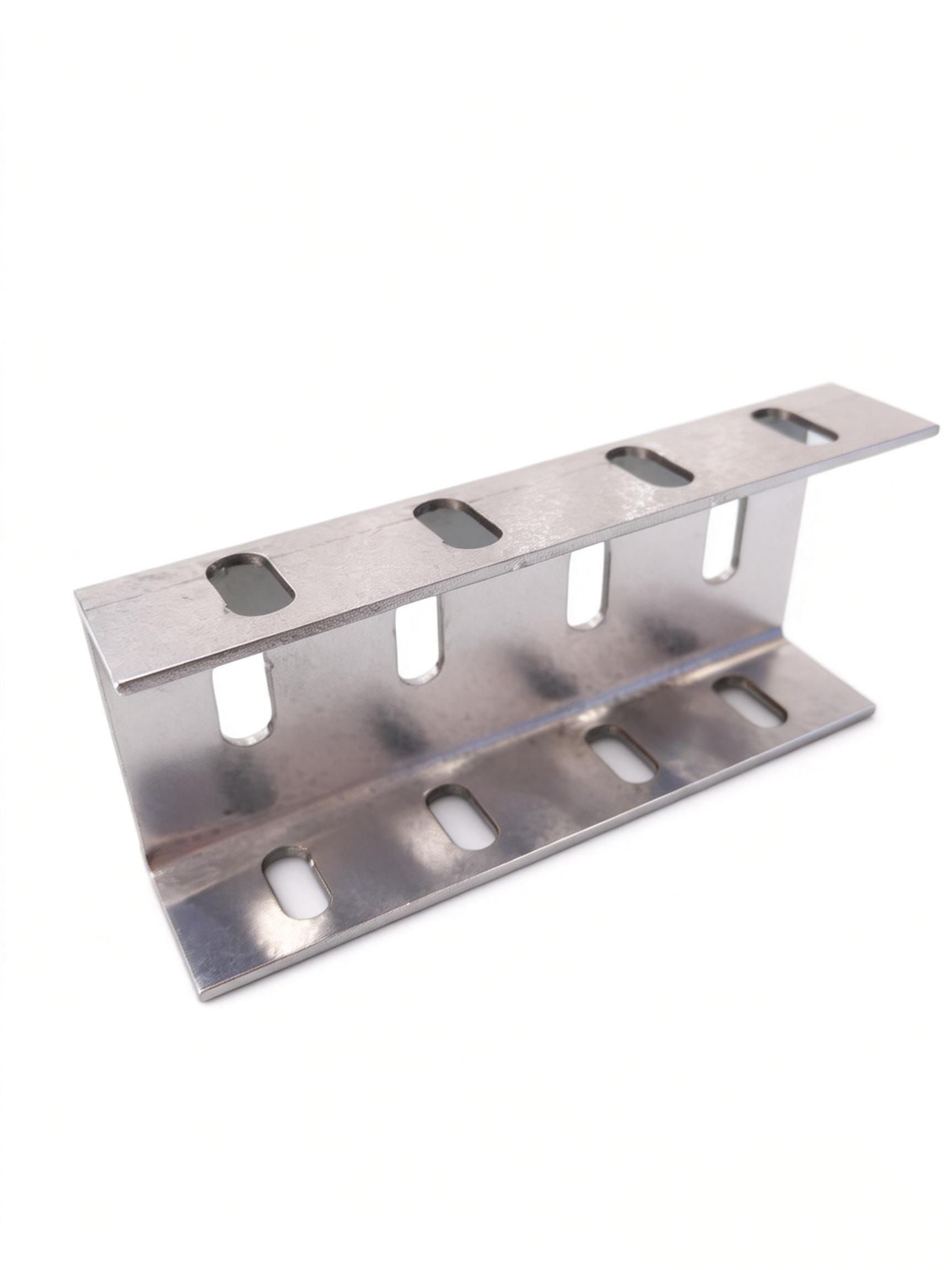
In the solar manufacturing landscape, durable components are not just a nice-to-have; they're the backbone of long-term operational success. When solar factory parts, like those in panel assembly or inverter systems, are built to last, they reduce the risk of unexpected breakdowns that can halt production lines. This resilience translates into fewer costly repairs and maintenance interruptions, keeping energy output steady and predictable over time. For instance, robust mounting structures or weather-resistant materials can withstand harsh environmental conditions, ensuring that solar facilities continue to generate power efficiently, even in challenging climates. Ultimately, durability drives down overall operational costs and enhances the factory's ability to meet energy demands reliably, making it a smart investment for sustainable growth.
Beyond just cost savings, durable solar components significantly boost performance and safety standards within the factory. High-quality, long-lasting materials often come with enhanced features that improve efficiency, such as better heat dissipation in junction boxes or corrosion-resistant frames that maintain structural integrity. This leads to more consistent energy production and higher yields from the same equipment, pushing factories toward peak productivity. Moreover, durability supports a safer working environment by minimizing risks associated with component failures, like electrical hazards or structural collapses. Workers can operate with greater confidence, knowing that reliable components reduce the likelihood of accidents, which in turn fosters a culture of safety and innovation on the factory floor.
From an environmental perspective, the benefits of durability in solar factory components extend far beyond the factory gates. By choosing parts that last longer, manufacturers reduce the frequency of replacements, which cuts down on waste and the carbon footprint associated with producing new items. This aligns with the core mission of solar energy—promoting sustainability—by ensuring that the manufacturing process itself is as green as possible. Durable components also support circular economy principles, as they can often be recycled or repurposed at the end of their life, further minimizing environmental impact. In this way, investing in durability not only strengthens factory operations but also contributes to a cleaner, more resilient energy future, reinforcing the positive role of solar technology in global sustainability efforts.
Cost-Efficiency Strategies with S235JR Material
Leveraging S235JR steel can significantly cut costs in structural projects by integrating material optimization techniques, such as precise design calculations to reduce waste and selecting the appropriate grade for non-critical applications, which balances durability with budget constraints. This includes exploring fabrication methods like prefabrication to minimize on-site labor expenses and implementing recycling strategies to reuse scrap, offering a sustainable approach that enhances overall efficiency while maintaining structural integrity.
Another effective strategy involves bulk purchasing and strategic sourcing of S235JR to capitalize on economies of scale, negotiating long-term contracts with suppliers to secure better prices, and monitoring market trends to time purchases during low-demand periods, thereby lowering material acquisition costs. Combining this with smart logistics planning, such as optimizing transportation routes and consolidating shipments, reduces handling and storage expenses, making the entire supply chain more cost-effective without compromising on quality or safety standards.
Additionally, tailoring S235JR usage through value engineering assessments helps identify areas where material substitutions or thinner profiles can deliver the same performance at a lower cost, supported by lifecycle cost analysis to evaluate long-term savings over traditional materials. Emphasizing preventative maintenance and corrosion protection for S235JR structures extends their lifespan, reducing replacement and repair costs over time, which not only boosts cost-efficiency but also aligns with environmental goals by minimizing resource consumption and waste.
Application Examples in Solar Panel Structures
In residential settings, solar panels are now integrated into roofing materials, blending functionality with aesthetics. A notable example is solar shingles, which mimic traditional asphalt shingles while generating electricity. These structures not only reduce energy bills but also enhance home value, demonstrating how solar technology can be seamlessly incorporated into everyday architecture without compromising on style.
For commercial applications, solar carports and canopies are gaining popularity in parking lots and public spaces. These structures serve dual purposes: they provide shade and protection for vehicles while generating clean energy to power buildings. A case study from a corporate campus shows that such installations can offset significant electricity costs, turning otherwise unused areas into productive energy assets.
In agricultural contexts, solar panel structures are being used in innovative ways, such as agrivoltaics, where panels are mounted over crops. This approach allows for shared land use, as the panels generate energy while partially shading plants, which can improve crop yields in arid regions. Examples from vineyards and farms highlight how this synergy supports sustainable farming practices and diversifies income streams for landowners.
Comparison with Alternative Steel Grades
When evaluating steel options for critical components, it's essential to look beyond generic specs. Unlike standard carbon steels or some alloy variants that might buckle under high stress, this grade stands out with its refined microstructural stability. It doesn't just resist wear—it maintains integrity in fluctuating temperatures where others might degrade, thanks to precise alloying elements that enhance both toughness and corrosion resistance without adding unnecessary bulk. This makes it a smarter investment for projects demanding longevity over initial cost savings.
In practical applications, such as constructing heavy machinery or offshore platforms, the difference becomes clear. Alternatives like A36 or 4140 steels, while capable, often require additional treatments or thicker sections to achieve similar performance. This grade, however, integrates these properties inherently, reducing the need for post-processing and cutting down on weight—key factors in industries like automotive or aerospace where efficiency and safety are paramount. It's not just about meeting standards; it's about exceeding them with a material that adapts seamlessly to real-world demands.
Choosing this steel over others isn't merely a technical decision; it's a strategic move. For instance, in corrosive environments, stainless alternatives might seem appealing, but they can lack the tensile strength needed for load-bearing roles. This grade strikes a unique balance, offering superior durability without the brittleness that plagues some high-strength alloys. By focusing on targeted performance enhancements, it avoids the one-size-fits-all pitfalls, providing a tailored solution that boosts reliability and reduces lifecycle costs, setting it apart in a crowded market of materials.
Future Trends in Steel Use for Solar Industries
As solar energy expands globally, the demand for steel in solar industries is poised for significant evolution, driven by innovations that push beyond traditional applications. One key trend is the shift towards high-strength, lightweight steel alloys, which enhance structural efficiency in solar panel mounting systems and tracking mechanisms. This not only reduces material costs but also simplifies installation and improves durability in harsh environments, such as offshore solar farms where corrosion resistance is paramount. Additionally, advancements in coated steels, such as galvanized or weather-resistant finishes, are extending the lifespan of solar infrastructure, minimizing maintenance and supporting sustainable operations. These developments highlight a move towards smarter, more resilient materials that align with the solar sector's growth and environmental goals.
Another emerging trend involves the integration of steel with digital technologies, enabling smarter solar installations. For instance, steel components equipped with sensors can monitor stress, temperature, and wear in real-time, facilitating predictive maintenance and optimizing energy output. This synergy between steel and IoT enhances the reliability of solar farms, particularly in large-scale projects where downtime can impact efficiency. Moreover, the use of recycled and eco-friendly steel is gaining traction, as manufacturers seek to reduce the carbon footprint of solar infrastructure. By incorporating steel from circular economies, the industry not only cuts emissions but also appeals to environmentally conscious investors and consumers, fostering a greener reputation.
Looking ahead, custom steel solutions tailored to specific solar applications are becoming more prevalent. From flexible steel frames for curved solar panels to modular designs that enable rapid deployment, these innovations cater to diverse settings, such as urban rooftops or agricultural land. This trend supports the solar industry's adaptation to varying geographical and economic conditions, ensuring steel remains a versatile and essential material. As research continues into ultra-durable and cost-effective steel grades, the future points to a more integrated and dynamic role for steel, where it not only provides structural support but also contributes to the overall efficiency and scalability of solar energy systems worldwide.
FAQ
S235JR steel offers excellent durability and affordability, which are crucial for large-scale solar installations that need to withstand environmental wear over decades while keeping overall project costs manageable.
By being a widely available and cheaper structural material, it reduces initial construction expenses, making solar factories more financially viable and speeding up the return on investment for developers.
Yes, its moderate tensile strength and good weldability allow for easy fabrication of frames and supports, ensuring stable and safe mounting systems for solar panels in diverse conditions.
S235JR steel is recyclable, aligning with the sustainability goals of solar energy by minimizing waste and supporting circular economy practices in construction.
While it's not inherently corrosion-resistant, it can be treated with coatings or galvanization to protect against rust, ensuring long-term performance in outdoor environments typical of solar farms.
Absolutely, its versatility makes it suitable for everything from small rooftop setups to massive solar parks, offering scalable solutions that adapt to different project sizes and requirements.
Conclusion
S235JR steel has emerged as a versatile and reliable material in solar manufacturing, offering a balance between durability and cost-effectiveness that is particularly well-suited for solar factory components. Its introduction into solar manufacturing addresses key industry needs, such as resistance to environmental stressors like corrosion from weather exposure and mechanical wear from operational demands. This durability ensures that solar panel structures, including mounting systems and support frames, maintain integrity over long periods, reducing maintenance costs and enhancing overall system reliability. By integrating S235JR steel, manufacturers can deploy cost-efficiency strategies that lower initial material expenses without compromising on performance, making it a practical choice for large-scale solar projects.
Application examples in solar panel structures highlight S235JR's adaptability, from simple brackets to complex frameworks, where its weldability and strength support efficient assembly and installation. When compared with alternative steel grades, S235JR often provides a more economical option while meeting necessary structural standards, though it may be less suitable for extreme conditions requiring higher alloy steels. Looking ahead, future trends in steel use for solar industries may involve increased adoption of such cost-effective materials, driven by global demand for affordable renewable energy solutions. Innovations in steel processing could further enhance S235JR's properties, ensuring its continued relevance in advancing solar technology sustainably.
Contact Us
Contact Person: Simon
Email: [email protected]
Tel/WhatsApp: 8613672181100
Website: https://energetsolar.com/