

Tissue Converting Line Manufacturer: Key Factors to Evaluate Before Choosing Your Production Partner
2026-10-14
Selecting a tissue converting line manufacturer isn't about finding a machine; it's about finding a long-term production partner. The wrong choice leads to downtime, wasted material, and frustrated teams. The right choice—like DAXIN—turns your converting challenges into competitive advantages. In this post, we cut through the noise and focus on the key factors you must evaluate: engineering expertise, flexibility, after-sales service, and total cost of ownership. Ready to make an informed decision? Let's dive in.
Look Past the Spec Sheet and Ask These Engineering Questions
Spec sheets tell you what a component can do under ideal conditions, but real boards rarely behave that way. Before you commit to a part, ask the engineer sitting next to you how it handles inrush current when three of them fire up at once. Ask whether the thermal pad actually wicks heat away on a four-layer board with no vias under the die. These questions won't be answered by a PDF.
Another one: what happens to the output ripple when the input sags to 3.1V and the load steps from 100mA to 2A in under a microsecond? Most datasheets show one transient response plot at one input voltage. Push past that. Ask your signal integrity person if the package lead inductance will trash your eye diagram at 10Gbps, even if the silicon claims a clean output.
And don't forget the boring mechanical stuff. Will the connector survive 10,000 mating cycles with dust and vibration? Does the PCB footprint allow enough toe fillet for a reliable solder joint after reflow warpage? Spec sheets rarely include these failure modes, but your field returns department knows them well. Ask before you design them in.
True Customization Goes Beyond a Logo on the Frame
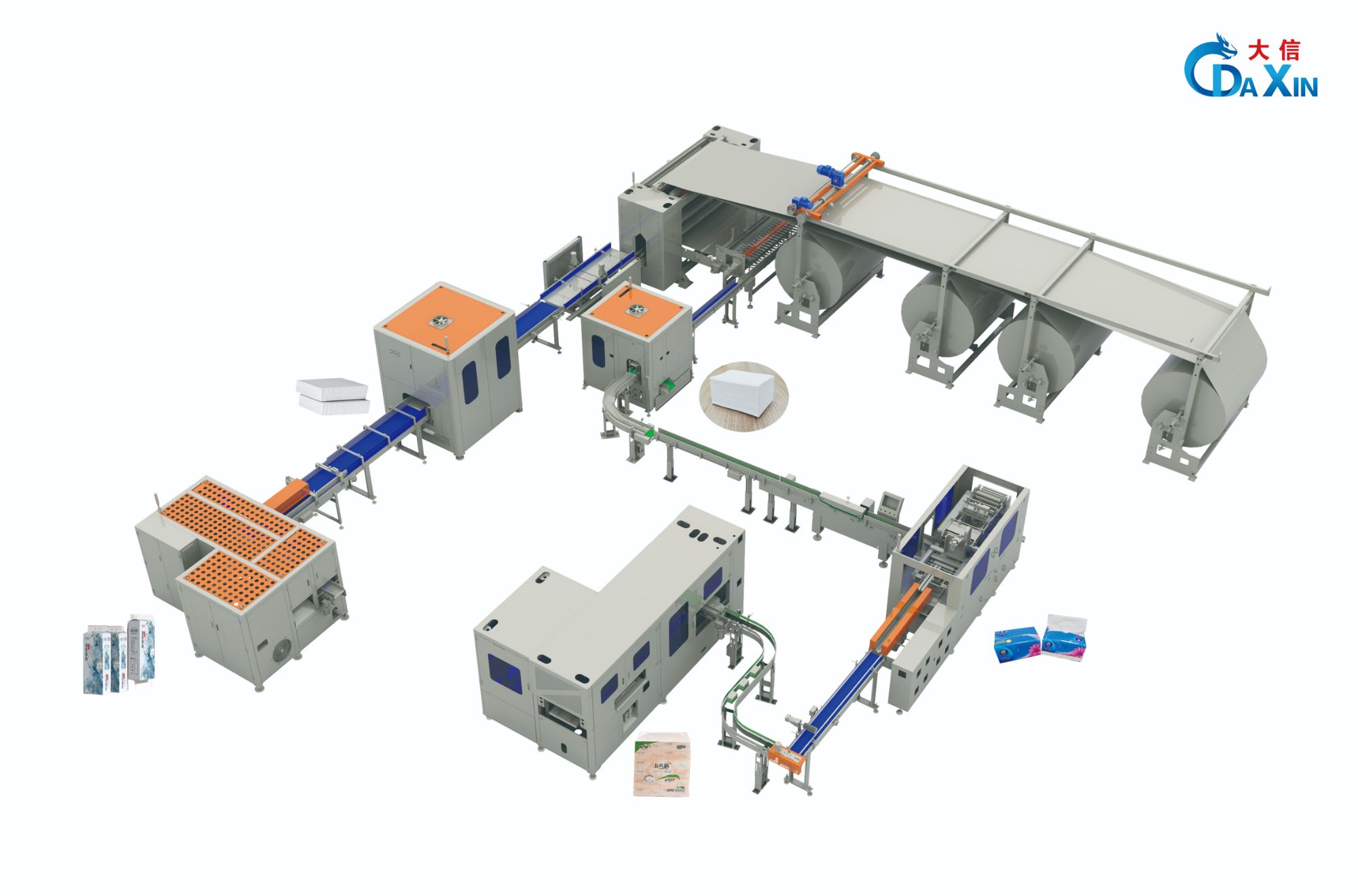
Slapping a decal on the top tube doesn't make a bike yours. Real customization starts with how the frame fits your body, not just your ego. We measure your inseam, reach, and riding style before a single tube is cut, so the geometry bends around your joints instead of forcing you into someone else's blueprint. That quiet adjustment in the saddle? That's the difference between a bike you own and one you merely bought.
Then there's the finish. A logo is just ink, but a hand-masked fade that follows the weld seams, a raw titanium section left to gather its own patina, or a custom-mixed paint that shifts from graphite to amber in direct sun—those details come from conversations, not drop-down menus. We keep a folder of rider sketches, napkin doodles, and photo references. Sometimes the best color idea comes from a faded truck door or a pair of worn leather boots. That's not a preset; that's a fingerprint.
Practical touches matter more than paint, though. Want internal cable routing that doesn't rattle on washboard gravel? We'll braze in guides sized for your exact housing. Prefer a third bottle cage under the down tube for a desert crossing? Done—with reinforcement that doesn't add a pound. These aren't options on a website. They're the small, stubborn requests you make after a hundred miles of wishing, and we build them in before the first ride.
After-Sales Support Is Where Downtime Costs Hide
The purchase price gets all the attention, but the moment a production tool goes silent or an order queue freezes, the real cost picture changes. After-sales support determines whether that failure lasts twenty minutes or two full shifts. Every unanswered ticket, every “we’ll escalate that” without a timeframe, and every reboot-and-hope fix adds labor hours, missed dispatch windows, and penalty clauses that never show up on the original invoice.
That’s why support terms deserve the same scrutiny as uptime guarantees. Ask how severity levels map to actual response commitments, whether the support team can see your configuration history before you start explaining it, and what happens when a critical issue carries past midnight. A vendor that hesitates on those questions is likely pricing their contract low enough to make the downtime someone else’s problem.
Smart buyers treat after-sales support as the hidden line item it really is. A cheap agreement with slow diagnostics quietly converts a five-minute sensor fault into a three-day contract dispute. Paying more for a support team that knows your stack and stocks common replacement parts can be the difference between a minor blip and a full stop on the plant floor.
Mixing Old and New Lines Creates Integration Headaches
When a company adds a fresh product lineup alongside its established offerings, the real challenge often hides in the back office. Older inventory systems, pricing models, and even warranty databases were never built to talk to newer platforms. What starts as a simple catalog update quickly turns into weeks of manual data mapping, spreadsheet juggling, and midnight calls with IT to keep both sides from crashing.
The friction isn't just technical. Sales teams get confused about which SKU belongs to which generation, customers receive mixed messages about compatibility, and support staff struggle to answer questions about legacy parts versus new ones. Every handoff between old and new creates a small pause, a moment of doubt that slows down the whole order pipeline.
In many cases, the cleanest fix is to stop forcing a single system to handle everything. Separate staging areas, clear naming conventions, and phased migration plans let old and new coexist without constant friction. But until leadership accepts that integration is a design problem rather than a temporary headache, expect every new launch to reopen old wounds.
Verify Material Quality Without Relying on Manufacturer Claims
A material's story is often told by its own weight, texture, and response to simple stress. Pick up the sample and let your fingers do the reading: does it flex with a confident snap or bend with a sluggish, plasticky give? Run a thumbnail across the surface and watch how it recovers, because high-grade alloys and dense polymers tend to erase shallow scratches within seconds, while cheaper blends hold the mark like a confession. Drop a small piece onto a hard floor and listen carefully; a clear, almost bell-like ring usually signals a tighter internal structure than a dull thud.
Heat and moisture expose what marketing brochures quietly hide. Warm the material in your hand or under a lamp for a few minutes and note whether the surface becomes tacky, warps, or releases any unfamiliar odor. Submerge a sample in warm water for an hour, then dry it thoroughly and check for swelling, discoloration, or a change in rigidity. Genuine high-performance materials tend to accept these everyday stresses without drama, while imitations often reveal themselves through softening edges or a subtle film that wipes away.
Finally, compare the sample against a known reference you already trust. Place them side by side under natural light and scan for differences in grain, gloss, or edge crispness. Use a sharp blade to shave a tiny sliver from an inconspicuous corner; consistent, clean shavings usually point to a homogeneous composition, whereas ragged or powdery bits suggest fillers or recycled content that the label never mentioned. When the material behaves exactly like what you've used before, trust that evidence over any certificate or claim.
Communication Red Flags That Predict Delivery Delays
When a supplier starts hedging on timelines, that's usually the first crack in the dam. You'll notice phrases like "we're aiming for the end of the week" turn into "we're doing our best" without any concrete date attached. Specific questions about milestones get deflected with vague reassurances like "don't worry, it's under control," yet no evidence of progress is shared. Another telling sign is when the point of contact suddenly changes—say, from a project manager to someone in sales—or when emails that used to be answered within hours now sit for days. These subtle shifts in responsiveness and specificity aren't just personality quirks; they're often the earliest indicators that a deadline is about to slip.
Beyond the obvious silence, look for a pattern of over-promising after missed checkpoints. You might hear "we'll make up the time in the next phase" without any plan for how that can realistically happen. Or the vendor starts asking about scope changes, floating ideas to trim features or adjust requirements—not because it benefits you, but because they're trying to squeeze the project into a shrinking window. Another red flag is when communication shifts from proactive updates to reactive responses: they stop sending status reports and only reply when you chase them, and even then, the answers are dotted with excuses about "unforeseen challenges" that somehow never get detailed. These aren't isolated incidents; they form a pattern that seasoned buyers learn to read.
The most dangerous red flag is when a supplier goes quiet right after a problem becomes visible. Maybe a key component was delayed in transit, or a test failed, and suddenly your contact is "in meetings all day" or "out of the office." Silence during a crisis is a form of communication—it tells you they're scrambling and don't have good news to share. Pay attention to how they handle bad news. Do they own it immediately with a revised plan, or do they wait for you to discover it? Vendors who are confident in their ability to recover will reach out before you even notice a slip; those who are already behind will avoid the conversation altogether. Trust that instinct when something feels off in the tone or cadence of updates.
FAQ
Look beyond basic machine specs. A dependable partner will be open about past installations, provide detailed line layouts, and show you how their equipment handles real-world variations in parent roll quality, not just ideal conditions.
Ask for a video tour of a recent installation with the customer present. Pay attention to frame rigidity, roll balancing, and whether the manufacturer uses standard industrial components that are easy to source locally. If they hesitate, treat that as a signal.
Downtime costs far more than the difference between quotes. Check response times, spare part availability, and whether they train your operators on-site. A low upfront price with slow service will hurt production for years.
No two tissue producers have the same product mix. Whether you run kitchen towels, facial tissue, or napkins, the manufacturer should adapt unwind stands, folding units, and embossing sections to your local market needs instead of forcing a one-size-fits-all machine.
Request production data from at least three reference customers running similar products. Compare their actual output, waste rates, and changeover times, not just the maximum speed printed in brochures.
Beyond the machine price, factor in freight, foundation work, electrical and air connections, initial spare parts, and the learning curve for your crew. A transparent manufacturer will give you a full cost breakdown before signing.
Very important. A line built for soft, low-basis-weight facial tissue will not perform the same for heavy, high-bulk kitchen rolls. Ask for specific examples with grades similar to yours, including runnability and finished roll appearance.
Focus on ease of use for your current workforce. A modern line should offer quick recipe changes, automatic tension control, and diagnostics that do not require an engineer on standby. Ask for a demonstration on a live panel or simulator.
Conclusion
Choosing a tissue converting line manufacturer involves more than comparing horsepower or speed. Start by pressing suppliers on engineering details that spec sheets rarely reveal: how do they handle web tension at high speeds, what tolerances do they hold on embossing rollers, and can they walk you through a recent retrofit? One converter discovered too late that a vendor's quick-change anilox system required two extra operators, erasing the promised efficiency. True customization also means the machine fits your crew and plant layout, not just your logo on the frame. Ask whether roll diameters, splice mechanisms, and control interfaces can be modified before the build is locked. Similarly, verify material quality yourself. Request cut samples of side frames, check weld consistency, and ask which foundries supply their castings. Some manufacturers use thin gauge steel in non-visible areas to cut costs; you'll only notice after vibration starts loosening bolts.
After-sales support is another hidden cost center. A cheap line that sits idle for three days waiting on a technician costs more than a premium line with local service stock. Ask for a written response-time guarantee and the location of spare parts depots. If you are mixing new and old equipment, expect integration headaches unless the manufacturer has a controls engineer who understands legacy protocols, not just their own PLC platform. One plant spent four months reconciling a new unwind stand with an older log saw because the vendor refused to share interface documentation. Finally, watch for communication red flags before signing: vague answers about lead times, shifting project managers, or reluctance to provide reference customers in your region often predict late deliveries. A good partner will offer a detailed milestone schedule and regular video walkthroughs during assembly. These factors matter more than any glossy brochure.
Contact Us
Contact Person: Sam Xie
Email: [email protected]
Tel/WhatsApp: 86-18938538530
Website: https://www.daxin321.com/