

Top 10 Boiler Suit Picks for Ultimate Workwear Style
2026-07-26
Boiler suits have shed their greasy reputation and emerged as the ultimate fusion of rugged utility and modern cool. From job sites to coffee runs, the right one-piece can elevate your look while keeping you ready for anything. To save you the hassle, we’ve sifted through countless options to bring you our top 10 favorites. And for those who demand nothing but the best, DROTEX delivers craftsmanship that speaks for itself. Ready to overhaul your wardrobe? Let’s jump in.
Why the Boiler Suit Is the Unsung Hero of Workwear Fashion
The boiler suit might not be the first garment that comes to mind when you think of high fashion, but its quiet influence is woven into the fabric of modern style. Originally designed as protective gear for laborers, this one-piece wonder has slipped seamlessly into everyday wardrobes, offering a blend of practicality and effortless cool that few other pieces can match. Its utilitarian roots give it an authenticity that resonates with those who value function over fleeting trends, yet its clean lines and versatile silhouette have made it a favorite among designers and street-style icons alike.
What sets the boiler suit apart is its ability to transcend categories. It’s a uniform, a statement, and a blank canvas all at once. Wear it on a lazy Sunday with sneakers, and it feels like a sartorial cheat code—put-together without trying. Belted and paired with heels, it transforms into evening attire that turns heads for all the right reasons. This chameleon-like quality is rare in fashion, where most items are pigeonholed into one niche. The boiler suit refuses to be boxed in, and that adaptability is precisely why it deserves more recognition.
Perhaps the boiler suit’s most underrated strength is the way it democratizes style. It doesn’t demand a certain body type, age, or gender; it simply hangs there, waiting to be claimed by anyone who appreciates its quiet confidence. In a world saturated with fast-changing micro-trends, the boiler suit stands as a testament to longevity. It’s not loud or logo-laden, but it speaks volumes to those who understand that true style is about ease and self-expression, not flash. That’s the secret it has been keeping all along—and it’s time we gave it the spotlight it deserves.
From Factory Floor to Street Style: The Evolution of the Boiler Suit
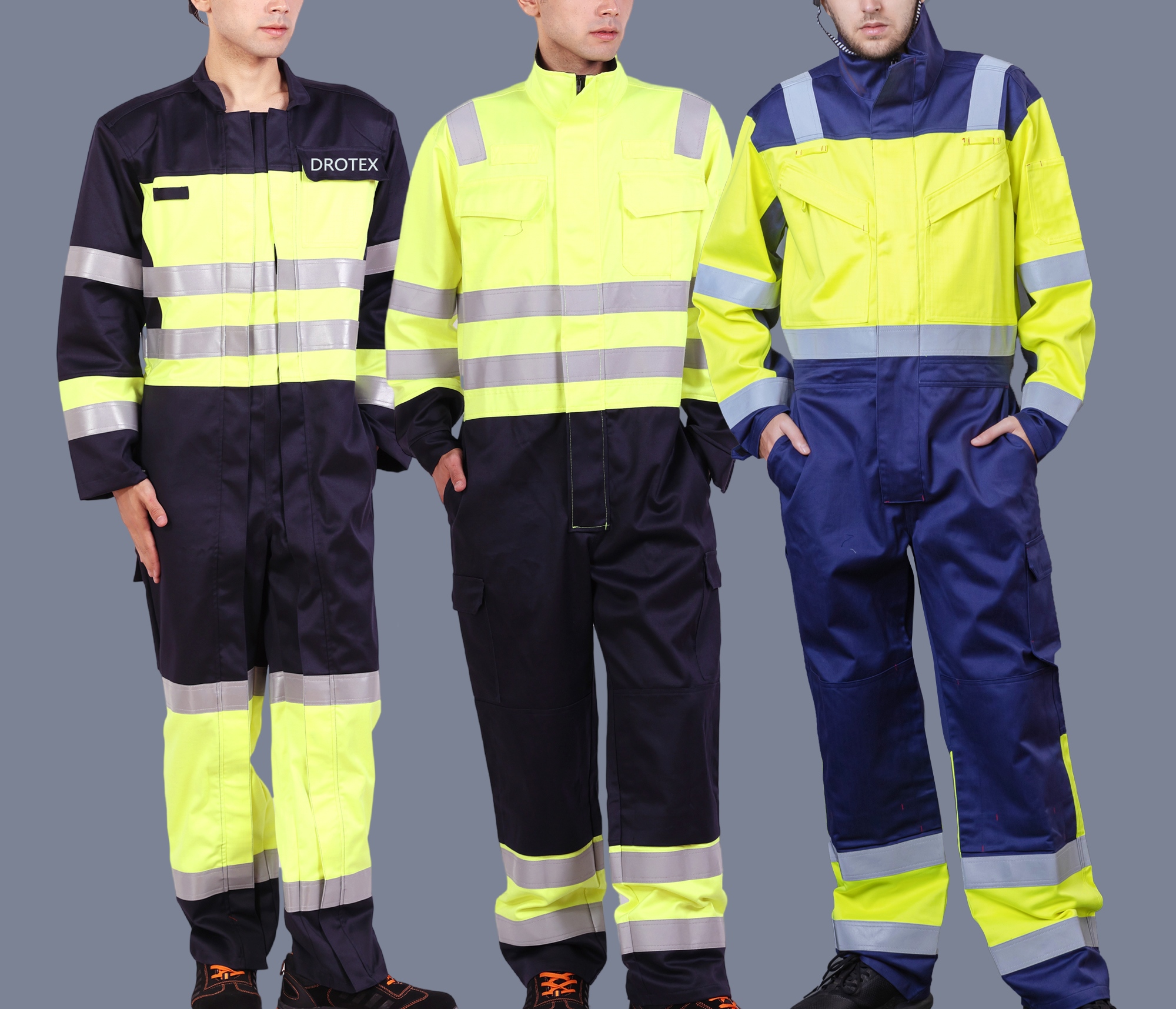
The boiler suit’s journey from a purely utilitarian garment to a fashion staple is a testament to its timeless design and adaptability. Originally created in the early 20th century for laborers stoking coal-fired boilers, its one-piece construction was prized for its durability and full-body protection. Made from heavy cotton or denim, it shielded workers from grime and heat, featuring multiple pockets for tools and a loose fit for ease of movement. This no-nonsense design remained largely confined to factories and workshops for decades, seen merely as workwear rather than anything remotely stylish.
The shift began subtly in the late 20th century, as subcultures and artists co-opted the boiler suit for its utilitarian chic and countercultural edge. Musicians and performers, from David Bowie to the punk rock scene, embraced its androgynous silhouette and unpolished vibe. By the 1990s, it had crept onto fashion runways, reimagined by designers who elevated the garment with luxurious fabrics, tapered cuts, and unexpected details. No longer just for mechanics and painters, the boiler suit became a blank canvas for self-expression, blurring the lines between high fashion and streetwear.
Today, the boiler suit is a certified wardrobe hero, celebrated for its effortless, one-and-done appeal. Contemporary iterations range from crisp cotton versions for a minimalist aesthetic to bold, patterned styles that turn heads. Street style regulars pair it with sneakers and a crossbody bag, while others dress it up with heels and statement jewelry. Its evolution mirrors a broader cultural shift towards practicality-meets-personality dressing, proving that even the humblest garments can ascend to iconic status when they resonate with the spirit of the times.
The Perfect Fit: Finding a Boiler Suit That Works as Hard as You Do
A boiler suit that fits just right isn’t just about looking sharp—it’s about moving without restriction, bending without fabric bunching in all the wrong places, and feeling like a second skin through long shifts. Off-the-rack options often miss the mark, with sleeves too short or a waist that rides up the moment you reach overhead. The perfect fit means the shoulders align precisely, the torso length allows you to sit, crouch, and twist, and the leg cuffs don’t drag or catch. It’s a balance that turns a standard uniform into gear you forget you’re wearing, leaving your focus completely on the task.
Finding that ideal cut involves looking beyond size labels and paying attention to the details that matter when you’re in motion. Reinforced knees that stay put when you kneel, a gusseted crotch that won’t split under pressure, and a back panel that doesn’t pull tight across the shoulders—these aren’t luxuries, they’re necessities. The fabric plays its part too: a hint of stretch paired with rugged durability means you get give-and-take where you need it most. Every seam should work with your body, not against it, so the suit feels just as natural at the start of the day as it does after hours of relentless activity.
Beyond pure mechanics, the right boiler suit adapts to how you work. Ample pocket placement that doesn’t bulge when loaded, adjustable cuffs that seal out debris without choking your wrists, and a zipper that glides one-handed—these quiet innovations separate a forgettable garment from one that truly pulls its weight. When the fit is dialed in, you stop adjusting, tugging, or cursing under your breath. The suit simply does its job, holding up against grime and grind while letting you move with the ease that hard work demands. That’s when a boiler suit stops being just clothing and starts being an ally.
Fabric First: Cotton, Canvas, or Blend? Choose Your Armor
There’s a quiet confidence in knowing your clothes can handle whatever the day throws at you. Cotton is that old friend—soft, breathable, and forgiving—perfect for easygoing afternoons or layering under a jacket when the breeze picks up. But don’t mistake its gentleness for weakness; a densely woven cotton can take a surprising amount of scuff before showing fatigue. It’s the baseline armour for everyday life, the one that whispers comfort over confrontation.
Canvas, on the other hand, makes no apologies. It stands stiff at first, almost defiant, but wears down into a personal map of creases and fades that tell your story. This is the fabric you reach for when the day insists on grit—think dawn chores, dusty trails, or simply wanting to feel invincible in a mechanical world. It doesn’t just endure; it grows stronger, shaping itself around your movements until it feels like a second skin, one that’s seen a few battles and won most of them.
Then there’s the blend, the wildcard. A well-engineered cotton-polyester or cotton-elastane mix takes the best of both worlds—cotton’s breathability softened by synthetic resilience—and adds a dose of practicality that purists sometimes overlook. It shrugs off wrinkles, dries faster after a sudden downpour, and stretches just enough when you’re reaching for something on a high shelf. If you’re constantly on the move and hate feeling fragile in your own clothes, a good blend might be the clever choice that keeps you one step ahead.
Color and Pattern Play: Breaking Out of the Basic Blues
Navy and sky blue have long been the safety net of wardrobes and interiors, but leaning too heavily on these hues can leave a look feeling predictable. Introducing unexpected color companions—think mustard yellow, coral, or even a rich emerald green—instantly shifts the mood. A cobalt blazer over a saffron top, or teal cushions against a terracotta sofa, breaks the monotony without abandoning the calming essence blue provides. The trick is to let blue anchor the palette while letting brighter accents steal the spotlight.
Pattern is where the real rebellion happens. Stripes, florals, and geometric prints don't have to clash if balanced with a unifying color thread. Try pairing a delicate blue polka dot with a bold abstract motif in shared tones, or layer a chambray shirt under a vividly patterned jacket. Mixing scales—like a large paisley with a fine check—adds depth without chaos. Stepping beyond basic blues isn’t about erasing the shade; it’s about giving it a playful, dynamic edge that feels fresh and personal.
Accessory Alchemy: Belts, Boots, and Beyond to Elevate Your Look
Accessories often play the unsung heroes in an outfit, and belts and boots are two of the most transformative pieces you can own. A well-chosen belt does more than hold up your trousers—it defines your waist, adds structure, and injects personality into even the simplest ensemble. Swap a thin leather belt for a chunky chain style, and suddenly a basic dress feels edgy and modern. Meanwhile, boots ground a look with confidence: ankle boots sharpen cropped jeans, while knee-highs lend a sleek silhouette to midi skirts. These pieces work an alchemy that shifts proportions and attitude without effort.
Moving beyond the obvious, the magic lies in how you pair these staples with less expected items. Tuck a silky blouse into high-waisted trousers and cinch it with a corset belt to create an hourglass shape that feels both current and timeless. For a softer contrast, try a braided leather belt over a flowing maxi dress—it breaks up the fabric and adds a tactile dimension. Boots, too, gain new life when styled against type: chunky combat boots with a flirty slip dress, or sleek stiletto boots peeking out from wide-leg wool trousers. The push-and-pull between rugged and refined is where your look truly comes alive.
The real alchemy, however, happens when you experiment with color, texture, and unexpected details. A pair of cherry-red boots can electrify an otherwise neutral palette, while a belt with ornate metalwork or a pop of animal print draws the eye and anchors the entire outfit. Don’t be afraid to mix materials—patent leather boots with a suede belt, or a matte leather belt with glossy calf-hair boots. Layering a slim belt over a long cardigan or blazer adds instant polish, and rolling jeans to just above ankle-boot height creates an intentional, street-style feel. By treating belts and boots as the focal points rather than afterthoughts, you turn the everyday into something entirely your own.
FAQ
A boiler suit combines durability and practicality with a sleek, all-in-one silhouette that easily transitions from job site to street style. The roomy fit allows layering underneath, while sturdy fabrics like cotton twill or denim hold up to heavy use yet look sharp with the right accessories.
Focus on the shoulder and chest measurements first since they're hard to alter, then use the brand's size chart to match your waist and inseam. Look for styles with adjustable waist tabs or a belted back—they give you more control over the silhouette and avoid that boxy look.
Yes, lightweight, breathable materials like garment-dyed cotton poplin or linen-blend boiler suits are your best bet. Opt for short-sleeve versions or roll up the sleeves and legs; lighter colors also reflect heat, and unzipping the front a bit improves airflow.
Swap the work boots for leather loafers or heeled ankle boots and add a structured jacket or a blazer over the shoulders. Cinching the waist with a statement belt and adding a silk scarf or bold jewelry instantly elevates the utilitarian look into evening territory.
Wash it inside out in cold water to preserve color and minimize wear on zippers and buttons. Air dry when possible to prevent shrinkage, and if you must use a dryer, keep it on low heat. For deep creases, a steam iron works wonders without damaging the fabric.
For taller figures, look for brands that offer long inseam lengths or unhemmed cuffs. Shorter individuals should seek cropped or petite cuts, or simply have the sleeves and legs tailored. Vertical details like a full-zip front or pinstripes can also create a lengthening effect.
Check the hardware—metal zippers, reinforced snaps, and bar-tacked stress points signal durability. The stitching should be even and tight, especially around pockets and the crotch. Fabric weight matters too; anything under 7 oz. is likely too thin for real work.
Conclusion
The boiler suit has quietly earned its place as a workwear staple that refuses to stay in the shadows. Once confined to factory floors and mechanic bays, this one-piece wonder has undergone a remarkable transformation, slipping into everyday wardrobes with a blend of grit and grace. Its appeal lies in the way it marries utility with an understated cool—no other garment so effortlessly blends tough-as-nails practicality with a silhouette that street style has eagerly adopted. The boiler suit’s journey from protective gear to fashion statement is a story of adaptation; designers and wearers alike have discovered that its clean, uninterrupted lines offer a canvas for expression while maintaining honest, functional roots. This unsung hero doesn’t just hide in the background—it proudly carries the marks of labor into a polished, modern context, proving that true style often comes from the most unexpected places.
Unlocking the full potential of a boiler suit means paying attention to the details that turn a simple coverall into a signature look. Fit is everything: a well-cut suit follows your movement without being slouchy, structured enough to command respect but never restrictive. Fabric choice becomes a personal armor—sturdy canvas for heavy-duty days, breathable cotton for warmer shifts, or clever blends that resist wrinkles and wear. Breaking free from navy blues and charcoal grays opens up a world of color and pattern, from muted olive to subtle ticking stripes, letting personality seep into even the most rugged outfit. Finally, the right accessories act like alchemy: a cinched leather belt defines the waist, sturdy boots ground the silhouette, and a bandana or watch can inject just the right amount of flair. The curated top picks capture all these elements, offering boiler suits that work as hard as you do while never compromising on style.
Contact Us
Contact Person: Sandy
Email: [email protected]
Tel/WhatsApp: 86150 8310 5120
Website: https://www.frdrotex.com