
Top Cold-Rolled Steel Plate Wholesaler: Essential Tips for Sourcing Success
2026-05-13
Sourcing top-quality cold-rolled steel plates can make or break your manufacturing projects. Whether you're in construction, automotive, or appliance production, the right supplier streamlines your supply chain and ensures consistent quality. Partnering with an industry leader like Sanhe Steel gives you access to premium materials and expert guidance. In this post, we're sharing essential tips to help you navigate the sourcing process and secure the best deals from top wholesalers.
Unmasking Supplier Claims: How to Validate Steel Quality Before You Commit
Steel suppliers love to throw around terms like "premium grade" and "certified quality," but without concrete evidence, those labels mean little. Before you sign a contract or wire a deposit, demand physical documentation: mill test reports (MTRs), third-party inspection certificates, and traceability records that map the steel back to the original heat number. If a supplier hesitates to share these—or offers only scanned copies with no verifiable digital signatures—treat it as a red flag.
Even when paperwork checks out, a visual spot check can reveal inconsistencies that numbers might hide. Look for uniform surface finish, consistent edge quality, and the absence of lamination cracks or pitting. Simple tools like portable hardness testers or XRF analyzers can help you gauge alloy composition on the spot. Many counterfeit shipments get caught right at the receiving dock simply because someone took the time to unband a bundle and examine a few bars closely.
For high-stakes projects, build a sampling protocol directly into your purchase order. Specify that random samples will be sent to an accredited lab for tensile, impact, and chemical analysis before full acceptance. Pair that with a clear clause about non-conformance—spelling out who pays for return freight and downtime if the steel fails testing. Suppliers who flinch at these terms are often those who know their material won’t stand up to scrutiny.
The Delivery Dilemma: Logistics Strategies That Keep Your Production on Track
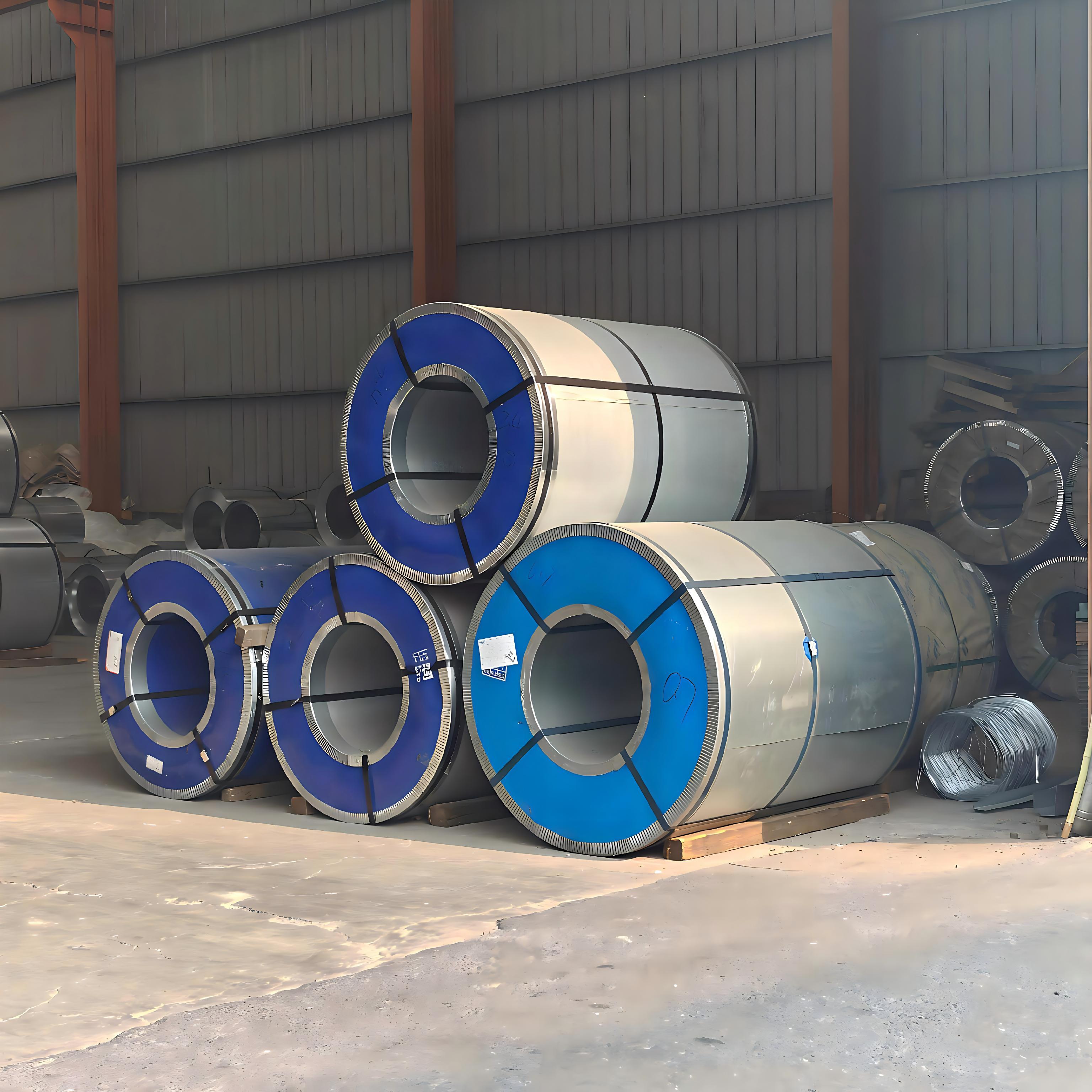
Every production manager has felt that cold knot in the stomach when a critical component is stuck somewhere between a warehouse and the assembly line. The delivery dilemma isn't just about late shipments—it's the ripple effect that halts entire shifts, disappoints customers, and burns through cash reserves. We've learned through trial and error that logistics resilience starts with mapping your entire supply chain, not just the obvious links. Identify every handoff point, from raw material suppliers to last-mile couriers, and then pressure-test them with “what-if” scenarios. What if a port closes for three days? What if your sole trucking partner faces a strike? Having pre-vetted backup routes and secondary suppliers creates muscle memory for your team, so they aren't scrambling when the real crisis hits.
But mapping is only half the battle. The real art lies in building flexible lead times into your production schedules without bloating inventory costs. One approach that works surprisingly well is segmenting your components by risk profile: for high-volume, stable items, keep just-in-time delivery but with a contractually guaranteed buffer; for niche or custom parts, negotiate smaller, more frequent deliveries so a single delay doesn't paralyze you. And don't overlook the power of simple communication upgrades—a shared digital dashboard with suppliers that shows real-time shipment ETA can prevent the frantic 3 AM calls and allow line supervisors to dynamically reassign crews when a delay is first detected, not after the line goes dark.
Ultimately, the delivery dilemma forces a mindset shift. Logistics can't be a fire-drill exercise; it has to become a strategic advantage. This means incentivizing your logistics partners to care about your uptime, not just their on-time percentage. Some manufacturers go as far as embedding their own logistics coordinators within key suppliers' shipping departments. Others invest modestly in dual-sourcing transportation—a reliable primary carrier and a premium backup that can be activated within hours. The goal isn't to eliminate every delay; that's a fantasy. The goal is to make your production line so adaptive that when the inevitable truck breaks down or customs holds a shipment, your output barely blinks. That's the difference between a business that survives supply chain chaos and one that uses it to pull ahead.
Price vs. Value: Why the Lowest Bid Could Cost You More
Chasing the cheapest option often feels like a smart financial move, but it rarely accounts for what gets sacrificed along the way. When a contractor or supplier submits a bid far below the competition, it's usually because they've cut corners somewhere — maybe using substandard materials, rushing through the work, or leaving out services you'll end up needing later. That minor flaw in craftsmanship or that thinly coated finish might not be obvious at first, but over time these compromises reveal themselves, turning what seemed like a bargain into a series of frustrating repairs.
The real cost of a low bid tends to surface long after the check has cleared. Think about the equipment that breaks down after just a couple of seasons, forcing you into unexpected replacement cycles, or the build that starts showing structural fatigue within a year. Then there’s the less visible drain: higher energy bills from poorly installed insulation, more frequent upkeep because corners were cut, and the sheer hassle of booking yet another service call. These aren't just annoyances; they steadily chip away at whatever you saved upfront, often leaving you deeper in the red than if you'd chosen a more balanced proposal from the start.
Value isn't just about what you pay — it's about what you're left with when the project is done. A higher initial investment can mean engineering designed to last, materials that age gracefully, and support that stands behind the work beyond a standard warranty window. When you prioritize that kind of longevity, even a larger upfront number can start to look like the more economical path. After all, a fair price tied to lasting quality rarely needs to be renegotiated through future breakdowns.
Forging Long-Term Partnerships: What Top Wholesalers Look For
Top wholesalers aren’t just scanning for the lowest price; they’re hunting for partners who understand that a handshake today carries weight years down the line. They look for suppliers who treat every order as a chapter in an ongoing story, not a one-off transaction. This means consistency in product quality, yes, but more importantly, a shared mindset that values resilience when markets shift unexpectedly.
What often separates a forgettable supplier from a lasting ally is how they handle the unexpected. Wholesalers remember who stepped up when a shipment was delayed or a design flaw surfaced. Clear, no-nonsense communication and a knack for solving problems without finger-pointing build a foundation that contracts alone can't guarantee. Equally compelling are suppliers who continuously refine their offerings—not through flashy promises, but through quiet improvements that make the wholesaler’s own job smoother.
Beyond the nuts and bolts of logistics, wholesalers gravitate toward collaborators who share ground-level market intelligence. A supplier that tips them off about a shifting regional preference or helps them adjust pack sizes before demand dips isn’t just selling goods; they’re safeguarding the wholesaler’s relevance. This kind of proactive partnership, rooted in mutual growth rather than transactional gain, is what transforms a sourcing contact into an indispensable connection.
Navigating Market Fluctuations: Smart Buying in a Volatile Market
Markets rarely move in a straight line, and that unpredictability often scares off even seasoned buyers. Instead of waiting for perfect timing, savvy shoppers lean into the chaos. They understand that volatility isn’t just risk—it’s an invitation to act when others hesitate. Small, strategic moves during bumps can lead to surprising long-term gains.
One effective approach is to buy in increments. Rather than committing a large sum all at once, you spread purchases across time. This smooths out the noise and reduces the emotional sting of a sudden dip. It’s a quiet discipline that keeps you in the game without overthinking every tick of the market.
Keeping a flexible mindset also matters. A narrow focus on a single asset or sector can amplify losses when turbulence hits. Diversifying across different areas—without overcomplicating things—helps cushion the ride. Ultimately, navigating these swings is less about forecasting and more about staying adaptable, calm, and ready to pick up value when it surfaces.
The Fine Print: Contract Clauses That Protect Your Investment
A solid contract goes beyond the boilerplate. Pay close attention to indemnification clauses—they determine who covers losses if things go sideways. Make sure the language covers third-party claims and doesn't cap liability so low that you're left holding the bag for someone else's mistake. Reps and warranties should be specific, not vague promises, so you have real recourse if the business isn't what was advertised.
Termination rights often get buried, but they're your escape hatch. Look for clear triggers like material breach or prolonged underperformance, and avoid clauses that let the other side cure breaches indefinitely. Also scrutinize change-of-control provisions; without them, your stake could be diluted or your exit blocked if the company is acquired or restructured. These details aren't dramatic, but they're what let you walk away with your capital intact if the deal sours.
Don't ignore the dispute resolution section. Arbitration might sound efficient, but if the venue is inconvenient or the rules favor the company, you'll face an uphill battle. Governing law matters too—Delaware and New York have deep corporate case history, while other jurisdictions introduce uncertainty. Spending an extra hour reviewing these lines can mean the difference between a minor nuisance and a total loss when disagreements arise.
FAQ
Reliability comes from consistent material quality, accurate certifications, on-time delivery, and transparent communication. A good wholesaler also provides mill test reports and maintains proper inventory levels.
Request samples for third-party lab testing. Check surface finish, dimensional tolerances, and mechanical properties. Also ask for the wholesale's quality control process and past client references.
Focus on total cost, not just per-ton price. Consider payment terms, volume discounts, delivery charges, and possible long-term contracts. Building a steady relationship often leads to better rates.
Long or unpredictable lead times can halt your production. Clarify standard turnaround times, rush order capabilities, and how the wholesaler manages unforeseen delays before you commit.
Common certifications include ISO 9001 for quality management, and product-specific ones like ASTM or EN standards. Environmental compliance like ISO 14001 can also reflect responsible sourcing.
Confirm whether they offer freight services or if you need a forwarder. Discuss packaging standards, ability to handle export documentation, and insurance coverage to avoid damages during transit.
Conclusion
Sourcing cold-rolled steel plate from a top wholesaler demands more than just comparing price lists; it requires a deep dive into quality assurance, logistical reliability, and total cost of ownership. When a supplier touts certifications, don't simply take them at face value—request third-party test reports, analyze sample batches for tensile strength and surface finish, and if possible, arrange a plant visit to see their handling and storage practices firsthand. This hands-on validation prevents downstream failures that can halt your production. Meanwhile, even the best steel is useless if it arrives late. Assess a wholesaler's distribution network, inventory buffers, and real-time tracking capabilities. A supplier with strategically located warehouses and a track record of on-time deliveries helps you avoid costly line stoppages. And while headline price grabs attention, the lowest bid often masks hidden costs: inconsistent quality leading to rework, poor packaging that results in transit damage, or a lack of value-added services like slitting or custom cutting. True sourcing success balances price with the long-term value of dependable material and support.
Beyond the transaction, top-tier wholesalers evaluate potential partners on mutual growth potential, not just order volume. They look for buyers who communicate proactively, share forecasts, and honor agreements—qualities that build the trust needed for flexible credit terms or priority allocation during supply crunches. In a market where steel prices swing on global events, raw material availability, and trade policies, smart buyers don't just accept volatility; they strategize. Work with suppliers who offer price-hedging mechanisms, index-based contracts, or bulk-buying incentives that smooth out peaks. Finally, the fine print in any agreement is your last line of defense. Scrutinize clauses covering quality discrepancies, force majeure, liability limits, and termination. Ensure that warranties are explicit about standards like ASTM or EN, and that dispute resolution pathways are clear. By embedding these safeguards, you not only secure a steady supply of prime cold-rolled steel but also forge a partnership that can weather market storms and drive your competitive edge. This holistic approach separates lasting procurement success from mere order placement.
Contact Us
Contact Person: Zoey
Email: [email protected]
Tel/WhatsApp: +86 15865577002
Website: https://www.sanhesteels.com