

Top Gasket Tape Brands in China: Which One Delivers the Best Seal?
2026-11-16
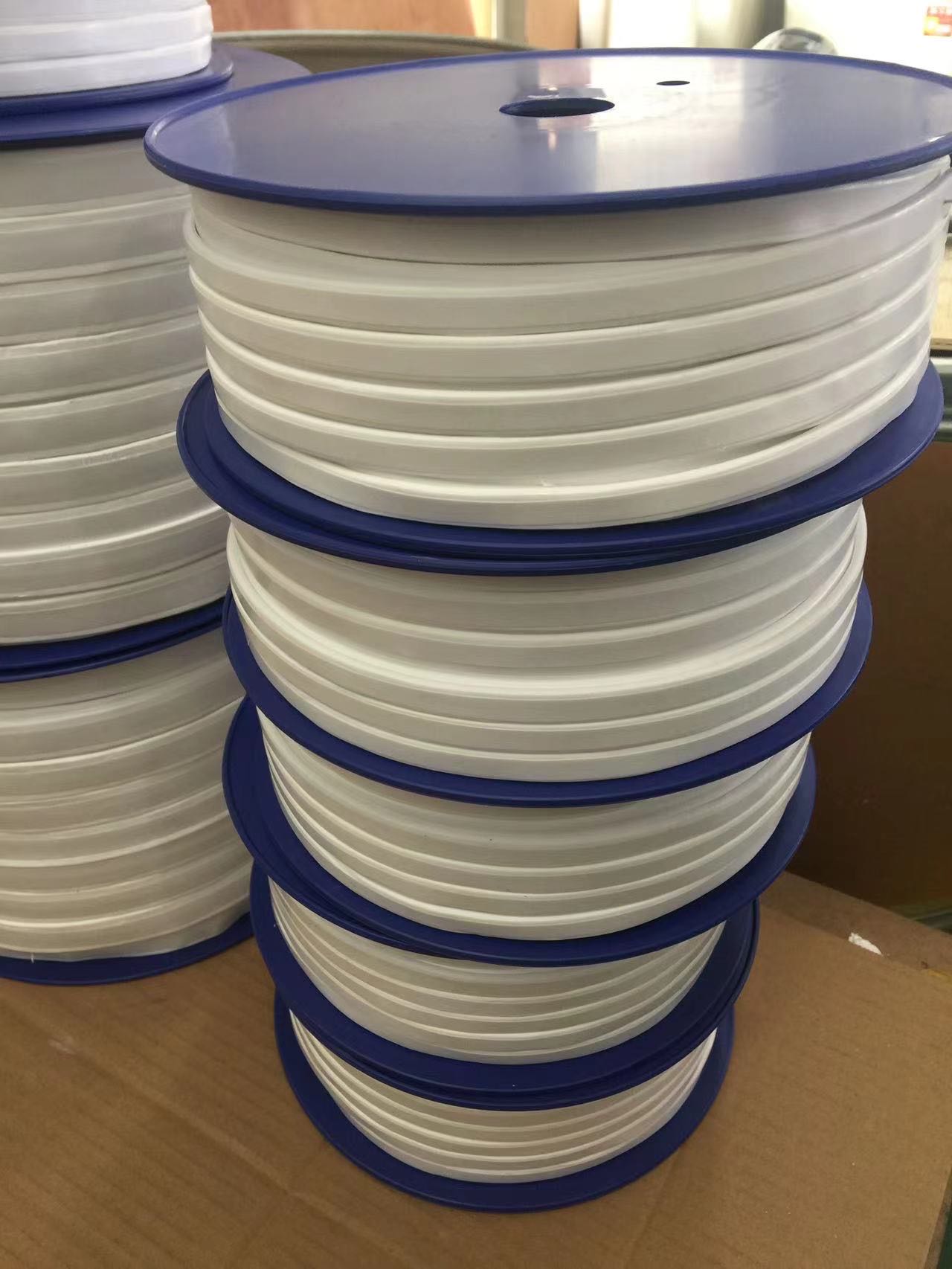
Sealing technology can make or break an industrial system—but with so many gasket tape brands flooding the Chinese market, finding one that truly holds up under pressure is tougher than it looks. Among the contenders, Kaxite has been quietly earning a reputation for reliability, sparking debate among engineers and procurement teams. In this post, we strip away the marketing hype and zoom in on what separates a trustworthy seal from a costly failure.
When the Pressure’s On: Real-World Seal Tests That Separate the Best from the Rest
Seal performance charts only tell half the story. Out in the field, a gasket might face a sudden thermal spike on an offshore rig or hold back aggressive chemicals at a chemical processing plant without warning. It’s in these unscripted moments that real-world testing becomes brutally honest, quickly separating seals that truly endure from those that merely meet a catalogue spec.
Take pressure cycling, for instance: a seal on a hydraulic cylinder may be rated for 5,000 psi, but when that pressure pulses hundreds of times a minute under high heat, micro-cracks and compression set start to show their hand. Add in aggressive media like sour gas or superheated steam, and you’ll see elastomers that seemed tough in a lab swell, shrink, or simply wash out. The best seals don’t just survive one harsh condition—they handle intersecting stresses without giving up their sealing force.
These tests aren’t about glossy datasheet numbers; they’re about exposing design assumptions to the chaos of actual service. Engineers who subject prototypes to blast furnace door movements, Arctic start-torque simulations, or thousands of rapid decompression cycles learn what fine-tuning truly matters. The result is a seal that becomes predictable under pressure—not by accident, but because it has already faced the very worst in testing and stayed tight.
Inside the Material Race: What China’s Top Brands Are Using to Outperform
If there’s a hidden edge separating China’s breakout brands from the rest, it’s often woven into the fabric itself—literally. Across the country’s most ambitious sportswear and outdoor labels, a quiet shift has taken place. Rather than chasing logo prestige or seasonal gimmicks, product teams are going deeper, treating materials as the central innovation engine. From reengineered nylon blends that mimick the handfeel of cashmere while repelling water, to ultralight, ripstop fabrics originally developed for alpine expeditions now appearing in everyday jackets, the material race isn’t about a single fiber or finish. It’s a whole ecosystem approach: mills, chemists, and designers co-developing proprietary membranes, sourcing rare mercerized cottons, or tweaking knitting densities to create gentle compression zones that improve blood flow. The brands pulling ahead treat raw material selection not as procurement, but as a core competitive skill. They’re as fluent in denier counts, fluorine-free DWR chemistry, and phase-change microcapsules as they are in silhouette trends, and that fluency shows up on the body—garments that breathe better, survive harsher conditions, and age with intention.
What’s fascinating is how this material-first approach rewires the entire design process. In many houses, a new collection starts with a concept sketch or a mood board; here, it often starts in a laboratory or a specialty mill in Jiangsu. Designers carry swatch books like sacred texts, feeling for coatings that shift stiffness with body heat, or debating the optical whiteness of a recycled polyester that won’t yellow under UV. One rapidly rising down jacket label, for instance, built its reputation by replacing standard goose fill with a hybrid construction of aerogel-infused synthetic clusters and traceable traceable yak down—making the garment functional at minus 40 degrees without the bulk. Another streetwear favorite swapped conventional polyester linings for a regenerated cupro derived from cotton linter, giving hoodies a silk-like slide that customers notice the moment they put them on. These choices aren’t marketing fodder; they’re invisible luxuries that create a physiological signature. Loyalty, then, is built through sensory memory—the way a pant’s self-faced seam feels against the ankle, or how a sweat-wicking panel stays cool during a commute but warm when still.
Under the hood of this material shift lies a brutally fast feedback loop that Western competitors often underestimate. Chinese brands leverage digitally native supply chains where a yarn trial can move from concept to prototype in under two weeks, and consumer heat maps from e-commerce platforms guide fiber adjustments season to season. If shoppers in southern provinces report that a quick-dry tee feels sticky in 95 percent humidity, the next batch might incorporate an ionically charged silver thread for antimicrobial action and a re-engineered pique knit that minimizes skin contact surface area. Such agility blurs the line between established performance giants and emerging insurgents: when the starting point is a proprietary fabric rather than a borrowed factory formula, a startup with the right mill partnership can produce outerwear that genuinely outperforms multinational counterparts on a moisture vapor transmission test or an abrasion-resistance index. The real story isn’t simply that materials are improving. It’s that material intelligence—how quickly and creatively brands translate textile science into tactile joy—has become the deciding factor in who defines the next wave of Chinese design.
The Silent Killer of Gasket Tape Performance (And How the Leaders Avoid It)
Most people blame adhesive failure when a seal gives out, but the real culprit often works invisibly—microscopic surface contamination. Even a fingerprint left during installation can create a weak point, slowly degrading bond strength under thermal cycling. The industry's top performers know that a quick wipe with the wrong solvent is just as dangerous as skipping prep entirely, because residues like plasticizers actually repel the tape's adhesive at a molecular level.
What sets leading operations apart isn't a miracle tape, but a near-obsessive protocol around surface energy. They'll verify the Dyne level of a freshly cleaned flange with a simple test pen before tape ever touches metal. That tiny extra step catches the “ghost contaminant” scenarios—like a mold release agent still lingering from manufacturing—that quietly kill bond longevity. They treat cleaning not as a chore but as a critical process variable, with designated non-linting wipes and controlled volatile organic compound use that leaves nothing behind except a truly ready surface.
The other half of the equation is storage. Gasket tape aging on a sun-baked loading dock shelf loses plasticizers and becomes brittle long before its “best by” date. Leaders enforce chilled, humidity-controlled storage and first-in-first-out rotation with the same seriousness as pharmaceutical inventory. They've learned that tape performance isn't a mystery—it's about eliminating the quiet variables that most teams overlook until a leak forces them to pay attention.
From Factory Floors to Home Workshops: Where Each Brand Truly Shines
Some brands are born in the hum of massive assembly lines, where precision and repetition breed reliability. Others take root in a cluttered garage or a spare bedroom, fueled by late nights and stubborn creativity. The factory-backed giants often dominate when it comes to consistency and scale—their tools and machines rarely surprise you with odd quirks, and replacement parts are just a phone call away. Yet the homegrown upstarts carry a spark that big facilities can’t easily replicate. A small workshop can chase a wild idea without layers of approval, turning a weekend experiment into a product that feels refreshingly alive and personal.
Walk into any trade show and you’ll see the contrast immediately. The industrial veterans set up booths that look like miniature warehouses, all polished steel and spec sheets. Meanwhile, the maker-led brands huddle in corners with prototypes that still bear the scratches of hand-testing. Their real advantage isn’t polish—it’s the story wound into every bolt and stitch. When you buy from a workshop, you’re often buying from someone who will answer your email at midnight because they genuinely want to know how their thing held up on your latest project. That direct link between builder and user creates a loyalty that no glossy catalog can buy.
Of course, the sweet spot often lies in the overlap. Some older companies have learned to keep a foot in both worlds, setting up small innovation cells that act like internal startups. A few younger ones have grown just enough to afford better materials but still ship each order with a handwritten note. Where a brand truly shines depends less on its address and more on how deeply it understands the hands that will use its work. Whether you trust the rhythm of a factory floor or the hunger of a home workshop, the best tools carry an unmistakable signature—one that feels like it was made for you, not just for a market share.
Why Thickness and Adhesion Aren’t the Whole Story in a Lasting Seal
A thick bead of sealant can feel reassuring, as if more material naturally translates into better protection. Yet in practice, bulk alone often creates a false sense of security. Overly thick applications tend to cure unevenly, with the surface skinning over while the interior remains soft. This mismatch invites cracking from thermal movement or structural settling, giving moisture an easy path through what looked like an impenetrable barrier. Without the right balance of elasticity and cure profile, added thickness simply becomes wasted material.
Adhesion, too, is frequently overrated when viewed in isolation. Sure, a sealant that clings aggressively to a substrate may pass initial pull-off tests with flying colors, but that bond is only as durable as the surface it sticks to. Chalky concrete, slightly damp wood, or a poorly prepared joint can all shed a strong adhesive layer cleanly when stress is applied. The real measure is whether the interface can flex, breathe, and resist cohesive failure over thousands of seasonal cycles — something that peel adhesion and lap shear numbers alone won't reveal.
What actually sustains a seal over decades comes down to synergy: a modulus that stretches and recovers without tearing, cure chemistry that tolerates the joint’s specific chemical environment, and application precision that leaves no hidden voids. You may never see these factors on a spec sheet compared to headline thickness or adhesive strength claims, but they quietly separate the seals that outlast the structure from the ones that become a maintenance headache.
The Brands That Warranties and Repeat Buyers Keep Pointing To
Some names just keep resurfacing in forums and comment sections when people debate reliability. It’s not about flashy ads or seasonal hype—these are the labels owners mention after five, ten, sometimes fifteen years of use. You hear stories about a washer that outlasted a marriage, or a pair of boots that crossed three continents without a single stitch giving way. The common thread is almost boring consistency, the kind that makes warranty departments yawn but inspires a quiet, stubborn loyalty among the people who actually use the stuff.
What’s striking is how little these brands lean on their own marketing to make the point. The advocacy comes organically, passed from neighbor to neighbor, parent to child. It’s the leather bag that looks better scuffed, the cast iron skillet that’s become the family’s heirloom by accident. These products accumulate stories rather than defects, and when something does go wrong—a zipper jams, a motor hums off-key—the fix is so effortless that it becomes another reason to stick around. People don’t just repurchase; they start gifting the exact same model to people they care about, turning a transaction into an endorsement with emotional weight.
The warranty itself becomes a kind of folklore. There’s always that one customer who tested it—sent back a jacket after a decade of hard wear, expecting a patched-up return, but instead got a replacement with a handwritten note. Those moments create a ripple that no ad budget can buy. It’s trust built at the micro level, confirmed again and again in call centers and repair shops, radiating outward. The brands that dominate this space don’t rush to update models annually or chase trends; they simply keep making what works and standing behind it long enough for word to travel further than any campaign ever could.
FAQ
The key is in the material composition and density. Premium PTFE-based tapes with reinforced graphite or fiberglass cores hold up best under thermal cycling, resisting creep and blowout even above 260°C. Lesser tapes soften and lose bolt load quickly.
Look at the backing liner. If it's flimsy or the adhesive is already oozing at the edges, the tape was probably stored poorly or made with cheap fillers. A consistent colour, clean cut, and smooth release liner usually point to better manufacturing controls.
Zhongde Sealing has gained steady traction among European and Southeast Asian OEMs not through aggressive marketing, but because their expanded PTFE tape handles aggressive chemicals without becoming brittle, even in flange services that normally eat through standard tapes.
Often yes. Many top-tier manufacturers run separate production lines. The export versions may have tighter thickness tolerance, adhesive-free edges, and stricter quality checks, while the local-market stock can be good but occasionally inconsistent batch to batch.
A compressible faced tape with a thick conformable layer, like the high-density PTFE ones from Langsheng Sealing, can fill surface irregularities without needing excessive bolt torque. They often outperform harder, thinner tapes that rely on a perfect surface finish.
The spec sheet rarely accounts for vibration, misalignment, or chemical concentration swings. A tape might tick the box for pH range but degrade rapidly if there's trace chlorine or cyclic pressure. The best performing brands conduct long-term immersion tests in real process fluids, not just coupon lab tests.
They typically run the numbers on total cost of ownership. Fewer leaks mean less downtime, less product loss, and fewer safety incidents. When a single unplanned shutdown costs ten times the annual gasket budget, spending extra on the right tape becomes a no-brainer.
Conclusion
When you strip away the datasheets and put these tapes under heavy flange loads, boiling coolant, and oily wipe-down cycles, the gap between ordinary and exceptional sealants becomes brutally clear. The best performers in China’s crowded gasket tape market have moved well past simple foam carriers—they’re engineering high-performance acrylic cores with closed-cell geometries that refuse to collapse under sustained pressure, while their adhesives handle surface contamination that would kill a lesser bond within hours. The silent performance killer isn’t just heat or chemical attack; it’s plasticizer migration and the slow creep that turns a tight joint into a leaker. The brands that lead here have tackled this with advanced primer chemistry and crosslinked polymers, effectively building a barrier that keeps the tape’s own softeners locked in place and out of the sealing interface. In real-world bench tests that cycle from sub-zero mornings to engine-like temperatures, their tapes keep a consistent compressive load long after budget alternatives have taken a permanent set and opened a weep path.
Yet thickness charts and peel-strength numbers only tell a fraction of the story. On a vibrating compressor housing or a weather-exposed HVAC duct, elasticity and long-term memory matter far more than how aggressively the tape sticks to your thumb on day one. That’s why the brands finding their way into repeat orders—and into warranty-backed supply chains—are often the ones that have split their portfolios intelligently. One factory-floor favorite may dominate in heavy machinery repairs where immediate pressure resistance is non-negotiable, while another shines in home workshops where clean removability and conformability to irregular gaps save the day. The names that keep surfacing in procurement logs and veteran installer kits aren’t necessarily the cheapest, but they’re the ones where the thickness, adhesive, and carrier have been tuned to a specific duty rather than blended into a one-size-fits-all compromise. In the end, the seal that delivers isn’t born from a single standout feature—it’s the quiet result of a tape that stays elastic under bolt tension, refuses to pump out of the joint over time, and earns the kind of trust that makes buyers reach for the same roll again, without even glancing at the price tag.
Contact Us
Contact Person: Kaxite
Email: [email protected]
Tel/WhatsApp: 0086-574-87527771
Website: https://www.seal-china.com