

Top Used Bulldozers for Your Next Construction Project
2026-05-16
When scoping out heavy machinery for your upcoming construction project, buying used can unlock serious value—if you know where to look. From crawlers that power through tough terrain to nimble wheel loaders, the right used bulldozer can dramatically boost efficiency on site. But with so many options out there, how do you separate the workhorses from the clunkers? In this guide, we spotlight the top used bulldozers that score high on durability, performance, and cost-effectiveness. Plus, we’ll show you how a reliable source like JILIANG CHI makes finding that perfect machine a whole lot easier. Let’s dig in.
Bulldozers That Still Get the Job Done: Pre-Owned Powerhouses
There’s something reassuring about climbing into the cab of a bulldozer that’s already spent years shaping the land. Machines from the late ’90s and early 2000s often carry a rugged simplicity that modern counterparts trade for electronics. Their steel frames and straightforward hydraulics were engineered for endurance, and plenty are still pushing dirt without complaint.
A pre-owned dozer doesn’t just save money upfront—it sidesteps the steep depreciation that hits new equipment the moment it leaves the lot. Many contractors find that a well-maintained older machine, with a few strategic upgrades like fresh undercarriage components, easily handles site prep, backfilling, and grading. The key is knowing what to look for: check for weld repairs on the blade, listen for unusual transmission whine, and don’t shy away from units with high hours if service records are clean.
Parts availability remains solid for classic models, and independent mechanics are often more familiar with their quirks than with the latest computerized systems. That means less downtime and fewer diagnostic headaches. Whether it’s clearing brush or carving out a driveway, these seasoned workhorses prove that age doesn’t weaken capability—it just adds a layer of trust.
Why Smart Contractors Bet on Used Iron
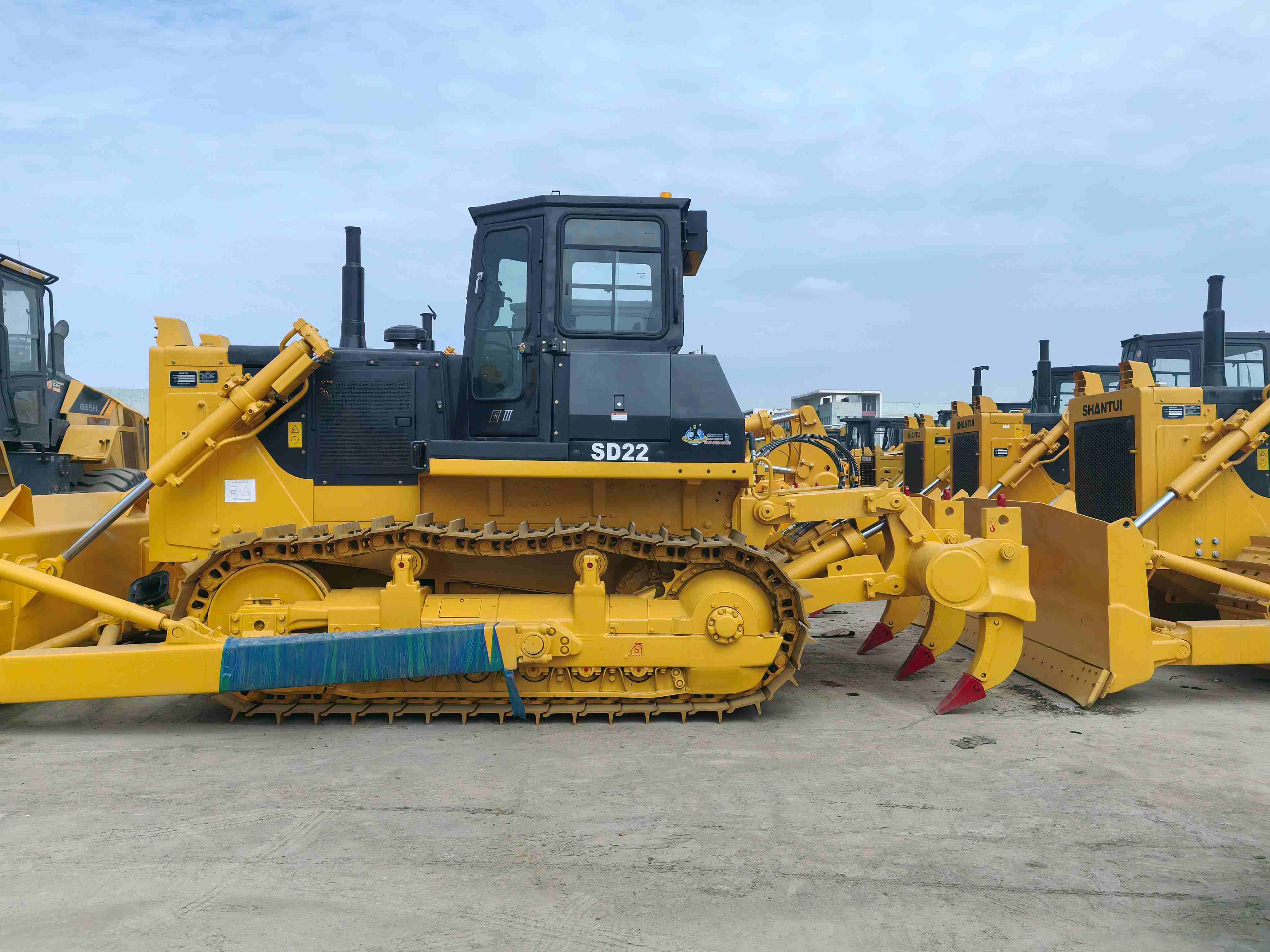
For many contractors, the decision to go with used iron isn't about cutting corners—it's about making a smarter bet on profitability. Pre-owned equipment often comes at a fraction of the cost of new machinery, freeing up capital for other critical parts of a project. When you factor in the rapid depreciation that brand-new machines suffer in their first year, buying used starts to look less like a compromise and more like a calculated advantage. Seasoned professionals know that a well-maintained older excavator or dozer can deliver the same reliability and power, provided you do your homework.
There's also a practical wisdom at play: used iron has a track record. New models might come with flashy features, but they haven't been tested in the trenches. A ten-year-old machine with a solid maintenance history tells you exactly what it can handle. Smart contractors lean on this transparency, often favoring models with proven longevity and easy parts availability. In an industry where downtime eats profits, choosing a machine that has already proven its mettle can be the edge that keeps a business ahead.
Hidden Gems: Models That Punch Above Their Price Tag
It’s easy to get caught up chasing the newest, shiniest release, assuming that a higher price tag guarantees superior performance. But dig a little deeper and you’ll uncover a handful of devices and tools that quietly defy expectations. These unassuming options often rely on clever engineering or overlooked features rather than marketing hype, delivering an experience that rivals or even surpasses their pricier counterparts—without draining your wallet.
Take the mid-range smartphone segment: brands like OnePlus and Google’s A-series repeatedly prove you don’t need to spend flagship money to get a flagship feel. Their cameras, battery life, and software polish hold their own against devices costing hundreds more. The same goes for entry-level mirrorless cameras from Fujifilm and Sony—their older bodies, combined with a sharp prime lens, produce images that easily match recent $2000+ setups in the right hands. Even in the audio world, chi-fi IEMs (in-ear monitors) have shaken up the market, offering detail and soundstage that embarrass mainstream brands quadruple their cost.
What makes these hidden gems so compelling isn’t just raw specs—it’s the satisfaction of beating the system. They remind us that smart research and a willingness to sidestep the hype train can lead to extraordinary value. Whether you’re upgrading your gear or just browsing, the lesson is simple: ignore the price, focus on what the product actually does, and you might just stumble upon your next favorite gadget.
Reading the Signs: What a Walk-Around Tells You
A slow, deliberate inspection of a vehicle often reveals far more than a quick glance at a spec sheet ever could. The way a car sits on its suspension, the consistency of panel gaps, even the faintest ripple in a door skin—all of it adds up. You’re not just looking for dents or scratches. You’re absorbing the narrative of how this machine has been treated, stored, and driven. Is the paint depth uniform? Are the tires wearing evenly? These quiet details speak volumes about care and accident history.
Open the hood and let your eyes drift past the polished engine cover. Frayed wiring, corroded battery terminals, or a splatter of old coolant around the reservoir might hint at chronic overheating or a hasty repair. Check beneath the oil cap for milky residue—a telltale sign of coolant mixing where it shouldn’t. The scent matters too; a sweet, syrupy odor could point to a leaking heater core, while the sharp tang of burnt oil suggests neglected maintenance. These sensory clues build a picture no maintenance log will ever fully disclose.
Finally, step back and study the car’s stance from ten feet away. Does it lean slightly to one side, hinting at a tired spring or a bent control arm? Crouch low and trace the unibody rails with your fingers, feeling for rough welds or seam sealer that looks too fresh. Factory finishes have a consistent, slightly textured appearance—aftermarket repairs rarely match it perfectly. By the time you slide behind the wheel, you’ll already know whether this vehicle is a cherished companion or a well-disguised headache.
Fuel Efficiency vs. Muscle: Finding the Sweet Spot
For decades, car buyers faced a stark trade-off: you could have a fuel-sipping commuter car or a tire-shredding muscle machine, but rarely both. The laws of physics seemed immutable—big displacements and high horsepower meant big fuel bills. But modern engineering has blurred that line, injecting excitement into efficient packages.
Turbocharging kicked the door open, allowing smaller engines to breathe deep and punch above their weight. Then came hybridization, where electric torque fills the gaps, giving you effortless acceleration without the thirst. Today’s sweet spot isn’t about choosing one over the other; it’s about balancing your right foot’s desires with your wallet’s limits.
The real magic happens when you stop thinking in extremes. A car that delivers 30 mpg on the highway and still pins you to the seat when the light turns green isn’t a fantasy anymore. It’s about finding that perfect match for your driving rhythm—where efficiency meets muscle, and neither feels compromised.
From Auction to Jobsite: Setting Up for Success
Winning a bid on a piece of heavy equipment is just the first step in a longer journey. The real test begins once the hammer drops and you need to move that machine from the auction yard to your jobsite. Without a clear plan, a great deal can quickly turn into a logistical headache that burns both time and budget.
Transport logistics demand attention well before you bid. Know the machine’s dimensions, weight, and any disassembly requirements. Vet haulers with experience moving similar equipment and confirm their insurance coverage. If you’re crossing state lines, check oversize load regulations and secure permits early to avoid delays at the gate.
Once the machine arrives, the setup phase matters just as much. Walk the jobsite in advance to finalize placement, considering traffic flow, underground utilities, and ground stability. Have fuel, grease, and basic spares on hand so the crew can get to work immediately. A smooth handoff from truck to task isn’t luck—it’s the result of sweating the small stuff before the keys ever turn.
FAQ
Look beyond just hours on the meter. Check undercarriage wear, service records, and if the machine spent its life in rocky or sandy conditions. A clean, low-hour unit from a rental fleet might have less structural fatigue than one from a demolition yard.
Caterpillar D6 and D8 models from the late 90s and early 2000s have a reputation for ironclad engines and transmissions. Komatsu D65s also hold their value because parts are still easy to source. You'll see these on sites where downtime costs more than the machine itself.
It depends on your soil and scope. An older Cat D9 can claw through rock but will gulp fuel and require more frequent undercarriage repairs. A newer D6 with a ripper might do 70% of the work with far lower operating cost. Match the iron to the realistic daily demands, not the peak ones.
Bring a mechanic who knows the model, or at least pull fluid samples for analysis. Metal flakes in the transmission oil or coolant in the engine oil are deal-breakers. Also, run it until it's hot—some leaks and steering issues only show up at operating temperature.
The Deere 750 and Case 2050M are around the 30-ton mark, so they move with a lowboy behind a dump truck without special permits in most states. They push plenty of dirt for residential grading or utility work but won't cripple your logistics.
They often have low hours and heavy-duty guarding, but parts support can be a headache unless you stick to common models like the Cat D7. Also, military dozers might have been idled for years, so check for dried seals and corrosion in the pivot points.
For popular iron like the Cat D5 or Komatsu D61, absolutely—winches, root ploughs, and multi-shank rippers are still in production or available through salvage yards. Less common brands force you to fabricate or hunt for years, so factor that into the purchase price.
Conclusion
Seasoned contractors know that a bulldozer doesn't have to roll off the factory floor to move mountains. Pre-owned machines—from Cat D6s to Komatsu D65s—routinely deliver the same grading precision and pushing power, often at half the upfront cost. It’s not just about saving money; it’s about trusting iron that’s already proven it can handle the grind. Too many first-time buyers get hypnotized by fresh paint and zero-hour meters, only to miss out on models that have years of life left. The real gems are the units that have been maintained religiously—maybe an ex-municipal Deere 700K or a well-kept Liebherr PR 736—that quietly outperform their price tag. When you bet on used equipment, you’re leaning into a machine’s track record, not a sales brochure.
But walking onto a lot or bidding at auction without a plan is a fast way to buy someone else’s headache. A deliberate walk-around tells you more than any maintenance log: look for slop in the blade pins, wet spots around cylinders, and uneven track wear that hints at alignment neglect. Beyond the physical, you’ve got to match the machine’s appetite to the job—sometimes a lighter, thriftier dozer that sips fuel beats a brute that drains your tank by noon. Once you’ve found the right balance, the real work begins: hauling it home, inspecting undercarriage tension, and swapping all fluids before it touches a jobsite. Treat that first setup like a fresh start, and even a decade-old dozer will push like it’s fighting for a paycheck.
Contact Us
Contact Person: Sally Xiao
Email: [email protected]
Tel/WhatsApp: 086-18221477398
Website: http://www.shjiliangchi.com/