

Wholesale Compression Socks: Top Benefits, Bulk Buying Tips, and Best Deals
2026-05-22
Looking for affordable, high-quality compression socks without cutting corners on comfort or performance? Whether you're outfitting a sports team, stocking a medical supply store, or simply tired of overpaying for single pairs, buying wholesale can be a game-changer. In this post, we'll walk you through the key benefits, smart bulk-buying strategies, and where to find the best deals—like those from Mingjun, a trusted manufacturer known for durable, custom-designed compression wear. Get ready to save big while keeping legs healthy and energized.
What Makes Compression Socks a Must-Have in Your Store Inventory
Customers aren’t just looking for socks anymore—they’re after solutions, and compression socks deliver precisely that across a surprisingly wide range of needs. From long-haul travelers desperate to avoid swollen ankles to nurses pulling twelve-hour shifts on unforgiving floors, these aren’t your average impulse buys. Once someone tries a properly graduated compression sock, they rarely go back to ordinary hosiery. Stocking them signals that your shop understands real-world discomfort and offers a practical fix, not just another generic item on the shelf.
The repeat purchase rate on quality compression wear is something few other accessories can match. A runner who discovers their recovery time shrinks noticeably will be back for a second and third pair. An office worker who finally beats the afternoon leg fatigue becomes loyal to the brand you carry. Factor in the expanding demographics—pregnant women, fitness enthusiasts, remote workers who sit all day—and you’ve got a product that prompts organic word-of-mouth and steady replenishment traffic, without you needing to constantly chase fads.
Presentation makes all the difference. Ditch the medical-looking packaging and treat these like the performance gear they are. Showcasing them with lifestyle imagery—folded neatly beside a gym bag or paired with casual sneakers—shifts the perception away from a pharmacy necessity and into a proactive wellness choice. Throw in a small sizing chart and a brief card explaining the mmHg levels in plain English, and suddenly you’re equipping customers to choose with confidence. That kind of quiet expertise turns a one-time visitor into a repeat buyer who sees your store as the go-to spot for things they didn’t even know they needed.
The Circulation Boost That Keeps Customers Coming Back for More
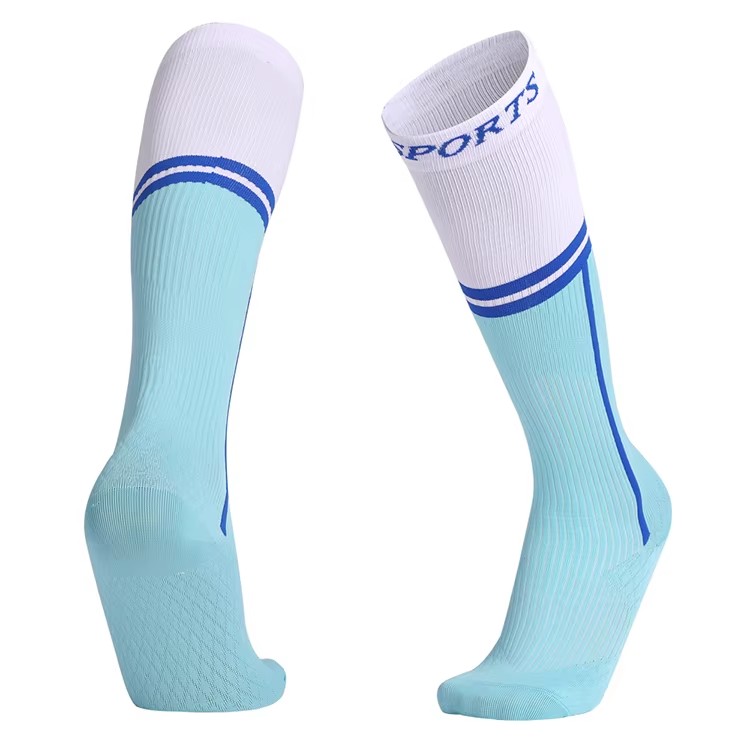
A gentle, rhythmic energy flows through the space—the kind that invites people to slow down, look around, and stay a little longer. It’s not just about moving air; it’s about creating a subtle momentum that turns a quick visit into a lingering experience. When customers step in and feel that comfortable stir, something shifts. They browse more, they discover more, and they leave with a sense that this place has something special.
What makes that circulation truly effective isn’t just the temperature or speed—it’s the way it shapes the atmosphere. A well-placed fan or a thoughtfully angled vent can turn a stagnant corner into the coziest part of the shop. The air doesn’t hit them; it wraps around, guiding their gaze and footsteps without them even noticing. That invisible current becomes the unspoken reason they walk the full perimeter, eyes catching details they’d otherwise miss.
And once they’ve had that experience, they remember it. The next time they need to grab something, they’ll find an excuse to stop in—not just for the product, but for the feeling. That circulation becomes a silent host, always welcoming, always refreshing. It’s the kind of detail that doesn’t shout for attention, but quietly turns first-time visitors into regulars who genuinely enjoy being there.
A Quick Guide to Fabric Blends and Why They Matter for Comfort
Fabric blends aren't just a manufacturing shortcut—they're a deliberate way to combine the best traits of different fibers. A pure cotton shirt feels soft but wrinkles easily and loses shape. Blend in a bit of polyester, and suddenly the fabric becomes more resilient, holds color longer, and dries faster. The magic of blending lies in balancing breathability with durability, creating clothes that feel good and keep up with your day.
Comfort isn't only about softness; it's also about how a fabric moves with you. That's where elastane (or spandex) enters the picture. Even a small percentage transforms rigid denim into jeans you can actually squat in, or turns a crisp poplin shirt into something that doesn't tug at the shoulders. Natural fibers like cotton or linen bring breathability, but a touch of stretch fiber eliminates that stiff, restrictive feeling—especially important for clothing you’ll wear for hours.
The skin's reaction to fabric can make or break an outfit. Synthetics like nylon or polyester may get a bad rap for trapping heat, but when woven with moisture-wicking wool or airy modal, they can actively pull sweat away from the body and speed up evaporation. This kind of intelligent blend shows why reading a care label isn't enough—paying attention to the fiber content gives you a real clue about how you'll feel at 3 p.m. on a warm afternoon.
How to Score the Best Wholesale Prices Without Hidden Surprises
Finding truly great wholesale deals means looking past the sticker price. The real cost often hides in unexpected fees, minimum order quantities, and shipping surcharges that vendors don't volunteer upfront. Start by requesting a full landed cost breakdown for any quote—insist on line items for duties, pallet fees, and rush charges if they apply. Savvy buyers know that the lowest per-unit price can evaporate when a supplier tacks on a steep drop-ship fee or demands a high MOQ you can't realistically move. Always compare total cost per salable unit, not the headline rate.
Build relationships with suppliers who value transparency. Instead of blasting out generic quote requests, pick three to five potential partners and have a real conversation. Ask about their typical order flow, how they handle damaged goods, and whether they offer price breaks for mixed pallets or slower shipping options. The vendors who answer clearly and without pushback are the ones less likely to hit you with surprises later. Over time, a direct line to an account manager who understands your baseline margins can lead to better terms than any online marketplace will offer.
Protect yourself by testing new suppliers with a low-stakes trial order before committing to volume. This lets you check actual product quality, packaging, and how they communicate if something goes wrong—all without tying up a chunk of your budget. When you do scale up, negotiate a contract that locks in pricing, quality specs, and a clear process for resolving disputes. The best wholesale prices come from looping back to partners who aced the test run; they're often willing to adjust terms because you've already proven you're not a one-shot buyer.
Packaging and Presentation Ideas That Make Your Bulk Order Stand Out
Forget the plain brown box—your bulk order can become a memorable brand moment from the first glance. Instead of generic packaging, consider custom-printed tissue paper or biodegradable wrapping that carries your logo subtly repeated in a pattern. A burst of unexpected color inside the box, like a vibrant interior or a ribbon in your brand shade, instantly elevates the perceived value. Small touches, such as a branded sticker sealing the tissue or a hand-stamped thank-you on the outer carton, signal care and attention to detail without shouting.
Sustainable choices don’t have to be boring; they can actually set your shipment apart. Swap out plastic fillers for shredded kraft paper embedded with dried flower petals or seeded packing peanuts that recipients can plant. Use boxes made from recycled materials but finished with a sleek, minimalist design—clean lines and a soft-touch coating can make eco-friendly feel premium. Including a simple note card that tells the story of your packaging’s origin (like “this box was once a recycled coffee cup”) adds a layer of authenticity that buyers appreciate long after the unboxing.
Make the unboxing experience interactive rather than transactional. Layer your products inside so each reveal feels deliberate: nestle smaller items in custom foam inserts shaped like honeycombs, or wrap pieces individually like gifts, tied with twine and a sprig of dried eucalyptus. Drop in a sample-sized bonus item wrapped in a mini muslin bag—it feels exclusive and encourages product discovery. Even a single business card designed to double as a coaster or a small photo card with a candid team shot can turn a routine delivery into a conversation starter. These thoughtful details create a personal connection that plain bulk shipping can’t replicate.
Building Long-Term Relationships with Suppliers Who Deliver Consistent Quality
I’ve learned that the strongest supplier partnerships don't come from chasing the lowest price or the fastest turnaround—they grow when you stop looking at suppliers as vendors and start seeing them as collaborators in your success. One thing that separates transactional relationships from true alliances is consistency. When a supplier repeatedly delivers quality without me having to double-check every shipment, it’s like they’re silently telling me, ‘We’ve got your back.’ That reliability lets me focus on what I do best, rather than scrambling to fix someone else’s mistakes.
But consistency isn’t just a happy accident; it’s something you cultivate by showing appreciation beyond the contract. I make it a point to share feedback—not just when things go wrong, but when they exceed expectations. A quick note acknowledging a flawlessly executed order or a suggestion that improves my own workflow often sparks a deeper dialogue. This shift from 'supplier' to 'long-term partner' happens when both sides feel invested in the other’s growth. It’s no longer about fulfilling an order; it’s about solving problems together.
The real differentiator, though, is how you handle the inevitable hiccups. Instead of reaching for penalties or switching providers, I lean into transparency. I ask, ‘What happened, and how can we prevent it next time?’ Often, their honest answer reveals a process gap I hadn’t considered, and soon we’re co-creating a fix that makes both our operations stronger. That shared resilience is what turns a reliable supplier into a business advantage you can’t easily replicate—and one you don’t want to lose.
FAQ
They improve blood circulation, reduce swelling, and help prevent fatigue, especially for people who stand or sit for long periods.
Bulk purchases lower the per-unit cost significantly, ensure consistent stock for customers, and often come with customization options for branding.
Always request samples to check fabric, compression level, and stitching. Look for certifications like Oeko-Tex for material safety.
Ranges from mild (15-20 mmHg) to extra firm (30-40 mmHg). Mild to moderate (20-30 mmHg) is most popular for daily wear and travel.
Blends like nylon, spandex, and moisture-wicking fibers offer durability, stretch, and comfort. Avoid pure cotton as it loses shape quickly.
It varies by supplier, but many require a minimum of 50-100 pairs. Some offer smaller test orders for new buyers.
Compare quotes from multiple suppliers, check for seasonal promotions, and negotiate for discounts on repeat orders or larger volumes.
Yes, many manufacturers offer custom logos, packaging, and even design tweaks, though it often requires a higher MOQ.
Conclusion
Stocking compression socks isn't just about checking a box in your wellness lineup—it's about offering a product that genuinely improves how your customers feel every day. The real draw lies in the subtle but real circulation support these socks deliver, easing tired legs and swelling, which makes them a repeat purchase for nurses, travelers, athletes, and desk workers alike. Once someone experiences that lifted, less-fatigued feeling, they come back for more, often in different styles and colors. To cater to this demand, pay close attention to fabric blends. A well-chosen nylon-spandex mix brings the right balance of stretch and durability, while cotton-rich options cater to those who prioritize softness. The key is providing a range that addresses various comfort preferences without compromising on the graduated compression that makes the product work. Skipping on fabric quality might save a few cents per unit, but it can cost you the repeat business that fuels steady inventory turnover.
When you move from sampling to bulk orders, the real savings come from knowing exactly what you're paying for. Transparent pricing structures should include shipping, duties, and any customization fees so there are no last-minute surprises that eat into your margins. Smart buyers look beyond the listed per-pair cost and ask about volume breaks, seasonal promotions, or even slight package adjustments that can lower unit expenses without hurting quality. Once you've locked in a good price, think about how your product arrives at your store or warehouse. Simple touches like a branded belly band, a tag that explains the medical benefits in plain language, or ready-to-hang packaging can turn a plain sock into a perceived premium item that moves faster off the shelf. These presentation choices, combined with a supplier who actually remembers your last order and cares about your shelf date, are what separate a one-time transaction from a lasting partnership. The best deals aren't just about the cheapest bid—they come from relationships where the supplier proactively suggests improvements, keeps dye lots consistent, and communicates openly when delays might happen. That kind of reliability means you spend less time putting out fires and more time building a category your customers truly depend on.
Contact Us
Contact Person: Tiga
Email: [email protected]
Tel/WhatsApp: 8613058331729
Website: https://www.china-socksfactory.com/